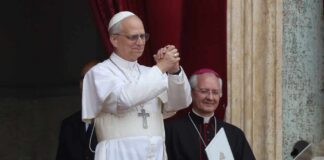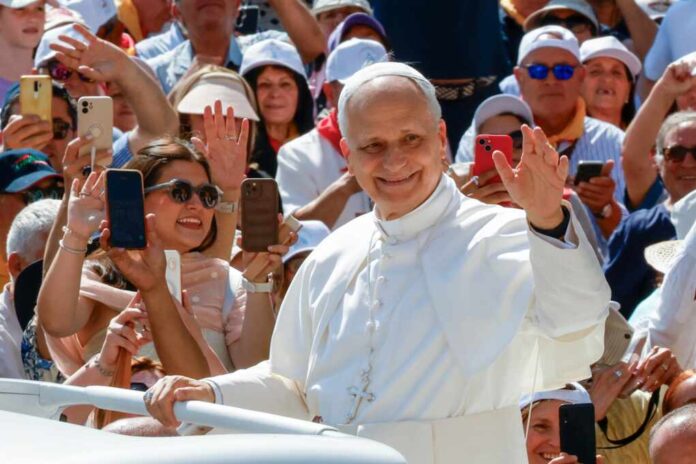
Pope Leo XIV’s inaugural apostolic journey to Turkey and Lebanon has drawn sharp criticism, signaling a dangerous continuation of Vatican globalist diplomacy. Rather than prioritizing the defense of persecuted Christians in the Middle East, the new pontiff’s six-day mission emphasizes ecumenical dialogue and a message of “harmony.” This approach, critics argue, merely offers diplomatic pleasantries to authoritarian regimes while Christian communities in volatile regions face continued threats and systematic discrimination, raising questions about the effectiveness of the Vatican’s soft power strategy.
Story Highlights
- New Pope Leo XIV embarks on first foreign trip to Turkey and Lebanon, continuing predecessor’s unfinished diplomatic agenda.
- Journey focuses on ecumenical dialogue with Orthodox Church rather than addressing persecution of Christians in volatile region.
- Visit occurs amid ongoing Middle East conflicts while Catholic communities face continued threats.
- Pope emphasizes “harmony” messaging instead of confronting Islamic extremism targeting Christian minorities.
Vatican Continues Globalist Diplomatic Tradition
Pope Leo XIV departed Rome November 27 for his first international apostolic journey as pontiff, visiting Turkey through November 30 before proceeding to Lebanon until December 2. The six-day mission represents a continuation of Pope Francis’s planned diplomatic agenda, interrupted by his death in April 2025. Leo XIV, elected in May 2025, signals his commitment to maintaining Vatican engagement with Islamic nations rather than prioritizing the protection of persecuted Christian communities across the Middle East.
The journey includes meetings with Turkish President Recep Tayyip Erdogan and Lebanese President Joseph Aoun, alongside ceremonial visits to historical sites. Pope Leo XIV emphasized aboard his flight that “it’s so important today that the message be transmitted in a way that really reveals the truth and the harmony that the world needs.” This diplomatic language prioritizes peaceful coexistence over addressing the systematic persecution of Christian minorities throughout the region.
Pope Leo heads to Turkiye, and Lebanon in first foreign trip as Catholic leader https://t.co/M0eT7EoLqt pic.twitter.com/ZyHpC7oruX
— Al Jazeera English (@AJEnglish) November 27, 2025
Ecumenical Focus Overshadows Christian Persecution
The Turkey portion centers on commemorating the 1700th anniversary of the First Council of Nicaea in Iznik, featuring joint prayers with Orthodox Patriarch Bartholomew I of Constantinople. While Vatican officials frame this as significant ecumenical dialogue, the focus on religious ceremonies diverts attention from addressing Turkey’s treatment of Christian communities and historical suppression of religious freedom. The celebration of the Feast of Andrew the Apostle represents symbolic gestures rather than substantive advocacy for Christian rights.
Lebanon’s portion includes visits to the Tomb of Saint Charbel and engagement with Catholic communities experiencing ongoing threats from regional conflicts. Gaza remains under tenuous ceasefire following Israel’s military operations, while Lebanon experienced direct conflict between Israel and Hezbollah. These realities demonstrate the precarious situation facing Christian populations throughout the Middle East, yet the papal visit emphasizes diplomatic protocols over protective measures.
Historical Pattern of Ineffective Vatican Diplomacy
This marks the fifth papal visit to Turkey since 1967, following visits by Popes Paul VI, John Paul II, Benedict XVI, and Francis in 2014. Despite decades of Vatican diplomatic engagement, Christian populations in Turkey continue declining through systematic discrimination and cultural suppression. The pattern reveals Vatican soft power diplomacy’s failure to secure meaningful protections for Christian communities in Islamic nations.
The visit establishes precedent for Pope Leo XIV’s papacy regarding international engagement and interfaith dialogue. However, conservative Christians question whether diplomatic pleasantries with authoritarian leaders advance Christian interests or merely provide legitimacy to regimes that suppress religious freedom. The Vatican’s approach prioritizes international relations over defending constitutional principles of religious liberty that American conservatives hold sacred.
Watch the report: Pope Leo arrives in Turkey on first foreign trip of papacy | BBC News
Sources:
- Pope Leo on first foreign trip says future of humanity at stake from conflict
- Heading to the Mideast, Pope Leo May Show ‘Who He Really Is’
- Pope Leo takes message of peace to Middle East on first foreign visit. Here’s what to know | CNN
- Pope Leo warns of risk from ‘piecemeal’ world war in first overseas trip
- LIVE UPDATES: Pope Leo XIV’s historic first papal trip to Turkey and Lebanon | Catholic News Agency