A 15-year-old boy was gunned down on a packed rush-hour subway train in Queens, marking the eighth homicide on New York City’s transit system this year as violent crime continues to terrorize commuters who once relied on the nation’s largest public transportation network.
Story Snapshot
- Jayjon Burnett, 15, fatally shot in the chest on a moving A train during Friday afternoon rush hour following a teen dispute that began on the street
- Suspect Keyondre Russell, 18, arrested Saturday and charged with murder and weapons possession after rapid NYPD investigation
- Eighth MTA homicide of the year and fourth in just two weeks, reflecting a disturbing surge in subway violence
- Far Rockaway-Mott Avenue station locked down for seven hours, disrupting service and leaving commuters stranded
Teen Violence Erupts on Moving Train
Jayjon Burnett was shot once in the chest around 3:47 p.m. Friday on a southbound A train approaching the Far Rockaway-Mott Avenue station in Queens. The shooting stemmed from an argument between two groups of teenagers that began on the street several stops earlier and escalated aboard the moving train. Good Samaritans dragged the critically wounded teen onto the platform as the train pulled into the station, where responding officers immediately administered CPR. He was rushed to a hospital and pronounced dead shortly thereafter, becoming the latest young victim in New York’s spiraling transit violence crisis.
Swift Arrest Follows Video Evidence Review
The NYPD arrested 18-year-old Keyondre Russell of Queens on Saturday and charged him with murder and criminal possession of a weapon. Russell was paraded from the 101st Precinct around 6 p.m. following an investigation that relied heavily on surveillance video and witness accounts. MTA Transit President Richard Davey had announced Friday evening that officials were “downloading video now to try and figure out who this perpetrator was.” Police emphasized the altercation was not random, suggesting the teen groups may have known each other prior to the deadly confrontation that unfolded in front of horrified rush-hour passengers.
Disturbing Pattern of Transit Homicides
Burnett’s death represents the eighth homicide on the MTA system this year and the fourth in just two weeks, a spike that has shattered any illusion of safety for the millions who depend on New York’s subways. While police have made arrests in all eight cases, the sheer frequency of deadly violence underscores a breakdown in public order that neither increased patrols nor surveillance technology has been able to prevent. Recent incidents include a February shootout between rival gangs at the Bronx’s Mount Eden station that killed a 35-year-old bystander and wounded five others, including teenagers. The pattern reveals a dangerous mix of gang disputes and teen violence now routinely spilling onto platforms and trains packed with ordinary New Yorkers simply trying to get home from work or school.
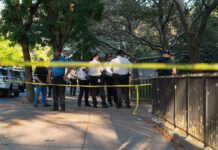
The Far Rockaway station remained locked down for approximately seven hours Friday evening as investigators processed the crime scene, forcing service disruptions that rippled through the city’s transit network during peak hours. Residents expressed shock at the victim’s age, with one neighbor telling reporters, “He’s only 15.” The shooting occurred in a residential area of Queens at Beach 22nd Street and Mott Avenue, transforming a routine commute into a scene of carnage. For families in communities like Far Rockaway, the incident drives home the reality that their children now face lethal threats not just on street corners but inside the very trains meant to transport them safely through the city.
Systemic Failure Puts Commuters at Risk
This surge in subway violence reflects a broader failure of city leadership to protect the public from a wave of youth crime that has turned transit into a dangerous gamble. While the quick arrest demonstrates investigative competence, it offers little comfort to commuters who witnessed a child bleed out on a train platform or to the countless others now calculating the risks of their daily journeys. The reliance on after-the-fact video evidence and arrests does nothing to prevent the next shooting, stabbing, or gang confrontation from erupting amid crowds of innocent riders. As political leaders debate funding for more cameras and patrols, ordinary citizens are left to navigate a system where a simple argument between teenagers can escalate to murder in seconds, with bystanders caught in the crossfire and parents burying their children.