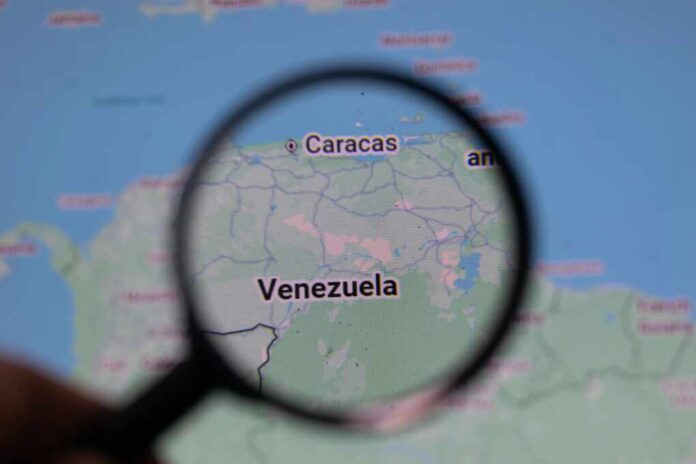
The Trump administration is reportedly considering a significant shift in U.S.-Venezuela relations by making preliminary moves to reopen the U.S. embassy in Caracas. This development follows a recent U.S. military operation that resulted in the capture of Venezuelan leader Nicolas Maduro. However, the potential return of diplomatic personnel is clouded by persistent security risks, political instability, and logistical challenges, meaning a final decision by President Trump remains pending.
Story Highlights
- The Trump administration is considering reopening the U.S. embassy in Caracas.
- This move follows a U.S. military operation capturing Maduro.
- Security risks and political instability persist in Venezuela.
- No final decision has been made by President Trump.
Embassy Reopening Preparations Underway
The Trump administration is reportedly making preliminary moves to reopen the U.S. embassy in Caracas, Venezuela. This development comes on the heels of a U.S. military operation that resulted in the capture of Venezuelan leader Nicolas Maduro and his wife, Cilia Flores, who are now facing charges in New York. However, the final decision to reopen the embassy remains with President Trump.
The U.S. embassy in Caracas has been closed since 2019, following the political crisis in Venezuela when the United States recognized opposition leader Juan Guaido as the interim president. The Trump administration deemed Maduro’s reelection fraudulent, leading to the withdrawal of diplomatic personnel due to security concerns and political instability.
💥BREAKING:
🇺🇸 TRUMP ADMINISTRATION IS PREPARING FOR A POSSIBLE REOPENING OF THE U.S. EMBASSY IN CARACAS. pic.twitter.com/oIK2Vfe0HM
— STEPH IS CRYPTO (@Steph_iscrypto) January 6, 2026
Security Concerns and Diplomatic Challenges
Despite the potential reopening, the U.S. State Department has issued a security alert warning of severe risks in Venezuela, including crime, civil unrest, and limited healthcare. These challenges, coupled with the absence of commercial flights, pose significant hurdles for diplomatic normalization. The interim Venezuelan president, Delcy Rodriguez, has been sworn in, signaling a potential shift in the country’s political landscape.
Secretary of State Marco Rubio has outlined the U.S. strategy, which includes maintaining pressure on Venezuela through measures like an oil quarantine. This is aimed at influencing policy changes and ensuring stability in the region. The power dynamics have shifted with the U.S. intervention, leading to regional tensions as some Latin American countries have condemned the operation as a violation of sovereignty.
Implications for U.S. and Venezuela Relations
The reopening of the embassy could signal a shift towards normalized diplomatic relations, but there are significant risks involved. In the short term, the potential restoration of consular services is hindered by security concerns and logistical challenges. In the long term, successful reopening could enhance U.S. influence in Venezuelan affairs, although the possibility of escalating tensions remains if the transition falters.
U.S. citizens in Venezuela face evacuation challenges, and the local population is experiencing heightened unrest and fears of further instability. The economic impact includes pressure on the oil sector, while politically, the narrative of U.S. control could strain alliances in the region. Analysts suggest that this move reflects an intent to work through the new reality amid volatility, with the U.S. focusing on managing the transition without direct governance.
Watch the report: https://www.youtube.com/watch?v=UmKULkCPYwE
Sources:
- US making preparations to reopen embassy in Venezuela: Official
- US weighs embassy reopening as Venezuela risk persists
- United States prepares to reopen its embassy in Caracas
- US considering reopening embassy in Venezuela