Federal authorities have exposed a major vulnerability in America’s research institutions following the high-profile arrest of a Chinese national at Stanford. This event ignites new, urgent fears about Communist China’s systematic manipulation of U.S. universities for espionage and technology theft, forcing a national reckoning on the balance between academic freedom and national security.
Story Snapshot
- Stanford researcher Chen Song indicted for alleged military ties and visa fraud, highlighting CCP infiltration risks.
- Professionals warn that U.S. universities are seen by China as “weak links” for acquiring sensitive research and technology.
- The Trump administration intensifies scrutiny, pushing universities to prioritize national security over globalist agendas.
- Ongoing debate pits academic freedom against the urgent need to protect American innovation and constitutional values.
CCP Espionage Targets American Universities as Vulnerable Gateways
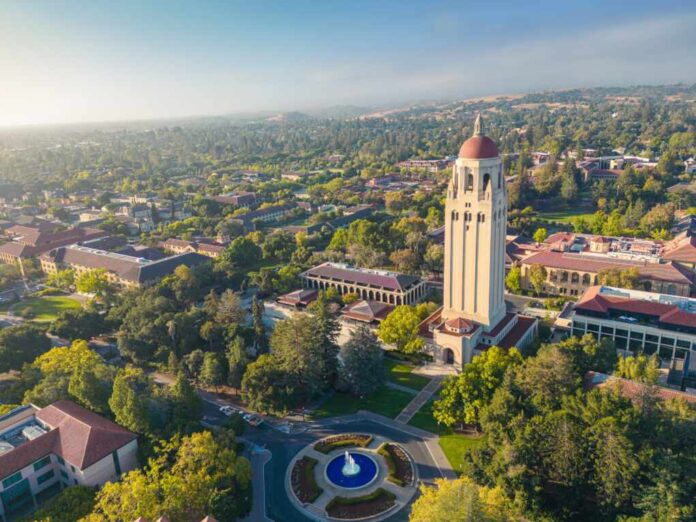
In 2025, federal authorities indicted Chen Song, a Chinese national and Stanford researcher, for allegedly concealing ties to the People’s Liberation Army and committing visa fraud. This case spotlights how the Chinese Communist Party (CCP) systematically exploits the openness of top U.S. universities, treating them as “weak links” for intelligence gathering and technology theft. Officials reveal that Song’s ongoing affiliation with the Chinese military underscores a broader CCP strategy: leveraging Chinese nationals in sensitive research fields to report back to Beijing, putting America’s intellectual property and national security at risk.
The backdrop is alarming. Since the 2017 National Intelligence Law, all Chinese citizens—no matter where they reside—are compelled to cooperate with state intelligence work. Stanford, like other prestigious American institutions, has received significant Chinese funding and hosts thousands of Chinese students, many embedded in advanced fields like artificial intelligence and robotics. As the Trump administration cracks down on foreign espionage, universities face mounting pressure to strengthen research security and vetting procedures, while balancing concerns about racial profiling and academic freedom.
Chinese nationals arrested at top school shows how CCP views US universities as 'weak link,' experts warn – Fox News https://t.co/ewf6Gu8s4t
— Liz 🦋 🇺🇸 (@ElizabethSolle2) November 7, 2025
Trump Administration Responds: Prioritizing Security Over Globalist Ideals
President Trump’s renewed focus on defending American interests has led to increased scrutiny of Chinese nationals in U.S. academia. Landmark executive actions and legislative reforms now empower federal agencies to investigate and prosecute foreign nationals who conceal military ties or engage in visa fraud. The administration’s stance reflects a shift away from the globalist, open-border mindset of previous years, targeting not only illegal immigration but also “woke” university policies that left critical research fields exposed to foreign manipulation. By treating CCP academic espionage as a national security priority, Trump officials aim to protect constitutional rights, economic competitiveness, and family values from foreign and bureaucratic overreach.
Stanford and other universities, caught between pressure from federal authorities and their own institutional reputations, have often kept similar investigations confidential. Concerns about public backlash, racial profiling, and reputational risk mean that only a handful of cases—like Song’s—are publicly acknowledged. The chilling effect on international collaboration is growing, and many universities now face tough choices about balancing openness with the urgent need to safeguard American innovation.
Long-Term Implications: National Security, Academic Freedom, and American Values
The Song case signals a turning point in U.S. policy and public awareness. In the short term, Chinese nationals in academia face increased suspicion, visa cancellations, and legal actions. Over the long haul, this scrutiny may dampen international collaboration, escalate U.S.-China tensions, and spur major changes in university policy and federal regulation.
American universities risk reputational damage and loss of global talent, while the broader research sector braces for new export controls and security requirements. Critics worry about the impact on academic freedom, but supporters argue that defending the Constitution and American innovation must come first.
Congressional investigators support tighter vetting in sensitive research fields, while some faculty caution against overgeneralization and stigmatization. The Trump administration’s decisive actions reflect conservative principles: defending individual liberty, limiting government intrusion, and rejecting “ridiculous” globalist agendas that jeopardize America’s future. As universities and policymakers debate the balance between openness and security, one thing is clear—protecting American values and innovation from foreign threats is now a top priority in Washington.
Watch the report: Cheating on exams: China students in college most often expelled for cheating – TomoNews
Sources:
Investigation: Uncovering Chinese Academic Espionage at Stanford
Stanford Researcher Accused of Being Active Member of Chinese Military
China Using College Students in US as Undercover Agents: Report
Stanford Researcher Charged with Visa Fraud
Three Chinese National Scholars at University of Michigan Charged
CCP Threat: Updated Feb 2025
Federal Charges Against Stanford University Researcher Expanded