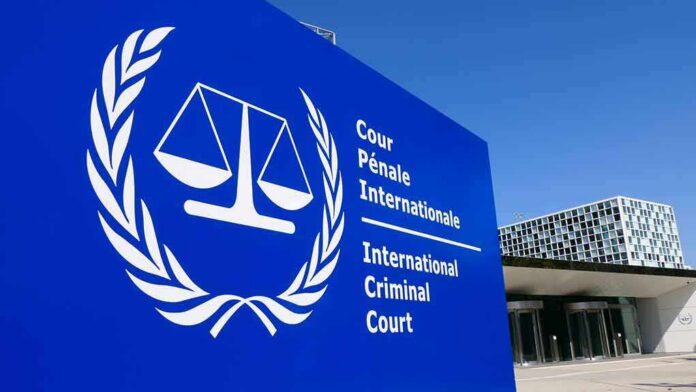
The White House is preparing sanctions that could isolate the International Criminal Court from major financial networks, escalating a sovereignty fight with global ripple effects.
Story Snapshot
- Executive Order 14203 already authorizes sanctions against International Criminal Court officials and supporters.
- State Department designations in 2025 targeted judges and prosecutors over cases involving Americans and Israelis.
- A federal judge later blocked enforcement, signaling legal risks for the policy.
- The Court and allies call the measures a threat to judicial independence and rule of law.
What the administration is building on
President Trump signed Executive Order 14203 on February 6, 2025. The order authorizes asset freezes, entry bans, and limits on services for people tied to the International Criminal Court’s actions against Americans or allied nationals without consent. The order lets the government target not only court officials but also those who materially assist them. That scope can chill banks and service firms that fear penalties, which is why any new step could hit the Court’s access to the financial system.
After the order, the State Department designated several International Criminal Court judges and prosecutors in August 2025. The department said they engaged in efforts to investigate, arrest, detain, or prosecute nationals of the United States or Israel without those countries’ consent. That move showed how the order works in practice. It shifted the clash from theory to enforcement, raising costs for named officials and warning institutions that enable their work.
Why this fight resonates at home
Supporters inside the administration frame the policy as a defense of national sovereignty and of allies facing contested cases. They argue that unelected international bodies should not claim power over Americans or partners without a treaty or consent. Many voters on both the right and the left see a system that ignores their voice. To them, foreign judges setting rules feels like one more example of distant elites making decisions with no accountability at home.
Critics counter that sanctions look like an attack on judges for doing their jobs and could harm victims’ access to justice. Human rights groups say the order sweeps in officials and those who support the Court’s work, including by freezing assets and blocking travel. That breadth can push banks, insurers, and vendors to walk away, even when they face no direct ban. The result can be self-censorship across the system, which deepens the fight over values and the rule of law.
Legal guardrails and real limits
The courts are already a check on this policy. In July 2025, a federal judge blocked enforcement of the order after a lawsuit challenged its scope. The ruling showed that even a national security tool must meet constitutional and procedural standards. It also signaled to agencies and banks that some parts of the program may not survive review, which affects how far private actors go to comply.
Any broader package that cuts deeper into financial plumbing would still run through the Treasury Department’s sanctions process. That means definitions, licenses, and guidance that banks read line by line. If rules are too vague, firms will likely de-risk beyond what the law requires. If rules are too narrow, they may not change behavior. Striking that balance decides whether policy aims hit targets or backfire on bystanders.
Global blowback and the risk of isolation
The International Criminal Court and many governments condemned the sanctions. The Court called them a flagrant attack on an impartial judicial institution and said they undermine the rule of law. Supporters warned that threatening judges for applying the law puts the international legal order at risk. These statements raise the diplomatic cost for Washington and could push allied capitals to rally around the Court instead of the United States.
By preparing sanctions against the @IntlCrimCourt, Trump is targeting not war criminals, but the institution trying to prosecute them. Why is Europe standing by? Activate the Blocking Statute and protect the #ICC, @EU_Commission. https://t.co/DPCxZF0LRF
— Kathleen Van Brempt (@kvanbrempt) September 21, 2026
If the new measures reach payment rails, clearing, or compliance services, the stakes rise for banks in Europe and Asia. They will choose between United States sanctions risk and support for an international court that their governments fund. That split can strain alliances. It can also push more countries to build workarounds outside United States reach. Over time, that weakens the leverage of the dollar and the credibility of sanctions as a policy tool.
What to watch next
Watch for three signals. First, the exact text of any new designations or rules will show whether the aim is narrow pressure or system-wide isolation. Second, court filings will test the legal theory and may require the government to disclose more of its rationale. Third, allied reactions will shape whether this becomes a United States-led standard or a point of fracture. Each path carries costs that touch sovereignty, justice, and the power of the financial system.
Sources:
ofac.treasury.gov, hrw.org, justsecurity.org