Two of California’s wealthiest donors just gave $2.5 million to defeat the state’s voter ID ballot measure.
Story Snapshot
- Reed Hastings and Patty Quillin gave $2.5 million to “No on Proposition 39” committees.
- State records list Quillin’s $1.5 million and Hastings’ $1 million contributions in late August and early September 2026.
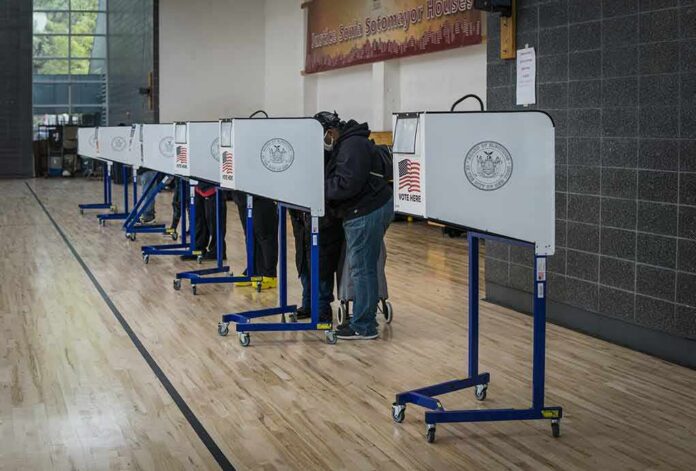
- Proposition 39 would require voters to provide additional identifying information every time they vote.
- Supporters say the measure deters fraud and builds trust; critics warn of new barriers and costs.
Who Gave, How Much, and When
California campaign filings show two large checks landed against Proposition 39 within days. Patty Quillin gave $1.5 million on August 31, 2026, and Reed Hastings gave $1 million on September 3, 2026, to committees opposing the voter ID initiative. Politico reported that two main “No on 39” committees are sharing resources funded by the couple, confirming the scale and direction of the money. These are disclosed gifts to named committees, not anonymous transfers.
Press coverage from the San Francisco Chronicle and New York Post also cites the same dollar amounts and timing, matching the state records. The filings tie the funds to established opposition groups, including committees linked to civil liberties advocates, rather than to dark-money entities. The public record does not include a statement from Hastings or Quillin explaining their reasons for opposing the measure, leaving the donations to speak for themselves.
What Proposition 39 Would Do
The Legislative Analyst’s Office explains that Proposition 39 would require voters to provide additional identifying information each time they cast a ballot in California. For in-person voting, that includes government-issued identification. For voting by mail, the measure would require partial identification numbers on return envelopes, and election officials would verify identity before counting ballots. A “No” vote would keep California’s current identity checks that rely on signature matching.
Supporters argue the change would deter fraud and increase public confidence, even as they acknowledge documented fraud cases are rare in the state. Backers say the steps are simple and would help confirm eligibility and restore trust in results. Opponents warn the new rules could create barriers for eligible voters and add costs for counties that must update systems and training. The Legislative Analyst’s Office projects ongoing state and local costs that depend on future decisions.
Why Big Money in Ballot Fights Fuels Public Distrust
California ballot measures often turn into contests funded by a few wealthy donors, and this fight is no different. The couple’s $2.5 million gives the “No” side major reach in ads, legal help, and voter outreach that small donors cannot match. Voters across the spectrum worry that large checks, not citizen debate, set the terms in high-stakes elections. That fear deepens when the issue touches election rules, where trust and fairness are core values.
The larger debate remains unsettled by the donations themselves. A contribution signals a side, not proof on policy effects. Research and officials offer mixed views on whether voter ID rules boost confidence or reduce turnout, and California-specific data are still debated. What is clear is that Proposition 39 would change how millions vote, and the money now flowing will shape what voters hear before they decide. The donors’ motives remain unspoken in the record.
Sources:
thegatewaypundit.com, dailywire.com, politico.com, sfchronicle.com, fppc.ca.gov, nypost.com, insidepoliticalmoney.com, ivn.us