A driver steered onto a White House-adjacent sidewalk at midday, triggering a rapid lockdown and police sweep before officers found no explosives and took him for a mental health check.
Story Highlights
- Man detained after driving onto the sidewalk by Lafayette Square at 16th and H Streets NW
- Incident began around 12:15 p.m. on Saturday, Sept. 19, 2026
- Secret Service closed nearby roads out of caution; vehicle search found no threats
- Reports say the man demanded to speak with President Trump as he was held
What Happened Near the White House Perimeter
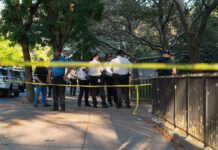
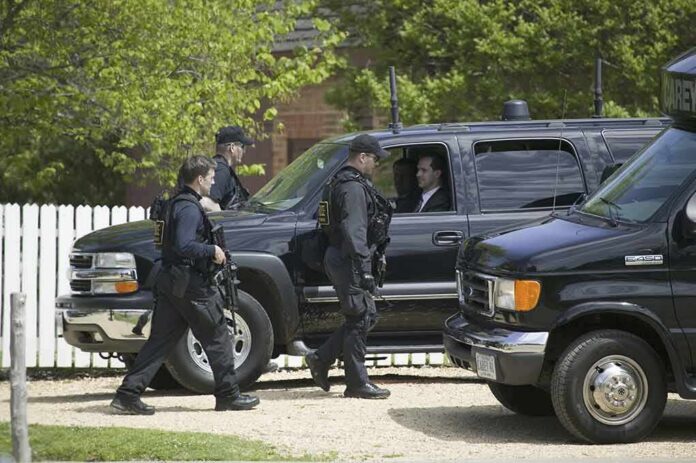
United States Secret Service officers detained a driver shortly after his vehicle went onto the sidewalk at 16th Street and H Street Northwest, beside Lafayette Square, just north of the White House. The event began a little after 12:15 p.m. on Saturday, September 19, 2026. Agents and local police moved quickly, secured the area, and assessed the car. Officials described the road closures as a step taken out of an abundance of caution during the initial response.
Media reports from the scene described a large presence of law enforcement and some military personnel while the area was cleared. The United States Secret Service searched the vehicle and reported negative results, meaning no suspicious items or explosives were found. Officers then took the man to a nearby hospital for a mental health evaluation. Authorities did not release the person’s name, charges, or a final disposition at the time of reporting.
What Officials and Reports Say About Motive
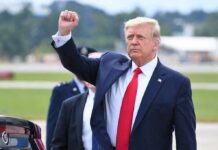
While in custody, the person reportedly demanded to speak with President Trump. That detail appeared in several news accounts based on witness or official summaries from the scene. Agencies did not provide an official transcript or a motive. Without a public report naming the individual or listing charges, the reason for the conduct remains unclear based on what has been released so far.
The Secret Service framed the actions as precautionary, not as proof of an active device threat. Closing streets and sweeping the car fit standard protective playbooks near the White House. The approach is designed to over-protect first, then stand down if checks reveal no danger. That is what happened here: a quick perimeter lock, a methodical search, and then the all-clear on explosives or obvious hazards.
Why Small Breaches Draw Big Responses in This Zone
Protecting the President relies on layers of security that assume the worst until proven otherwise. Any vehicle that crosses a line or nears a restricted zone can trigger a fast and visible response. Reviews of past White House incidents and protective doctrine show this pattern: move people back, control streets, and check for threats before easing restrictions. That posture reflects lessons from earlier breaches that demanded faster reaction time at the perimeter.
For citizens, the scene can look like overkill. For agents, it is routine risk management in a place that cannot afford a slow mistake. This response also speaks to a broader public worry: many Americans think the system reacts hard to street-level events but fails to deliver clear, public answers later. Here, too, the basics are known, but the key records on identity, charges, and final outcome were not yet public at the time reports were filed.
Sources:
nypost.com, news.meaww.com, themirror.com, oglobo.globo.com