
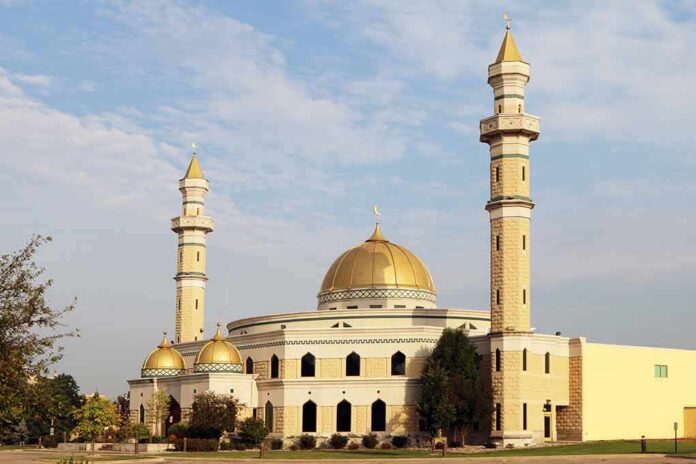
Residents and city leaders in Warren, Michigan are clashing over mosque-related traffic and noise, exposing a deep trust gap about who gets heard and who gets helped.
Story Snapshot
- Residents report blocked driveways, crowded streets, and daytime noise during prayers and holidays.
- City officials and police say recent checks found legal parking and complaints outside the noise ordinance hours.
- A Warren ordinance bans excessive noise between 10 p.m. and 8 a.m. in neighborhoods and on public streets.
- Prior local disputes show recurring flashpoints over parking, traffic, speakers, and building features.
What Sparked the Warren Dispute
Residents in working-class neighborhoods in Warren say mosque gatherings have strained daily life. Neighbors told reporters that Friday prayers and major holidays bring cars that crowd streets and block driveways. Some claimed people parked on lawns and ignored local norms. They argue that city leaders and the police have not stepped in enough to protect access and peace on their blocks. The claims reflect real stress over change, space, and fairness in a tight community.
Mayor Lori Stone’s office responded that it takes complaints seriously but needs specifics to act. The Warren Police Department said it handles all quality-of-life issues the same way, no matter the group or area. The department reported the last service call in the area was months ago and that officers found heavy traffic but legal parking. Police added that most noise reports tied to these gatherings happened during the day, outside the city’s overnight limits.
What the Law Allows — And What It Does Not
Warren’s rules draw a clear line on noise. The city bans excessive noise in residential areas and on public streets between 10 p.m. and 8 a.m. If a complaint comes during those hours, it can trigger action under the ordinance. Complaints during the day face higher bars, since normal city life makes some noise. Separate city rules also restrict loud amplified music from vehicles audible at a set distance during the day and evening.
These standards explain the core dispute. Neighbors describe disruption they feel is excessive at any hour. Police point to a code that is strongest at night. That gap breeds anger when residents feel unheard and officials say they lack proof that crosses the legal threshold. The result is a cycle of calls, drive-bys, and lingering doubt that the system is even trying to work for everyone.
Why Parking and Traffic Keep Becoming Flashpoints
Parking and traffic are not new friction points in Warren. Years ago, a mosque planning dispute drew complaints about loudspeakers, parking, and congestion. More recently, a zoning board turned down a request for two tall minarets after neighbors raised parking and safety concerns. These steps show how land use and design often become the public battleground for deeper tensions about culture and community identity.
Research on mosque disputes in the United States and abroad shows a pattern. Neighbors often frame their pushback in terms of traffic, parking, and noise, which are easier to argue under local law. These issues are real and measurable, so they can be weighed in meetings and minutes. But when trust is low, even careful plans and traffic studies cannot calm fears about sudden change on small streets with old infrastructure.
The Shared Concern Both Sides Voice
Both residents and mosque members say they want safety, order, and respect. Residents want clear rules that protect their driveways and sleep. Worshipers want equal treatment and protection from bias. Police say they have not exempted any area from law enforcement. City leaders say they need detailed, timely reports to act. That all sounds fair on paper. But people see clogged streets and hear noise, then watch nothing change. That gap fuels the sense that the system serves someone else.
Practical steps could narrow the gap fast. The city can set temporary no-parking zones and towing on peak days, post clear signs, and assign traffic officers during Friday prayers and big holidays. The mosque can recruit volunteer marshals, arrange off-site parking with shuttles, and share prayer schedules in advance. A joint hotline with a tracking number would let residents see when a complaint came in and what the response was. Those moves build proof, not just promises.
Bottom Line: Accountability Over Anger
Warren is not alone. Growing towns face strain when roads are narrow, driveways are short, and events draw crowds. The way through is even-handed enforcement, transparent data, and shared responsibility. If the city enforces the code the same way for every group, and posts weekly metrics, trust can grow. If the mosque manages traffic and noise beyond what the law requires, goodwill can grow. Without that, frustration will harden, and the loudest voices will define the town.
Sources:
facebook.com, foxnews.com, cair.com, ispu.org, cbsnews.com, clickondetroit.com