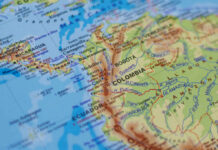
In Michoacán, Mexico, federal authorities have increased troop deployment after the assassination of Uruapan Mayor Carlos Manzo. The incident, which occurred on November 1, 2025, has escalated the ongoing public and political debate regarding the government’s strategy for addressing organized crime and cartel violence in the region.
Story Highlights
- Carlos Manzo, mayor of Uruapan, was assassinated by a cartel-affiliated minor.
- President Sheinbaum announces “Plan Michoacán” with increased troop deployments.
- Public protests highlight dissatisfaction with government security strategies.
- Ongoing debate over the balance between militarized response and institutional reform.
The Assassination and Its Immediate Aftermath
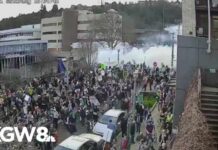
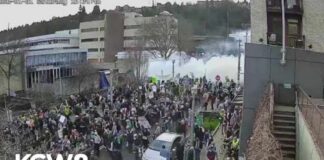
Carlos Manzo, the mayor of Uruapan, was assassinated in an attack during the Day of the Dead festival on November 1, 2025. This public execution, attributed to a 17-year-old recruited by the Jalisco New Generation Cartel (CJNG), triggered widespread outrage and protests across Michoacán. The event was witnessed by Manzo’s family and constituents, highlighting the cartel’s audacity and its grip on the region.
In response to the crisis, President Claudia Sheinbaum unveiled “Plan Michoacán” on November 11, 2025. This initiative aims to bolster local police forces, improve prosecutorial capabilities, and enhance federal military presence. Additionally, the plan includes investments in infrastructure, agriculture, and education as part of a comprehensive approach to address the underlying issues driving violence and unrest.
Cartel Influence and Government Strategy
Michoacán has long been a battleground for competing drug cartels due to its strategic location. The CJNG’s involvement in Manzo’s assassination underscores the group’s continued recruitment of minors and its intent to maintain control through violence. Despite federal claims of reduced violence, independent data indicate that homicide rates have more than doubled since 2012, challenging the effectiveness of past militarization efforts.
Opposition parties have been vocal in their criticism of the government’s handling of cartel violence, emphasizing the need for stronger local institutions and community engagement. The legacy of former President Felipe Calderón’s militarization strategy still looms large, with some attributing current instability to these past policies. Meanwhile, ongoing protests reflect public demand for more effective governmental action and accountability.
The Path Forward: Balancing Security and Reform
The deployment of additional troops in Michoacán marks a significant escalation in the federal government’s approach. However, there is growing concern that militarization alone may not suffice to curb cartel influence.
As Grecia Quiroz, Manzo’s widow, assumes the mayoral position, she faces the formidable task of continuing her late husband’s legacy of confronting organized crime. The situation in Michoacán serves as a broader reflection of Mexico’s national challenges in balancing militarized responses with institutional reform and community resilience.
Watch the report: Michoacán confirma que Víctor Manuel, asesino de Carlos Manzo, tenía apenas 17 años
Sources:
Outrage spreads over Mexico mayor’s murder while government upholds its security strategy
Michoacán authorities identify Carlos Manzo’s killer as 17-year-old Víctor Manuel | International | EL PAÍS English
Teenager identified as killer of assassinated Mexican mayor | Reuters.