America says the world’s key oil choke point is open again, but rival claims show the fight for control is not over.
Story Highlights
- Secretary of State Marco Rubio said the Strait of Hormuz is open and oil flows are near normal.
- Rubio cited U.S. escorts and mine removal to restore safe passage and free navigation.
- Iran and aligned outlets still claim control and warn ships need Tehran’s permission.
- Independent data shows regional exports rebounding, with many barrels bypassing Hormuz.
What Rubio Said And Why It Matters
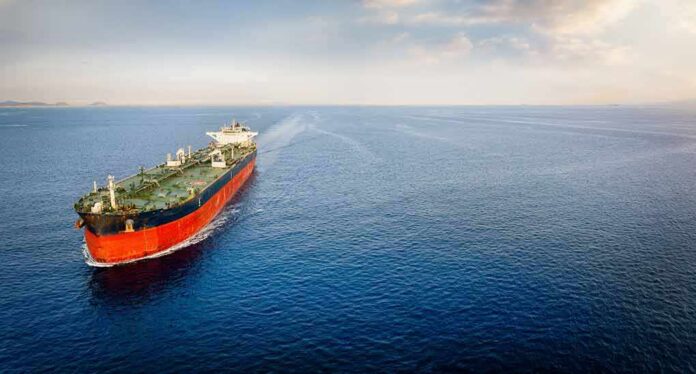
Secretary of State Marco Rubio told reporters the Strait of Hormuz is open and that oil flows are close to pre-war levels. He said Iran had “lost complete control” of the waterway. He tied the improvement to U.S.-led security escorts and mine clearance that aimed to restore free navigation for commercial ships. These remarks matter because this strait carries a big share of the world’s oil. Any shutdown can raise prices, strain budgets, and hit family wallets.
Rubio also said the United States would keep backing traffic through the channel as needed. He described a step-by-step effort, with details held back for safety and later release. Earlier, he said the southern lane was open and that more barrels were moving each day as crews worked to remove mines and guard shipping. The message from Washington is clear: ships should pass without paying tolls or facing new rules at sea that break long-standing navigation norms.
What Iran Claims And How It Conflicts
Iran and aligned media push a very different picture. They say Tehran controls passage and that ships need its permission to transit the strait. They also describe a “toll booth” style regime and warn operators who do not comply could face limits. Reuters reported that Iran’s joint command said no vessel could pass without Tehran’s approval. These claims run directly against Rubio’s view that the route is open under free navigation rules.
Some Iranian voices argue that only a small amount of oil is passing through Hormuz. Other reports counter that flows have climbed despite threats. Taken together, this is a narrative fight layered over a military one. Each side uses strong language to shape global opinion. That leaves shippers, insurers, and energy buyers reading between the lines while they track real traffic and risk costs day by day.
What Neutral Data Shows About Oil Flows
Independent snapshots suggest a mixed recovery. The British Broadcasting Corporation reported that Middle East oil exports reached about ninety-two percent of pre-war levels late in September. But it also found that much of that oil did not use the strait. About forty percent moved by pipelines or other routes that bypass Hormuz. Average barrels through the strait itself were below the old baseline in that period.
This pattern fits how chokepoint crises usually play out. Traffic shifts, insurers adjust prices, and then some normal trade returns with escorts and reroutes. That helps explain how the region can near old export totals even if the strait’s own volumes lag. It also explains why both sides can claim momentum. One side points to total exports. The other points to control and rules inside the narrow channel.
Why This Hits Home For Americans
Oil supply risk shows up at the gas pump and in the price of food and goods. When a few miles of water can raise costs for millions, people feel that far-off fights are running their lives. Many Americans, on the right and left, already think the system favors the powerful. Confusing signals about who controls Hormuz feed that view. They see leaders boast while basics like energy costs still swing hard with every headline.
Rubio’s message is a win if tankers keep moving without new tolls or threats. Iran’s message is a win if shippers accept its terms or avoid the channel. The clearest test will be steady, unharassed passage at volumes close to the old norm, with insurance costs easing. Until neutral maritime bodies publish firm audits, expect both sides to claim success. For families here, the scoreboard is simple: stable prices and reliable supply, not slogans at a podium.
Sources:
youtube.com, wionews.com, freemalaysiatoday.com, english.ahram.org.eg, reuters.com, aljazeera.com, bbc.com, journals.eduped.org