New York’s top environmental and health agencies say they were never told before a 100-bed women’s detention tent rose at the federal Batavia site.
Story Snapshot
- State regulators demanded details after learning of the project from public reports, not federal outreach.
- Letters describe a temporary, soft-sided structure for up to 100 female detainees of all security levels.
- New York asked about drinking water, wastewater, winter heat, meals, and medical care at the site.
- The tent expands a men-only federal detention center near Batavia, New York, to add space for women.
State Says It Learned Of Batavia Tent From Public Reports
New York’s Department of Environmental Conservation and Department of Health sent letters on November 17 saying they had received no outreach about a new detention tent at the Buffalo Service Processing Center in Batavia. The agencies said they learned key details from public reporting and contracting records, not from the federal government or the contractor. The letters were addressed to U.S. Immigration and Customs Enforcement and to Akima Infrastructure Protection, the firm building and operating the tent.
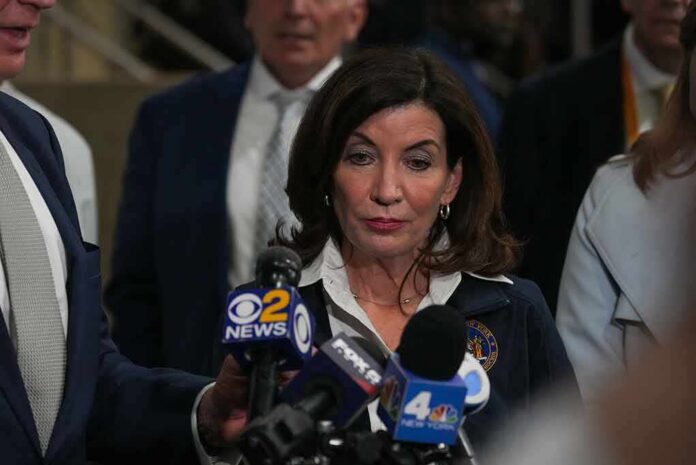
Governor Kathy Hochul publicly backed the inquiry and demanded answers from U.S. Immigration and Customs Enforcement on safety and compliance. Her office said the project’s purpose and operations must be clear before winter conditions set in. The state’s push focused on basic protections that matter at any facility, whether temporary or permanent. It placed the burden on the federal agency and contractor to explain how they will meet those standards at this site.
What The Tent Will Do And Why That Matters
The letters describe a temporary, soft-sided structure that may hold up to 100 women in federal civil immigration detention. They specify that detainees could include all security levels, which raises planning needs for staffing, medical care, and safety. The site expands the existing Batavia complex, which press reports said had been holding men. Adding women changes operations and services, including privacy needs, health care, and supervision plans tailored to female detainees.
State officials asked for core information on drinking water sources, wastewater handling, heating capacity for freezing temperatures, meal service, and medical access. They also requested the legal basis for the project, the expected start date, and details on population management. The agencies set a response deadline and framed the requests as needed for environmental and public health oversight. The letters did not accuse U.S. Immigration and Customs Enforcement or Akima of violations but pressed for documentation.
Oversight Questions And The Limits Of The Record
New York’s demand highlighted a common friction point: federal detention projects can move ahead under contract while state and local oversight lags. Communities often raise land use, infrastructure, and safety issues after work begins. The Batavia case follows that pattern, with the state noting it was not contacted before construction became public. That timing fuels concern across the spectrum about transparency and basic accountability at facilities that hold people in government custody.
Available documents do not show whether U.S. Immigration and Customs Enforcement or Akima had a legal duty to notify state regulators before building the tent. The state letters ask for information to determine what rules apply. They also do not confirm whether women have already been detained there or whether the full 100-bed capacity is active. Those limits do not change the core facts: the project exists, the tent is for women, and the state is formally pressing for safety and compliance details.
Why Both Sides Should Care About Basics Like Water, Heat, And Medical Care
New York’s questions focus on practical needs that matter to everyone: safe water, working toilets, heat in subfreezing weather, enough food, and reliable medical care. When the government holds people, it assumes responsibility for those basics. Clear plans and public answers reduce risk for detainees, staff, and taxpayers. They also help prevent emergencies that can strain local hospitals and utilities, which nearby residents and businesses would feel first if systems fail.
ICE and contractor Akima are erecting an unpermitted soft-sided tent at the Batavia detention facility to hold 100 women as Western New York winter sets in.
Hochul called it unconscionable and said state DEC and DOH received no prior information or outreach. The work is under… pic.twitter.com/SAvBE02rgT
— CantStopPoppin (@CantStopPoppin) November 19, 2026
For conservatives, the issue touches cost, order, and rule of law: is the federal government running a tight ship, or rushing with little notice? For liberals, it raises civil rights and humane treatment: are women detained in safe, decent conditions? For both, the shared concern is simple. When officials build fast and tell the public late, trust erodes. Transparency about this tent—how it runs and who answers if things go wrong—serves the whole community.
Sources:
nypost.com, governor.ny.gov, abcnews.com