A Washington Post investigation traced a spy plane seen near covert boat attacks to a company based in The Villages, Florida, and to contractors with ties to the Central Intelligence Agency.
Story Highlights
- A surveillance aircraft repeatedly flew near alleged covert strikes on boats by the Galápagos Islands, according to flight records.
- Reporters linked the plane’s management to contractors with known Central Intelligence Agency ties.
- Public records show the jet was first purchased by a company based in The Villages, Florida.
- The case spotlights contractor-run air networks and limited public oversight of covert activity.
What investigators found about the aircraft and the flights
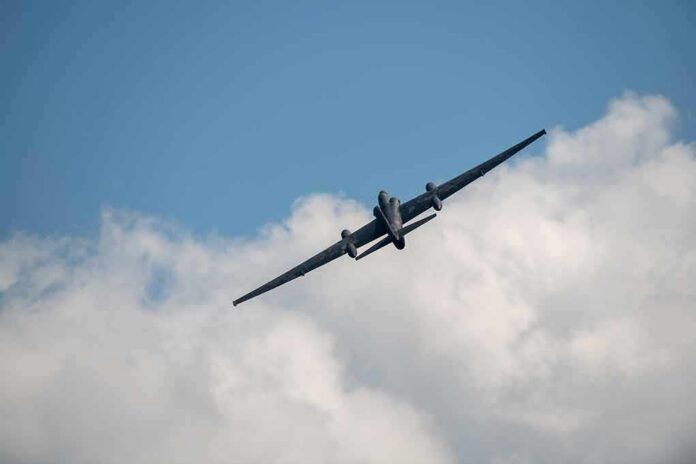
The Washington Post reported that a high-tech surveillance plane flew again and again near the sites of covert boat attacks off the Galápagos Islands earlier this year. Flight paths placed the jet in the vicinity around the times of the strikes, suggesting a supporting role. The reporting did not claim the plane fired weapons. It focused on presence, timing, and capability. The patterns raised fresh questions about who directed the mission and how it was organized.
Reporters identified the aircraft as a specialized surveillance platform with modifications for signals and imaging. Those upgrades fit the kind of scouting that can guide operations at sea. The plane’s movements matched a repeated circuit around the islands, then returns to regional hubs. Aviation analysts quoted in summaries said the profile looked like target tracking, not routine transit. The article emphasized correlation of movement rather than direct proof of trigger-pulling or command.
Ownership trail from The Villages to contractor managers
Public records cited by the Post show the jet’s first buyer was a company based at The Villages, the large retirement community in Florida. After purchase, management authority and technical work shifted to aviation contractors with past links to Central Intelligence Agency air operations. The story described a mechanic and firms tied to prior government work, connecting the jet to a known network that has long supported covert flights, training, and logistics outside direct government fleets.
The reporting said the initial buyer delegated key approvals for modifications to a manager associated with a North Carolina aviation firm once known for Central Intelligence Agency contracts. That firm appeared in past accounts of government-linked air support. The chain of custody and the technical upgrade path together placed the aircraft inside a contractor web that has supported secret missions before. The article did not present a denial from the companies in question within the cited material.
Why contractor-run air networks matter for accountability
Congressional research explains that covert action oversight depends on timely notice and clear lines of responsibility. When missions run through private companies, tracing who ordered what becomes harder for the public and often even for lawmakers outside the intelligence panels. Since the 1970s, the Intelligence Community oversight system has evolved to check abuse, but gaps remain when activity is layered through cutouts, leases, and opaque maintenance chains, as past reviews and briefings have noted.
Academic work documents earlier Central Intelligence Agency use of private aircraft for sensitive tasks, including the transfer of detainees between secret sites. Those cases showed how a chartered jet can hide in plain sight while doing government work. The new reporting fits that older pattern: a private tail number, a plausible owner, and mission-specific gear added by contractors. That model lowers visibility and shifts risk, while making later accountability harder to secure for victims and taxpayers.
What this means for readers across the political spectrum
People on the right and left share a worry that powerful insiders operate with little sunlight. This case hits that nerve. A plane tied to covert strikes appears linked to contractor networks and a company in a well-known Florida community. Voters who want strong security also want clear rules, real oversight, and respect for law. The reporting underscores how blurred lines between public duty and private actors can shortchange both safety and accountability if not watched closely.
Sources:
washingtonpost.com, flipboard.com, cispes.org