
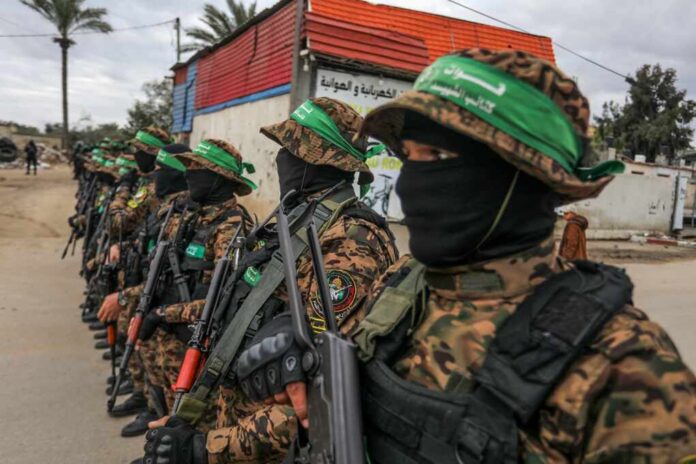
Following a ceasefire agreement between Israel and Hamas in October 2025, reports have emerged of public executions carried out by Hamas authorities in the Gaza Strip. These actions have drawn international condemnation and raised concerns regarding human rights and regional stability.
Story Highlights
- A ceasefire agreement in October 2025 left Hamas in control of the Gaza Strip after a period of conflict with Israel.
- Reports indicate public executions of individuals accused of collaboration and other offenses by Hamas authorities.
- International organizations have condemned these executions, citing a lack of due process and human rights concerns.
- The events have implications for governance in Gaza, regional stability, and the erosion of civil liberties.
In October 2025, a ceasefire agreement was finalized between Israel and Hamas, concluding a period of sustained conflict. This agreement resulted in Hamas maintaining de facto control over the Gaza Strip. The ceasefire was reached after negotiations, during which Hamas reportedly withdrew key demands and Israel emphasized security guarantees. Despite the agreement, the region remains volatile, with Hamas’s governance being a subject of international scrutiny.
BREAKING: Hamas carried out mass public executions in Gaza on Monday, just hours after signing a peace treaty with Israel — as part of a series of bloody reprisals following the withdrawal of Israeli troops. pic.twitter.com/SatGjEdGTu
— 💋🩵 Tallulah (@MtnMama406) October 14, 2025
Under the current arrangement, Hamas continues to exert significant authority within Gaza, contributing to a complex power dynamic. The ongoing blockade is cited as a factor in the strained healthcare system and widespread displacement. The ceasefire has not resolved underlying political divisions, and the absence of unified Palestinian governance further contributes to regional instability.
Shortly after the ceasefire, reports surfaced detailing public executions conducted by Hamas authorities. These executions reportedly targeted individuals accused of collaborating with Israel and other alleged offenses. The acts, which in some instances were broadcast, have elicited widespread international condemnation. Human rights organizations have issued statements expressing concern over the absence of due process and advocating for international oversight and accountability.
These executions highlight challenges in post-conflict governance and the potential for authoritarian practices in the absence of external monitoring. The international community has expressed concerns about the implications for human rights and regional stability, viewing the executions as a means of internal control and intimidation by Hamas.
The immediate impact of these executions includes a heightened atmosphere of apprehension and suppression of dissent within Gaza. This has reportedly contributed to a further reduction in civil liberties and an adverse effect on humanitarian operations and civil society engagement. In the long term, the establishment of authoritarian governance in Gaza could impede prospects for reconciliation or democratic reform, potentially isolating the region from international support and investment.
As international organizations continue to monitor the situation, the lack of significant intervention or alteration in governance structures remains a point of concern. The ongoing repression and limited political progress could further destabilize regional security dynamics, with human rights abuses persisting as a critical issue.
Watch the report: Hamas Executes 8 Gazans in Public Amid Trump’s Warning to ‘Disarm or Be Disarmed’
Sources:
https://www.cnn.com/2025/10/14/middleeast/gaza-public-execution-gaza-city-hamas-intl
Trump demands Hamas disarm, as group moves against ‘collaborators’ in Gaza
Hamas Brutally Executes 8 Gazans In Public Amid Trump’s ‘Disarm’ Warning