A new FCC enforcement move targeting late-night political satire has ignited a fierce debate over free speech and government overreach. The controversy centers on FCC Chairman Brendan Carr’s threats against ABC over a Jimmy Kimmel monologue, which has drawn accusations of censorship from Senate Democrats while earning praise from Republicans seeking stricter broadcast accountability. This incident highlights the deep partisan divide on media regulation and raises long-term concerns about the chilling effect on satirical expression.
Story Highlights
- FCC Chairman Brendan Carr defends threats against ABC over Jimmy Kimmel’s monologue.
- Senate Democrats accuse Carr of censorship, while Republicans support his regulatory stance.
- The controversy raises questions about free speech and government overreach.
- Carr’s actions reflect broader conservative efforts to enforce broadcast accountability.
Carr’s Firm Stance on Broadcast Accountability
FCC Chairman Brendan Carr recently defended his firm stance during a Senate hearing, where he faced criticism for his threats against broadcasters airing Jimmy Kimmel’s show. The controversy began in late September 2025 when Carr criticized a monologue by Kimmel and warned ABC affiliates of possible fines or license losses if they continued to air the show. Carr argued that his actions were in line with enforcing public interest standards, hoax rules, and news distortion policies.
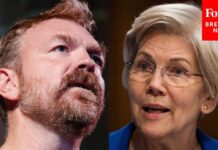
During the December 17, 2025, Senate Commerce, Science, and Transportation Committee oversight hearing, Carr faced direct questioning from Democrats like Senators Amy Klobuchar and Ben Ray Luján. Despite accusations of intimidation and censorship, Carr maintained that his approach was a necessary enforcement of FCC rules. His stance has been praised by Republicans who view it as a push for accountability in broadcasting.
FCC chief Brendan Carr defends Jimmy Kimmel remarks in heated Senate hearing: ‘You intimidate the companies’ https://t.co/lJrWvSzZg0 pic.twitter.com/0N4rB4sA9U
— New York Post (@nypost) December 17, 2025
Senate Hearing: A Battle of Opinions
The Senate hearing highlighted the deep divide between Democrats and Republicans over media regulation. While Democrats criticized Carr’s actions as an overreach that threatened free speech, Republicans supported his efforts to hold broadcasters accountable. Carr’s podcast remarks, suggesting ABC could take Kimmel off air “the easy way or the hard way,” became a focal point of the debate, illustrating the tension between regulatory enforcement and artistic expression.
Historically, the FCC has been tasked with enforcing public interest standards since its establishment in 1934. Carr’s actions echo past FCC enforcement, like the Fairness Doctrine, yet his modern approach marks a rare threat to late-night satire programming. This incident has elevated the discussion to a debate about the balance between regulation and freedom of expression.
Implications for Free Speech and Media Regulation
The fallout from Carr’s actions could have long-term implications for broadcasters and media consumers alike. In the short term, broadcasters might exercise increased caution in political content to avoid potential penalties. In the long term, the precedent set by Carr’s approach could chill satirical expression, raising concerns about censorship versus accountability.
Economically, ABC affiliates might face revenue impacts due to self-censorship, while socially, the incident fuels ongoing tensions over free speech. Politically, this controversy could deepen partisan divides on media regulation, with Republicans leveraging the “hoax” narrative to justify stricter enforcement.
Watch the report: FCC Chair Brendan Carr Faces Tough Questions on Kimmel Suspension, Agency Independence (Supercut)
Sources:
- US Democratic senators criticize FCC head over threats to Kimmel show | Reuters
- FCC Chair Brendan Carr clashes with Democrats in Senate hearing – ABC News
- Carr Stands Up for His Policies in Senate Hearing – Radio World
- Cruz threatens to disarm FCC over Jimmy Kimmel’s suspension