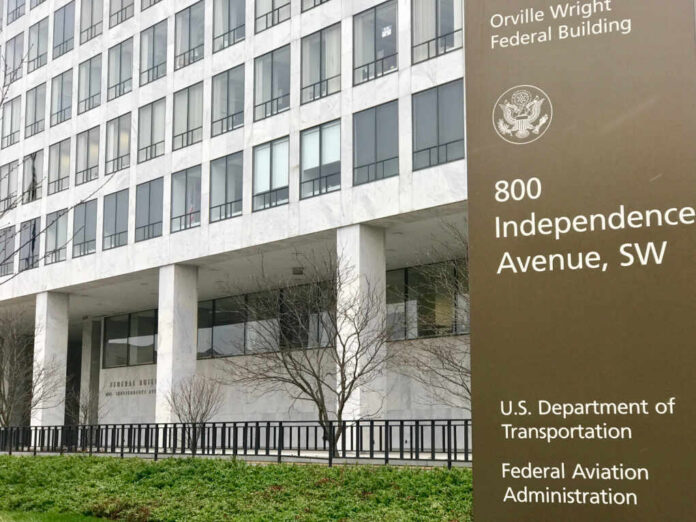
The Federal Aviation Administration (FAA) has ended emergency flight restrictions, allowing commercial airlines to restore regular service following a disruptive government shutdown. While this marks a critical operational victory, the agency cautions that a full recovery will take time as the National Airspace System addresses lingering staffing and infrastructure challenges exposed by the crisis.
Story Highlights
FAA lifts emergency flight restrictions effective November 17, 2025, at 6 a.m. EST.
Commercial airlines resume regular schedules after significant operational disruptions.
Full recovery expected to take additional time due to staffing and infrastructure challenges.
Shutdown underscored vulnerabilities in the National Airspace System.
FAA Lifts Flight Restrictions
On November 17, 2025, the Federal Aviation Administration (FAA) announced the lifting of emergency flight restrictions, allowing commercial airlines to resume their regular schedules. This decision comes in the wake of a government shutdown that had severely impacted air traffic operations across the nation. The restrictions, initially imposed on November 7, had reduced airline traffic by 4% at 40 major airports, eventually escalating to a 10% reduction by November 14.
The lifting of these restrictions marks a significant operational milestone as airlines are now able to return to normal scheduling. However, the FAA cautions that full operational recovery will require time, as air traffic control facilities continue to face staffing shortages and controllers need recovery time after working without pay during the shutdown. This period of adjustment is crucial to ensure the safe and efficient management of air traffic.
FASTEN YOUR SEATBELTS: The FAA will lift its emergency flight reduction order Monday morning, restoring normal air traffic nationwide after the record-long government shutdown as Transportation Sec. Duffy thanked FAA staff for “keeping our skies secure." pic.twitter.com/gw8iP7w8MJ
— Fox News (@FoxNews) November 17, 2025
Impact on the Aviation Industry
The aviation industry faced considerable challenges during the shutdown period. Commercial airlines experienced revenue losses due to flight cancellations and reduced capacity. Passengers were affected by delays, and air traffic controllers faced financial strain and fatigue from working extended hours without compensation. The lifting of restrictions is expected to alleviate some of these issues, but ongoing challenges remain as the industry works toward full recovery.
Business aviation operators were also impacted, with temporary bans on most domestic flights at key hubs. The National Air Transportation Association (NATA) communicated clarifications regarding these restrictions, highlighting the complexities of managing private aviation during the shutdown. The resolution of these operational challenges is critical for the broader recovery of the aviation sector.
Lessons from the Shutdown
The 2025 government shutdown highlighted significant vulnerabilities within the National Airspace System. The operational strain experienced during this period underscores the importance of adequate staffing and resources for air traffic control. The situation mirrored the 2018-19 shutdown, where similar patterns of operational pressure led to political leverage and resolution. This recurring issue emphasizes the need for robust contingency planning to prevent future disruptions.
Looking ahead, industry stakeholders must collaborate to strengthen the resilience of the air traffic system. This includes recruiting and training additional air traffic controllers and ensuring that policies are in place to manage future crises effectively. The aviation industry must also work closely with government bodies to address budgetary constraints that could lead to similar shutdowns.
Watch the report: FAA drops flight restrictions, clears airlines to restore flights
Sources:
FAA to end mandated cuts in domestic US flights | Reuters
Business Insider: FAA Lifts Government Shutdown Flight Cuts
ABC News: FAA Lifts Order Slashing Flights
Los Angeles Times: FAA Lifts Flight Restrictions