
Jurors convicted Miguel Enrique Salguero Olivares of murdering and sexually assaulting University of North Carolina student Faith Hedgepeth after DNA and fingerprint evidence tied him to the crime scene.
Story Snapshot
- A North Carolina jury found Salguero Olivares guilty on all major counts tied to Hedgepeth’s 2012 killing.
- Prosecutors presented DNA and fingerprint evidence from bottles and other items found in the apartment.
- Investigators used genetic genealogy years later to identify and arrest the suspect.
- The defense challenged missing blood evidence and limits in some DNA testing.
Verdict Anchored by Forensic Evidence
Jurors in Durham, North Carolina found Miguel Enrique Salguero Olivares guilty of first-degree murder, first-degree rape, first-degree sexual assault, and first-degree burglary. Reporting from the Raleigh News & Observer said prosecutors centered their case on DNA found on and near Hedgepeth and prints tied to bottles recovered in the apartment. Other outlets reported experts described fingerprints and a palm print on a wine bottle, plus DNA on a blood-covered rum bottle that investigators linked to the attack.
Investigators said the case stalled for years until they used genetic genealogy in 2021 to narrow leads from DNA collected at the scene. Coverage described how analysts built a profile from a rape kit and items in the apartment, then searched family lines to point to Salguero Olivares, who had no prior convictions and no known link to Hedgepeth before the arrest. That technique has become more common in cold cases when direct database hits do not appear.
What the Jury Heard About the Scene
Trial reports said a wine bottle at the apartment carried the defendant’s palm print and thumbprint, while a rum bottle with blood also tested positive for his DNA, according to expert testimony summarized in court coverage. A state crime lab scientist walked jurors through how samples were collected and tested, including references to a takeout bag with a note and multiple swabs processed over time. These pieces formed the backbone of the state’s case that the same person assaulted and killed Hedgepeth.
Reporters in the courtroom noted that prosecutors framed the forensic trail as a clear path to one man, even as they acknowledged the crime scene was complex and violent. The defense stressed that some samples were mixtures, which can include more than one person’s DNA, and that not every item in the apartment was tested. The jury weighed those points but still returned guilty verdicts on all major counts after deliberations.
Defense Critiques on Missing Evidence and Mixtures
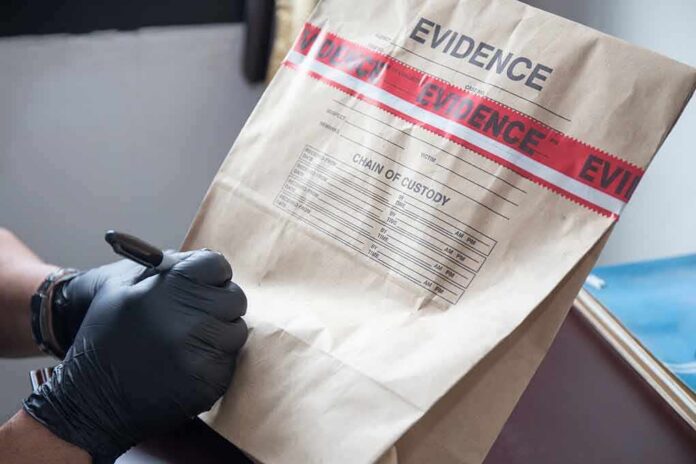
Defense attorneys pressed the chain-of-custody and completeness of the investigation. A former evidence specialist testified about a blood stain on a bathroom door frame that was logged but later could not be located for testing, a lapse the defense argued could have helped test alternate theories. Local coverage also highlighted testimony about bedding and other items that were collected but not tested, as well as questions about why Hedgepeth’s cellphone was not swabbed for DNA.
The defense also questioned how analysts interpreted mixed DNA results and whether some findings merely “included” the defendant as a possible contributor rather than naming him as the sole source. Such arguments aimed to create doubt about who left which DNA, when it was deposited, and what it proved about the attack itself. Despite these critiques, the panel found the state’s total evidence persuasive beyond a reasonable doubt.
Why This Case Resonates Beyond One Trial
This case shows how modern policing leans on lab science while everyday systems still make costly mistakes. Genetic genealogy can break long-dead ends, but missing samples and untested items feed distrust on both the left and right about government competence. When a logged blood stain vanishes, it feels like the system shrugs at its own rules, even in a death case. That gap erodes faith that justice is careful, not just forceful.
What Readers Should Watch Next
Appeals will likely probe evidence handling, mixed DNA calls, and whether untested items mattered to the verdict. Citizens should watch for clear documentation: what was collected, how it was stored, and why some items were not tested. Strong cases do not fear sunlight. When the state can show careful steps and tight records, people gain trust. When it cannot, both the guilty and the innocent lose, and communities carry that cost into the next case.
Sources:
yahoo.com, sandiegouniontribune.com, abc11.com, newsobserver.com, wral.com, clickorlando.com