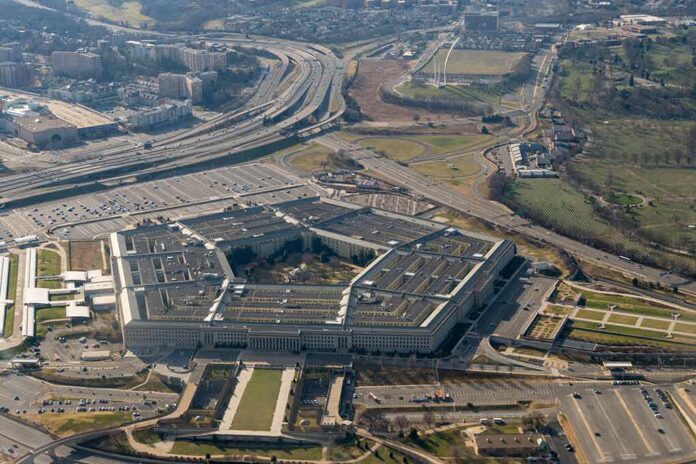
Defense Secretary Pete Hegseth removed Lieutenant General Brett Sylvia from the Pentagon’s Joint Staff after an investigation tied him to alleged classified leaks about Iran and Ukraine.
Story Highlights
- The Pentagon says an investigation found alleged leaks by a senior Joint Staff planner.
- Officials linked the case to sensitive topics, including Iran and the war in Ukraine.
- The matter was referred to the Department of Justice for potential action.
- Reports say Sylvia failed multiple polygraph tests during the inquiry.
Pentagon Removes Joint Staff Strategist After Leak Probe
Defense Secretary Pete Hegseth fired Lieutenant General Brett Sylvia, the director for strategy, plans, and policy on the Joint Chiefs of Staff, following an inquiry into alleged classified disclosures. Pentagon officials said the case involves sensitive information tied to planning on Iran and the Russia-Ukraine war. Spokesman statements linked the removal to an investigation run by the Air Force’s special investigators and said the results were serious enough to warrant immediate action.
Officials said the Department of Defense referred the matter to the Department of Justice for possible criminal review. That step signals the Pentagon views the alleged disclosures as more than a workplace rule issue. It also indicates the case could move from internal discipline to federal prosecution. Pentagon sources told multiple outlets the firing responded to alleged leaks to the media, though public filings have not yet detailed the documents or dates in question.
What The Investigation Reportedly Found
Coverage by major outlets reported that Sylvia failed three polygraph tests during the probe, according to Pentagon officials who spoke on background. Those accounts also tied the alleged disclosures to ongoing military planning. The United States has been preparing for possible action involving Iran while also supporting Ukraine’s defense, which raises the stakes for any information breach tied to operations, timing, or intelligence sources. One outlet said the initial Pentagon statement did not list reasons, but later guidance cited alleged leaks.
Officials have not released the underlying evidence or the specific materials at issue. That is common in active national security cases. A referral to the Department of Justice allows federal investigators to decide whether criminal statutes apply. Administrative actions, such as removal from a post or loss of clearance, can occur even if a case never results in a charge. The Pentagon described the internal probe as “extensive,” underscoring the seriousness with which leaders treated the findings.
Why This Matters Beyond One Officer
This episode shows how the government handles alleged leaks at the highest levels. Senior leaders say they must stop disclosures that could risk troops or spoil plans. Many citizens, across the political spectrum, worry that insiders leak for advantage, spin, or to undermine elected leaders. A firm response fits long-standing calls to tighten control over secrets and to end selective leaking that confuses the public and weakens trust in government performance.
The Pentagon said the firing of Army Lt. Gen. Brett Sylvia was necessary “to protect sensitive information.”
One of Sylvia’s colleagues said the general has denied that he leaked classified information but has had interactions with journalists. https://t.co/gw8J0B2hBJ pic.twitter.com/9OEVgt2mkA
— The Washington Post (@washingtonpost) October 29, 2026
The case also highlights how internal tools, like polygraph exams, are used in security investigations. Courts treat lie detector results with caution, but agencies still use them to guide clearance and discipline decisions, especially when evidence is sensitive or hard to expose publicly. If the Department of Justice pursues charges, the legal process will test the facts. If not, the removal still signals that leak enforcement remains a top Pentagon priority.
Sources:
airforcetimes.com, washingtonexaminer.com, aljazeera.com, cbsnews.com, abcnews.com