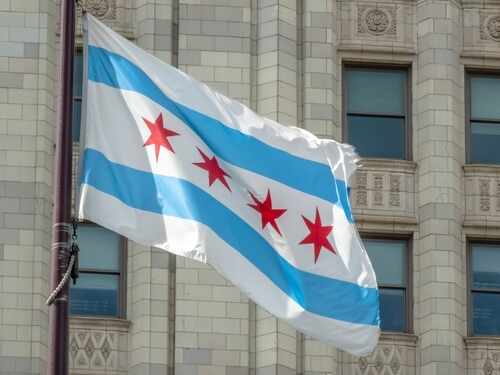
Chicago city leaders just imposed the highest hotel tax of any major American city—a staggering 19% on downtown rooms—claiming it will somehow attract more visitors while driving up costs for tourists and convention planners already fleeing the city’s notorious expense burdens.
Story Snapshot
- Chicago’s downtown hotel tax jumped from 17.5% to 19% in 2026, making it the highest major-city rate in U.S. history
- The 1.5% hike generates $40 million annually, doubling Choose Chicago’s tourism marketing budget for convention competition
- Industry experts call the strategy “ludicrous,” warning higher costs will deter planners already burdened by Chicago’s union fees
- The tax increase places financial burden entirely on visitors while local taxpayers remain unaffected
Government Doubles Down on Failed Tax Logic
Chicago aldermen approved raising the downtown hotel tax to 19%, a 1.5-percentage-point increase designed to funnel $40 million annually into Choose Chicago, the city’s tourism promotion agency. City leaders frame this as an essential move in an “arms race” with convention rivals like Las Vegas and Orlando. The entire $40 million bypasses infrastructure needs or general budget relief, instead doubling the marketing budget for an agency tasked with attracting conventions. This represents classic government overreach—raising costs on hardworking Americans and businesses to fund promotional campaigns rather than addressing the underlying problems that make Chicago uncompetitive in the first place.
Real Costs Hit Tourists and Convention Planners Hard
The tax hike adds immediate costs to every hotel stay in downtown Chicago, with tourists and business travelers bearing the entire burden. Convention planners now face even steeper total costs when calculating attendee expenses, layering this 19% tax onto already notorious union fees at venues like McCormick Place. CPA Chris Amundson blasted the policy as “ludicrous,” pointing out that planners prioritize total attendee costs when selecting cities. Higher prices don’t attract visitors—they repel them. This tax follows a troubling 2026 national trend of lodging tax increases in Hawaii, Colorado, and elsewhere, shifting fiscal burdens from local taxpayers onto visitors. Chicago’s approach ignores infrastructure strain and doubles down on marketing spending, gambling that promotional campaigns can overcome price resistance.
Marketing Millions Won’t Fix Structural Problems
Chicago’s convention market suffers from structural cost disadvantages that no marketing budget can overcome. McCormick Place requires union labor for basic setup tasks, inflating operational costs far beyond competitor cities. Choose Chicago’s doubled budget aims to outbid rivals for major events, but this strategy assumes price-insensitive customers—a dangerous miscalculation when planners shop for value. The city’s decision to earmark funds exclusively for marketing rather than reducing operational costs or improving infrastructure reveals misplaced priorities. Throwing taxpayer-funded dollars at promotional campaigns while ignoring the root causes of declining competitiveness exemplifies government’s tendency to treat symptoms rather than diseases. Critics warn this could backfire spectacularly, reducing room bookings and ultimately shrinking the revenue base the tax was meant to expand.
Fiscal Mismanagement Disguised as Economic Strategy
This tax hike reflects the kind of fiscal mismanagement that frustrates everyday Americans who understand basic economics better than their elected officials. City leaders claim they need more marketing money to compete, yet they’ve created an environment where Chicago hotels charge the highest major-city tax rate in America. The logic collapses under scrutiny: making your product more expensive doesn’t increase demand unless you’re selling something unique and irreplaceable. Chicago isn’t. The policy spares local taxpayers while extracting maximum revenue from visitors, a politically convenient but economically questionable approach. Long-term implications remain uncertain—doubled marketing might attract conventions if Choose Chicago executes flawlessly, but the risk of reduced occupancy from sticker shock looms large. This gamble with other people’s money typifies government decision-making detached from market realities and accountability.
Sources:
Increase in Hotel Tax to Boost Chicago Tourism