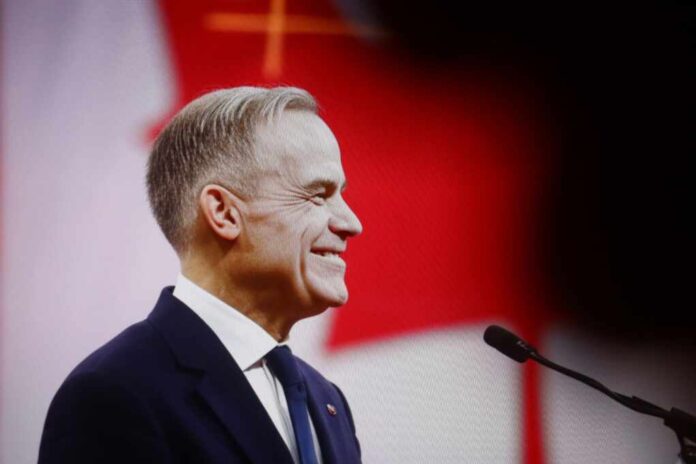
Carney heads to Germany to shore up energy, defense and clean‑tech partnerships as a buffer against U.S. tariff escalation.
At a Glance
- Canadian Prime Minister Mark Carney is traveling to Germany to expand cooperation in areas including critical minerals, clean energy, and defense.
- The effort seeks to reduce Canadian economic dependence on U.S. trade amid threatened or ongoing U.S. tariffs.
- Germany values Canadian rare earth elements for its clean energy transition and military needs—offsetting overreliance on Russian gas and Chinese minerals.
- Carney is scheduled to meet Chancellor Friedrich Merz to advance the 2022 Hydrogen Alliance and broader collaboration including Ukraine and transatlantic economic ties.
- Despite tensions over tariffs, President Trump referred to Carney as “a good person,” reflecting a temporary tone of personal goodwill.
Canada’s Strategic Shift Toward Germany
Canada’s decision to send Prime Minister Mark Carney—along with senior ministers overseeing trade, defense, and industry—to Germany reflects a clear strategy to diversify its international partnerships amid escalating U.S. tariff pressures. Facing threats on sectors like steel, aluminum, automotive, and others, Canada recognizes the strategic imperative of seeking alternative economic alliances.
Germany, as the EU’s largest economy, stands as a pivotal partner. Canadian rare earths are crucial for Germany’s clean energy transition and military modernization—particularly as it works to reduce dependence on Russian gas and control Chinese critical-mineral exposure.
Watch now: Canada and Germany slam Trump’s automotive tariffs, warn of …
Germany’s renewed focus on transatlantic ties is increasingly aligned with Canadian interests. The two nations are framing their collaboration as part of a broader geopolitical realignment, highlighting the vulnerability of current supply chains and the need to “future-proof” both economic and defense capacities.
Carney’s Visit: Building on the Hydrogen Alliance and Beyond
Carney is expected to meet Chancellor Friedrich Merz, building on the 2022 Canada‑Germany Hydrogen Alliance. The agenda extends beyond energy cooperation to include defense industrial collaboration and mutual backing for Ukraine’s sovereignty. Both leaders are expected to endorse further joint investment vehicles and expand agreements that secure supply chain resilience across the Atlantic.
The meeting comes as part of Canada’s longer-term shift to deepen trade and security cooperation with Europe. Officials have emphasized that strategic diversification is no longer optional, particularly as global supply chains remain under pressure and U.S. policy veers toward protectionism. Germany’s recent push to expand its defense capabilities and domestic energy production provides fertile ground for collaboration.
Diplomatic Posturing Amid Trade Turbulence
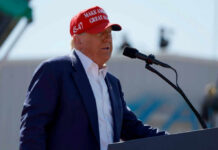
Despite the clear strategic friction over trade, President Donald Trump struck a surprisingly conciliatory tone when referencing Carney, calling him “a good person” during a recent press briefing. The remark follows a wave of tariffs targeting Canadian canola, aluminum, and autos, triggering sharp rebukes from Ottawa but little change in policy direction from Washington.
Nonetheless, Canadian officials interpret the comment as a possible signal of personal rapport, even if substantive relief on tariffs remains elusive. Meanwhile, both Berlin and Ottawa are accelerating efforts to insulate their economies and reconfigure global partnerships, signaling that long-standing assumptions about North American trade interdependence may no longer hold.
Sources