New York City now demands multiple IDs to shovel snow for pay—while insisting most voters shouldn’t have to show any ID at all.
Quick Take
- NYC’s sanitation agency recruited emergency snow shovelers ahead of a rare blizzard warning, but required photos, multiple IDs, and a Social Security card.
- The city’s voting rules generally do not require photo ID for most registered voters, fueling fresh debate over “ID for work, not for voting.”
- Officials expected a major storm with roughly 19–24 inches of snow and wind gusts up to about 55 mph, prompting a state emergency declaration.
- The program offers per-diem pay reported at $19.14 to $28.71 per hour for heavy labor clearing key public walkways and access points.
NYC’s Emergency Shoveler Call Came With a Paperwork Wall
NYC Department of Sanitation recruitment for temporary, per-diem snow shovelers was announced as a major nor’easter approached and the city faced its first blizzard warning in nearly a decade. The requirements described in reporting were specific: applicants were told to bring two small photos, two original forms of identification plus copies, and a Social Security card. The job is paid, physically demanding work, and the city framed it as part of a rapid mobilization.
NYC’s snow shoveler program is not new in concept. The sanitation department has historically used per-diem labor during major storms to clear priority areas like bus stops, crosswalks, fire hydrants, and step streets—spots that can become dangerous quickly when snowfall piles up. What made this particular recruitment stand out was the unusually explicit and layered identity documentation at a moment when the city’s leadership has defended looser identification expectations in other civic contexts.
A Blizzard Warning, a State Emergency, and a Mayor’s “Collectivism” Pitch
The timeline in reporting centers on a Saturday push ahead of the weekend storm. New York Gov. Kathy Hochul declared a State of Emergency as forecasts pointed to a high-impact system, and city leaders prepared for heavy accumulation and strong winds. Mayor Zohran Mamdani publicly urged New Yorkers to help, with coverage noting he appealed to a sense of shared responsibility. City operations emphasized readiness and staffing, but officials did not publicly detail how many shovelers had signed up.
Forecast details cited in coverage described a serious winter threat: roughly 19 to 24 inches of snow and wind gusts up to about 55 mph. That combination is the kind that can immobilize neighborhoods, complicate emergency response, and make sidewalks and curb cuts hazardous for seniors and people with disabilities. Under those conditions, speed matters. The practical question, which the available reporting does not answer, is whether the paperwork requirements slowed onboarding or discouraged otherwise willing workers.
The Voter ID Contrast Is the Political Flashpoint
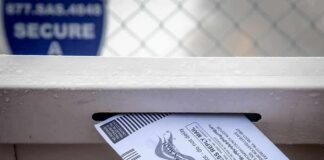
The controversy is less about verifying workers for a paid public job—most Americans expect employment eligibility checks—and more about what critics see as an obvious double standard. Reporting highlighted that most registered voters in New York City generally do not need to show identification at the polls. For first-time voters, the system can rely on minimal information such as a driver’s license number or the last four digits of a Social Security number, and affidavit ballots can be used in certain situations.
From a conservative perspective rooted in election integrity and basic administrative consistency, the comparison writes itself: if city government can require multiple IDs for a temporary, manual-labor position, it undercuts claims that showing ID to vote is inherently unreasonable. The reporting does not include formal expert analysis or updated citywide data on fraud or disenfranchisement, so conclusions should stay limited to what’s documented here: NYC plainly treats identity verification as normal for paid work while maintaining far looser norms for voting.
What the Reporting Confirms—and What Still Isn’t Known
Two outlets with different styles broadly aligned on the key facts: the sanitation department’s ID and photo requirements, the pay range for shovelers, the blizzard warning context, and the basic contrast with NYC’s voting procedures. One outlet noted the city did not respond to an inquiry about the program, leaving unanswered questions about implementation—how many people applied, how long processing took, and whether requirements were later adjusted as conditions worsened. Those operational details will matter when assessing effectiveness.
For now, the episode functions as a sharp case study in how progressive-run cities balance “access” arguments against basic verification. When government needs to cut checks for hourly work and manage liability during a storm, it demands hard proof of identity and eligibility. When the subject shifts to elections, the same leaders often argue that ID expectations are burdensome. Conservatives will likely keep pointing to this moment as a practical, real-world rebuttal—one rooted in city policy choices, not theory.
Sources:
Mamdani, NYC Asks For Photo ID To Shovel Snow, Jokes Write Themselves
NYC seeks emergency snow shovelers for blizzard, requires IDs not needed to vote