The Supreme Court paused a lower-court block and let Big Bend border construction restart, signaling speed over red tape while the case continues.
Story Snapshot
- Supreme Court stayed an injunction, allowing Texas Big Bend wall work to resume.
- Justices pointed to Congress giving Homeland Security power to waive environmental laws.
- Order cites the government’s “compelling interests” in border security and integrity.
- Ruling is temporary; the lawsuit over waiver authority still moves forward.
What The Court Did And Why It Matters Now
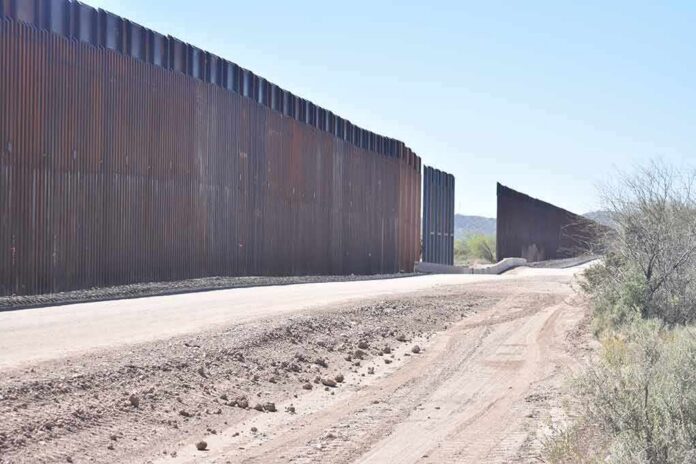
On November 9, 2026, the Supreme Court stayed a district court injunction that had halted border-barrier and road construction in the Big Bend region of Texas. The unsigned order allows work to continue while the lawsuit proceeds. The Court described how the injunction delayed construction and blocked the government from advancing its “compelling interests” in border security and integrity. This is an interim step, not a final ruling on the project’s legality, but it immediately changes the on-the-ground timeline.
The order leans on what Congress already wrote into law. Reporting on the decision explains that Congress gave the Homeland Security Secretary authority to waive environmental and similar protections to speed border construction. The Court’s language highlights Congress’s “clear preference for expeditious border construction over the very harms respondents assert”. That framing narrows what lower courts can do when the executive says fast construction is needed for security.
The Legal Lever: Waivers And Limited Court Review
Coverage of the ruling says federal law sharply limits judicial power to step in when the administration deems quick work necessary. The stay signals that, at least during construction, courts should be cautious about second-guessing those determinations. At the same time, the order is temporary. It does not settle whether the government’s waivers were valid or whether the agency stayed within its legal bounds. Those core questions remain for later briefing and possible review.
The government describes the Big Bend effort as part of a larger border-security buildout, including barriers and roads across roughly 300 miles within a sector that spans more than 500 miles of the southern border. The scope underscores why speed, cost, and trade-offs are under the microscope. But the public record in these reports does not pin down precise segment maps, waiver documents, or sector-specific security data, which limits outside scrutiny of need and design.
The Fight On The Ground: Security Goals Versus Landscape Costs
Environmental groups and local voices warn that work will scar desert mountains, harm wildlife habitat, and disrupt the Rio Grande corridor. They argue that bulldozers and blasting could cause irreversible damage in and around Big Bend and threaten historic and cultural sites, including a fragile adobe church in Ruidosa. Critics also say the area has relatively low illegal crossings and that surveillance technology would be a better and cheaper tool than walls in this terrain.
The Supreme Court cleared the way Monday for the Trump administration to resume border wall construction in the Big Bend region of Texas, a blow to bipartisan opponents who had argued the project is a waste of money that threatens the unique landscape. https://t.co/tZFkU6wIi2 pic.twitter.com/8KecfEcXUL
— Houston Chronicle (@HoustonChron) November 10, 2026
Backers of construction point to national security and border integrity. The Court’s order notes those interests and treats delay as a harm to the government’s mission. For many Americans, this lands in a familiar place: Washington reaches for sweeping powers, says the crisis cannot wait, and then asks people on the ground to live with the fallout. Both sides distrust the system—one side sees failure to enforce the law; the other sees rules bent for speed with little voice for locals.
What To Watch Next
Expect fast-moving filings over the exact legal waivers and the record behind them. Watch for the release of Department of Homeland Security documents that show where, why, and how waivers were used, and what evidence supports urgency in Big Bend. The Supreme Court could later decline full review, which would end this stay, or take the case and set wider rules for these waivers. Until then, construction continues, costs rise, and trust in federal decision-making remains strained.
Sources:
townhall.com, scotusblog.com, texastribune.org, wsj.com, thestate.com, heraldonline.com, fox7austin.com, ksat.com, nytimes.com, npca.org