America is shifting from bombs to bank pressure on Iran, and top officials say it is working.
Story Snapshot
- Secretary of State Marco Rubio says there is no need for more major strikes on Iran, citing the impact of sanctions and a naval blockade.
- President Trump says the war is “militarily effectively over,” signaling a pause in large operations while keeping pressure on Tehran.
- Critics argue sanctions alone rarely force change and warn Iran may wait out pressure without major concessions.
- Both parties face a core test: can coercive diplomacy deliver results without dragging America into another open-ended war?
Rubio Signals a Pause in Major Combat Operations
Secretary of State Marco Rubio told allies in Paris that the United States does not need to resume major strikes in Iran. He said economic sanctions and a naval blockade are hitting hard enough to meet goals right now. Rubio framed the policy as deliberate and results-based, not a retreat. He said President Trump does not need to order large operations because economic tools are achieving the same aims at lower risk and cost to U.S. forces and taxpayers.
President Trump backed that message in Washington. He said the war with Iran is “militarily effectively over,” which suggests no quick return to heavy bombing. He also said American forces remain ready if needed. That means the White House prefers pressure and talks, while keeping the option to strike if Iran crosses red lines. The aim is to hold leverage without sliding into a wider war or endless deployments that drain money and morale.
What This Strategy Looks Like on the Ground
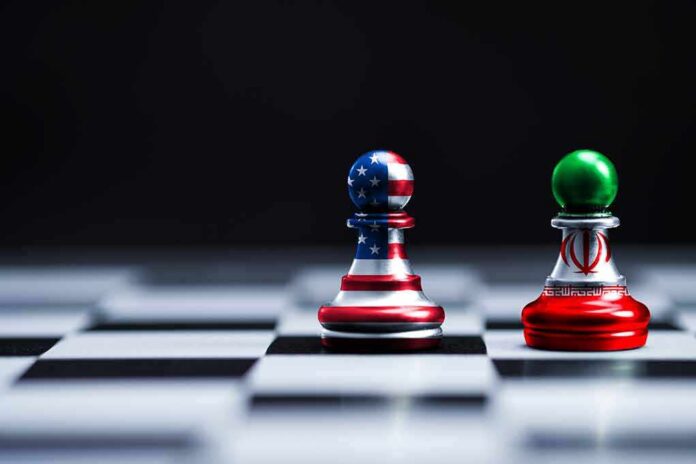
The current approach blends sanctions, a tight naval presence, and diplomacy. Sanctions restrict banking, oil sales, and key imports. A naval blockade limits what gets in and out by sea. Diplomacy seeks a deal but on U.S. terms. Supporters say this mix can weaken Iran’s ability to fund weapons and proxy forces. They argue it lowers risk for U.S. troops and keeps pressure focused on leaders who depend on revenue and trade to sustain the state and its security arms.
This model, often called coercive diplomacy, has a record that is mixed. Large studies find sanctions succeed only about one-third of the time, depending on the goal and how success is defined. Sanctions tend to work best when many countries join in, the target is vulnerable, and the sender pairs pressure with credible incentives or clear penalties. When rivals like China or Russia keep trading, pressure can leak, and the target can adapt and wait out the pain.
Counterarguments and Known Risks
Experts who track Iran warn sanctions alone may not change Tehran’s core choices. A BBC-cited analyst said recent strikes did not alter Iran’s war plans and predicted Tehran would brace for more economic pain while keeping up sporadic attacks. The same analysis argued that without support from China and Russia, the United States may not squeeze Iran enough to force a shift. That gap could leave Washington paying costs without clear gains.
🇺🇸🇮🇷 BREAKING: TRUMP PAUSES FURTHER IRAN STRIKES AMID INTENSIFYING GULF DIPLOMACY
US President Donald Trump has signalled a temporary halt to additional military strikes against Iran following appeals from regional partners.
Qatar and Saudi Arabia have reportedly urged…— Eyeworldnewsdigital (@eyeworldnews444) November 9, 2026
Policy analysts also urge keeping a credible threat of targeted force. They say Iran uses pauses and partial waivers to rebuild and rearm. They recommend staying ready to hit high-value military nodes if needed, but only when necessary and proportionate. That idea seeks a balance: avoid a new ground war, but do not let pressure turn into empty warnings. The goal is steady leverage, fewer surprises, and a path to talks that can be verified on the ground.
Why This Matters to Americans Across the Aisle
Many Americans on the right and left feel Washington wastes money abroad while problems at home grow. A pause in big strikes may sound like common sense to those who fear another costly conflict. Others worry that years of sanctions and standoffs bring risk without a real fix. Both camps see a system that too often protects elites while everyday people pay higher prices and face global shocks. Clear goals and proof of progress will decide trust here.
What to Watch Next
Watch oil flows and shipping trends for signs the blockade is biting. Track any drop in Iran’s revenue or weapons output that U.S. officials can present with evidence. Look for statements from allies in Europe and Asia that show stronger buy-in or growing fatigue. Follow any quiet talks that outline limits on missiles, drones, or proxy attacks. If Iran tests the line, watch how fast and how precisely the United States responds, and whether partners join in.
Sources:
townhall.com, boston25news.com, cdn.iranintl.com, chathamhouse.org, thenationalnews.com