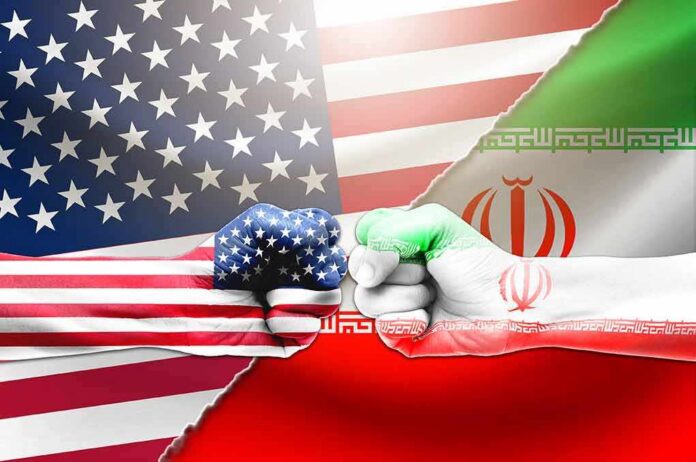
A Fox News military analyst urged President Trump to restart full-scale combat against Iran as U.S. forces step up strikes and mine-clearing in the Strait of Hormuz, raising the stakes for oil flows and regional stability.
Story Snapshot
- Retired General Jack Keane said the U.S. should return to “full-throttle” combat to meet Trump’s goals.
- U.S. forces began mine-clearance prep and are navigating the Strait of Hormuz, with fresh strikes reported in July.
- A planned blockade on traffic to and from Iranian ports started in April after talks failed.
- The push for escalation follows repeated claims that Iran broke or rejected ceasefire terms in the spring.
What Keane Said And Why It Matters
Retired General Jack Keane, a Fox News senior analyst, said the United States should return to “full-throttle” combat operations in Iran. He argued that attempts at a deal have failed and only force can deliver President Trump’s goals. Keane has made similar points on air for months, urging larger strikes on Iranian military and economic targets. His message now lands as Washington ramps up pressure around the Strait of Hormuz and weighs costs to U.S. troops, shippers, and allies.
Keane’s comments track with spring events. After stop-and-go talks, officials said Iran rejected or violated ceasefire efforts, and new attacks followed despite pauses ordered by Trump to test diplomacy. The White House then backed measures to squeeze Iran’s sea lanes. Those steps revived a familiar policy argument in Washington: once talks falter, some say escalation is the only path to restore deterrence and hit core regime assets.
What The U.S. Military Is Doing Now
On April 11, the U.S. military said it began work to remove mines in the Strait of Hormuz. Two American warships navigated the waterway as part of the effort, and President Trump said forces were “clearing” the strait. The U.S. Central Command announced a blockade on April 13 that would apply to ships moving to and from Iranian ports, while stating that transit to non-Iranian ports would not be impeded.
Operations widened again this summer. Reporters tracked fresh U.S. airstrikes in July after a ship incident near the strait, with officials saying the goal was to further degrade Iranian forces. These actions came after earlier aerial campaigns aimed at reopening sea lanes and countering Iranian drones and naval assets. Together, they show a steady military effort that now shapes daily risk for tankers and insurance markets.
Why This Debate Hits Nerves At Home
Americans across the spectrum worry about war costs, oil prices, and a government that seems reactive, not strategic. Many conservatives blame years of weak enforcement and global deals that did not stick. Many liberals fear another open-ended fight that drains funds from needs at home. Both sides see media incentives that reward conflict narratives, and a pattern where leaders frame escalation as the only option once talks stall.
Research on escalation risk warns that fast moves in tense settings can backfire. Analysts list factors that raise danger, such as high political stakes and unclear red lines. They note that force can sometimes compel talks, but it can also trigger wider conflict or more proxy attacks. That tension sits at the center of Keane’s call: his plan promises results through power, but it also raises exposure for U.S. forces and shippers in a crowded war zone.
What To Watch Next
Watch for signs that mine-clearance becomes routine, not episodic. Regular safe transits would lower shipping insurance and spot oil price swings. Look for whether the blockade narrows or expands, and whether allies provide naval cover. Track if Washington sets clear, limited aims—such as defined timelines or targets—and if Tehran tests those lines with drones, mines, or missile shots. Each move will show whether force is restoring order or pulling both sides into a larger fight.
Sources:
mediaite.com, youtube.com, wsj.com, npr.org, reuters.com, nytimes.com, aljazeera.com, understandingwar.org, foxnews.com, foxbusiness.com, media.defense.gov