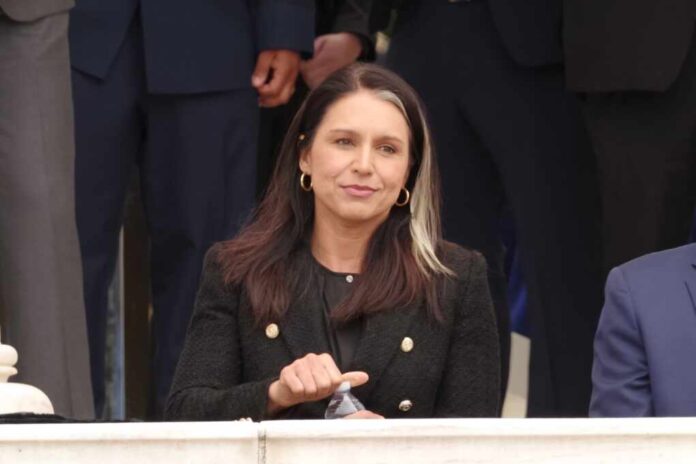
Director of National Intelligence Tulsi Gabbard declassified a controversial GOP-authored report on 2016 Russian interference despite CIA objections, triggering legal probes and internal intelligence backlash.
At a Glance
- Gabbard declassified a 46-page 2017 House GOP report alleging intelligence bias during the 2016 election
- The CIA warned that releasing the report risked exposing sensitive sources and methods
- AG Pam Bondi launched a grand jury investigation following Gabbard’s criminal referral
- The Associated Press and Durham annexes dispute the report’s claims of a coordinated anti-Trump conspiracy
- Intelligence officials privately expressed concern about long-term institutional trust
Internal Rejection, Public Disclosure
In late July 2025, Director of National Intelligence Tulsi Gabbard approved the public release of a House Intelligence Committee report authored in 2017 by Republican lawmakers. The 46-page document criticizes the Obama-era Intelligence Community Assessment, alleging that officials downplayed evidence of Russian hostility to make Donald Trump appear complicit.
Watch now: Tulsi Gabbard releases new documents ‘Exposing’ Obama · YouTube
Gabbard’s decision to declassify the report overrode direct objections from CIA analysts and leadership, who warned that certain passages might compromise intelligence collection practices or reveal covert affiliations. Despite these objections, Gabbard stated the release was necessary for “restoring transparency and accountability.”
Attorney General Pam Bondi responded by initiating a criminal referral and convening a grand jury to investigate potential misconduct by former intelligence and executive branch officials during the 2016 election cycle.
Claims Undermined by Durham and AP
While the declassified report alleges a concerted effort by U.S. intelligence agencies to frame Trump, independent reviews have called its conclusions into question. The Associated Press reviewed the declassified material and found no evidence supporting claims of fabrication or intent to undermine the Trump campaign.
A newly released annex from Special Counsel John Durham’s long-running investigation reinforced the position that Russian operatives sought to influence the 2016 election in Trump’s favor. The annex also confirms that some emails and disinformation cited by Gabbard were, in fact, created or manipulated by Russian intelligence, not U.S. officials.
Both the AP and Durham documents suggest that the GOP report lacks the substantiation necessary to support criminal allegations against prior intelligence officials.
Institutional Strain and Legal Uncertainty
The release has strained internal dynamics within the U.S. intelligence community. Several unnamed officials expressed concerns about Gabbard’s willingness to override agency expertise, citing fears that it may erode trust with foreign intelligence partners. Critics argue that the move could deter intelligence professionals from candidly assessing future election threats.
Simultaneously, the grand jury’s proceedings—backed by Bondi and vocal segments of the House GOP—have drawn criticism from legal analysts who warn of potential politicization of the intelligence oversight process.
As legal actions proceed, and with the 2026 midterms on the horizon, observers anticipate prolonged partisan disputes over the legitimacy of past and future election-related intelligence findings.
Sources