President Trump has escalated public pressure on Iran, linking the movement of a “massive armada” toward the region with a stark ultimatum: accept a verifiable “no nuclear weapons” deal or risk an even larger U.S. military strike. The warning directly references the prior U.S. strikes on Iranian nuclear sites in June 2025, dubbed “Operation Midnight Hammer.” However, Iran’s foreign minister has rejected negotiations conducted “under threat,” signaling a continued deadlock over terms that would require dismantling enrichment or surrendering stockpiles.
Story Highlights
- President Trump publicly tied U.S. naval force posture to renewed pressure for an Iran nuclear agreement that blocks weaponization.
- The warning referenced prior U.S. strikes on Iranian nuclear sites in June 2025 (“Operation Midnight Hammer”) and threatened action “far worse” if talks fail.
- Iran’s foreign minister rejected negotiations “under threat,” signaling Tehran won’t accept terms that require dismantling enrichment or surrendering stockpiles.
- The USS Abraham Lincoln Carrier Strike Group’s reported movement into the Central Command area raises stakes, even as back-channel diplomacy remains possible.
Trump links naval buildup to a “no nukes” ultimatum
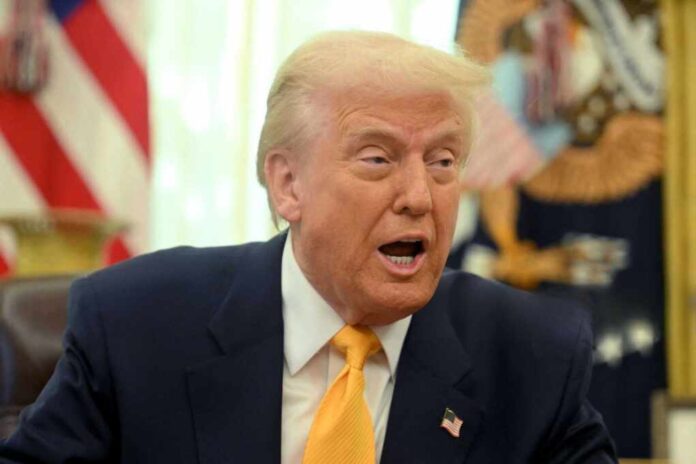
President Donald Trump escalated public pressure on Iran in early 2026 by pairing an offer to negotiate with a blunt deterrent message: U.S. forces are moving, and Iran should accept terms that prevent nuclear weapons. Reports described Trump citing a “beautiful armada” sailing toward Iran while pressing for an agreement. The message followed a Truth Social post warning that the next strike could be worse than June 2025’s attacks on nuclear facilities.
Administration messaging centered on a simple demand—no Iranian nuclear weapon—while leaving less clarity about what level of civilian enrichment, if any, Washington would tolerate. That ambiguity matters because the negotiation deadlock has long been about enrichment and stockpiles: the U.S. side has demanded an end to enrichment and dismantlement, while Iran has insisted it can keep limited enrichment and retain material. Those red lines explain why military posture is being used as leverage.
Trump threatens Iran with a “massive armada” led by the USS Abraham Lincoln, warns the next strike would be “far worse” than Operation Midnight Hammer, and demands Iran “MAKE A DEAL.” pic.twitter.com/NzFyVIuJAd
— The Vivlia (@TVivlia) January 28, 2026
Why “Operation Midnight Hammer” changed the negotiating climate
June 2025’s U.S. strikes on Iranian nuclear sites—described in reporting as “Operation Midnight Hammer” and involving bunker-buster munitions—became the backdrop for every new warning. Trump’s latest threat drew a direct line from that operation to what could come next if Tehran refuses a deal. For Iran’s leaders, that history reinforces claims they are being coerced; for Washington, it underscores a willingness to use force if diplomacy stalls.
The broader context is that negotiations have cycled through deadlines and mixed signals since 2025. Trump’s March 2025 letter to Iran’s supreme leader reportedly proposed talks with a 60-day window and warned of military consequences alongside tougher sanctions. Meanwhile, international monitoring cited by major reporting has pointed to Iran’s expanding uranium stockpiles. With trust low on both sides, each public threat and each rejection hardens positions and increases the risk of miscalculation.
Iran’s response: “no talks under threat,” enrichment remains the red line
Iran’s foreign minister, Abbas Araghchi, rejected what he called diplomacy conducted through threats, and Iranian leadership continued to frame U.S. demands as illogical or unrealistic. Iranian officials have also indicated they have not received a new workable proposal that changes the core dispute over enrichment and material stockpiles. In practical terms, that stance signals Tehran is not prepared to accept a deal that looks like surrendering the nuclear program’s most sensitive elements.
Iran’s security messaging added another layer of risk for the region. Reporting described the Islamic Revolutionary Guard Corps warning neighboring countries against supporting or facilitating a U.S. attack, while regional partners such as Saudi Arabia have been portrayed as wary of escalation and reluctant to be drawn in. With Gulf shipping lanes, U.S. bases, and allied territory all exposed, even “signaling” deployments can ripple into energy markets and security decisions quickly.
What the “armada” signal means for deterrence—and for constitutional accountability at home
Reports tied Trump’s rhetoric to the movement of the USS Abraham Lincoln Carrier Strike Group into the U.S. Central Command area, though the force’s final posture was not always specified. Militarily, a carrier group communicates readiness and can expand options without immediate strikes. Diplomatically, it can tighten the timeline for talks by showing consequences are near, not theoretical—especially after a previous strike campaign already occurred within the last year.
At home, major military moves also bring constitutional questions that matter to conservatives who expect clear objectives, legal authority, and tight limits on open-ended foreign entanglements. Reporting referenced congressional interest in testimony around diplomacy and envoys. The key issue is not partisan theatrics but oversight: Americans can support a strong posture against a hostile regime while still demanding transparency on mission scope, costs, and the conditions that would trigger force.
Watch the report: Trump Says Iran is Ready to Make a Deal as Massive Warships Gather in West Asia
Sources:
- Iranian official rhetoric girds for war as US fleet nears | Iran International
- Trump hardens Iran stance as US Naval ‘Armada’ approaches, keeps door open for talks
- Trump says US ‘armada’ moving towards Iran | Middle East Eye