Following the December 2025 release of the Trump administration’s National Security Strategy (NSS), which included a warning that Europe faces “civilizational erasure,” several controversies over public Christmas displays across Europe have drawn public and political attention. These events, including a non-traditional nativity scene in Brussels, have been cited by conservative commentators in the U.S. as validation of the NSS’s concerns regarding secularism, low birthrates, and migration.
Story Highlights
- The December 2025 National Security Strategy (NSS) from the Trump administration cited mass migration, secularism, and low birthrates as threats leading to potential “civilizational erasure” in Europe.
- Controversies over 2025 public Christmas displays, notably a nativity scene in Brussels featuring faceless figures, drew international commentary.
- European officials defended the new displays as promoting inclusion, while critics viewed them as an intentional removal of Christian symbolism.
- The Trump administration has framed Europe’s political and cultural debates as a cautionary example for U.S. policy on borders, culture, and religious freedom.
Trump Administration’s Warning of Europe’s ‘Civilizational Erasure’
In December 2025, the Trump administration released its National Security Strategy (NSS), which included the claim that Europe is facing “civilizational erasure.” The document attributed this alleged threat to ongoing mass migration, policies promoting secularism, restrictions on political dissent, and consistently low birthrates. It stated that if these trends continue, historic European nations could undergo significant demographic, spiritual, and cultural changes within a generation.
The strategy linked Europe’s challenges to policies that American conservatives believe are being adopted by the U.S. Left, such as open borders and the influence of globalist institutions. The NSS positioned Europe’s situation as both a security issue and a moral warning, emphasizing that a nation may struggle to remain stable or free if it loses its sense of national identity.
Christmas 2025: Nativity Displays and Public Reaction
The debate intensified during Christmas 2025 as a number of European cities introduced revised holiday displays. In Brussels, city officials installed a nativity scene on the Grand Place that rendered the Holy Family as faceless, featureless forms. The display was publicly presented as inclusive artwork intended to avoid giving preference to any single religious faith.
The scene generated substantial public reaction. Some local families and conservative commentators interpreted the faceless figures as a deliberate move away from historical tradition. Reports of vandalism at the Brussels scene followed, reflecting public frustration. The city’s socialist mayor defended the decision by characterizing the display as an effort to “tone down” Christmas, while critics maintained that officials were prioritizing general consumerism and secular winter displays over the foundational religious symbols of the holiday.
Policy Context and Transatlantic Debate
Christian commentators have cited a long-term trend, referencing the early 2000s when European Union (EU) leaders declined to acknowledge Christianity in the proposed EU Constitution, despite appeals from religious figures. This refusal is seen by some as an emblem of a public-sector Europe that seeks to marginalize its Christian heritage, leading to current trends like secular “winter festivals.”
Analysts also connect the cultural shift to Europe’s demographic trends. With birthrates below replacement level, the native-born populations are decreasing, while large-scale migration continues to alter the social and political landscape. Nationalist and right-leaning parties in various European nations, such as Germany’s AfD, argue that government policies are neglecting national renewal and family incentives, leading to cultural tensions. The Trump administration views Europe’s path as an example of the consequences when governments simultaneously undermine religious faith, family structures, and border controls.
Trump administration says that Europe is facing “civilisational erasure”?
U.S. Administration’s Stance and Political Divide
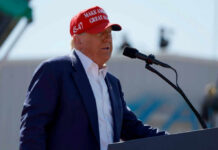
The Trump administration’s second term has used this analysis to inform its foreign policy. The NSS proposes “cultivating resistance” by engaging with European political parties focused on secure borders and cultural self-confidence, in contrast to rule from Brussels. Vice President JD Vance reiterated this message at the Munich Security Conference, where he linked social disruption and security threats to years of elite support for mass migration policies.
European establishment figures publicly criticized the U.S. statements, characterizing them as foreign interference and an attempt to destabilize democratic processes. However, the Trump team maintains it is aligning with the priorities of European voters whose concerns, they argue, have been ignored by their own leaders. A December 12 Christmas message from Donald Trump stated that European leaders now show “listen and respect” for American leadership that addresses issues of faith and national survival. The resulting political division highlights a clear fault line between globalist managers supporting a post-national system and populist movements advocating for national sovereignty, secure borders, and cultural tradition.
Watch the report: Trump’s National Security Strategy warns Europe could face “civilizational erasure”
Sources:
Trump administration warns Europe of ‘civilisational decline’ in new National Security Strategy
Europe’s civilizational erasure happened when it snubbed John Paul II
Trump reveals National Security Strategy for Western Hemisphere and Europe
Cities across Europe revise Christmas traditions, triggering public backlash