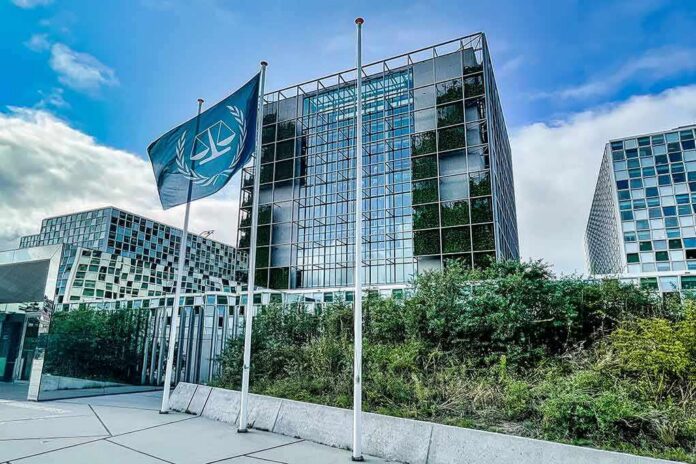
The United States escalated its clash with the International Criminal Court by sanctioning the court’s president and a senior lawyer, sharpening a fight over who gets to judge Americans and allies abroad.
Story Snapshot
- Secretary of State Marco Rubio sanctioned the International Criminal Court’s president and a senior lawyer.
- The State Department is running a campaign to dismantle what it calls a threat to U.S. sovereignty.
- Supporters say sanctions protect Americans and Israel from an illegitimate tribunal.
- Critics warn the move hurts global justice and shows a double standard.
What Washington Did And Who Was Targeted
Secretary of State Marco Rubio announced sanctions on International Criminal Court President Tomoko Akane and senior trial lawyer Abdoulaye Seye. The move blocks property under U.S. jurisdiction and can restrict travel and transactions. The administration framed the step as necessary to stop what it says are improper cases against U.S. personnel and Israeli officials. Reports of the designations and their targets appeared in wire services and government-linked summaries the same day.
The announcement followed a State Department pledge to “dismantle” the court’s threat to American sovereignty. The department listed visa revocations, travel bans, and increased sanctions as tools it would use. The message: the United States will not allow a foreign court it does not recognize to police its soldiers or leaders. The department’s release set the tone for a whole-of-government approach to the court.
How This Fits A Long-Running Sovereignty Fight
The sanctions build on a broader effort by President Trump’s administration to wall off Americans and allies from the International Criminal Court. A 2025 White House order argued the court has no jurisdiction over the United States or Israel because they are not parties to the court’s treaty. That order also authorized blocking assets and restricting entry for court officials tied to probes of U.S. or Israeli nationals.
United Nations human rights experts criticized past and current U.S. sanctions on court officials. They warned that financial and travel restrictions undermine the court’s independence and global investigations into war crimes and crimes against humanity. Their statement framed the measures as harming victims who rely on the court when national systems fail to deliver justice.
Competing Claims About Authority And Double Standards
Supporters of sanctions argue the court overreaches by targeting non-member states and their nationals. They point to the administration’s view that only the United States should judge alleged crimes by its people and that foreign prosecutors lack legitimacy here. The State Department’s campaign language reflects that view, stressing sovereignty and the right to self-govern without outside legal pressure.
Critics counter that the court’s mandate is narrow and lawful. International law scholar Philippe Sands said the court may act in limited cases, such as crimes on the territory of a member state or referrals by the United Nations Security Council. Sands also accused Washington of a double standard, backing the court when it targets rivals but not when it examines allies.
Why This Matters To Americans Across The Spectrum
For many conservatives, the move looks like overdue pushback against global bodies that they believe weaken U.S. control and target allies like Israel. For many liberals, the step looks like an attempt to shield powerful people from accountability and to silence a court built to address the worst crimes. For a growing group in the middle, it feeds a deeper worry that elites fight turf wars while victims and regular citizens see little justice or security.
Rubio imposed sanctions on the ICC's president and senior trial lawyer amid campaign to dismantle the court
ICC said it “strongly rejects” the new sanctions, calling them “a flagrant attack against the independence of an impartial judicial institution.” https://t.co/7JDao8xlZV
— Jennifer Hansler (@jmhansler) August 19, 2026
Sanctions carry tradeoffs at home and abroad. They can protect U.S. troops and officials from foreign legal risk. They can also strain ties with allies that support the court and complicate cooperation on war crimes cases. The administration has signaled it will accept that cost to defend sovereignty. Opponents warn the price will be paid by victims who depend on cross-border justice and by American credibility when calling out abuses elsewhere.
Sources:
diplomacyandlaw.com, newscord.org, apnews.com, state.gov, whitehouse.gov