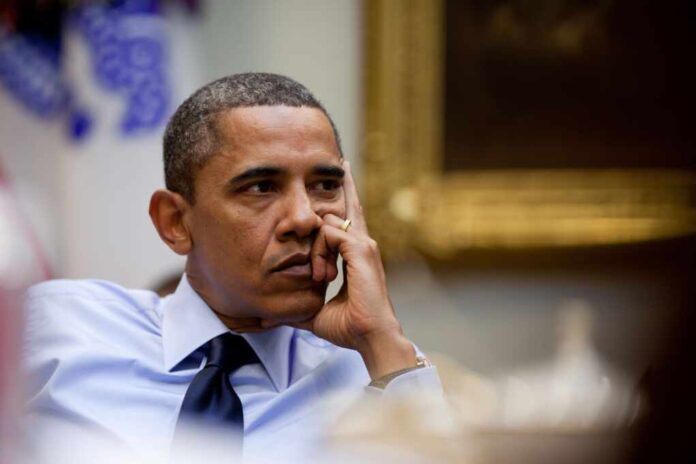
Germany’s Federal Intelligence Service (BND) is embroiled in a new controversy following claims that it wiretapped phone calls made by then-President Barack Obama from Air Force One. These allegations, which stem from a journalist’s podcast, suggest the BND exploited unencrypted communication channels for years. This incident not only exposes technical vulnerabilities in high-level communications but also echoes the 2013 scandal where the U.S. National Security Agency (NSA) was accused of tapping German Chancellor Angela Merkel’s phone, now reversing the roles in this delicate espionage narrative and potentially straining U.S.-Germany relations and NATO cooperation.
Story Highlights
- Germany’s BND reportedly intercepted Obama’s calls over several years.
- Claims stem from journalist Holger Stark’s recent podcast revelations.
- This incident mirrors past U.S. spying on German Chancellor Merkel.
- Allegations could strain U.S.-Germany relations and NATO cooperation.
Germany’s Alleged Wiretapping of Air Force One
Germany’s Federal Intelligence Service (BND) is at the center of a controversy after allegations emerged that it wiretapped phone calls made by then-President Barack Obama from Air Force One. These claims, based on journalist Holger Stark’s podcast, suggest that the BND exploited unencrypted communication channels to intercept calls over several years. This revelation has brought to light the technical vulnerabilities of presidential communications and has highlighted a potential breach of trust between allied nations.
The BND allegedly managed to track Air Force One’s communication frequencies, thereby gaining insights into U.S. strategic decision-making. This was reportedly done without any official mandate, with only a few insiders in Berlin aware of the operations. The allegations have yet to be confirmed by official sources, but if true, they could significantly impact diplomatic relations between the U.S. and Germany.
For anyone who ever thought that Germany is U.S. ally: Chancellor Merkel accused President Obama of spying on her communications. But .., Merkel/BND were spying on President Obama.https://t.co/0ebT3Yj7PC
— Krzysztof Ostaszewski (@krzysioactuary) January 5, 2026
Historical Context and Previous Incidents
The current allegations echo the 2013 scandal where the U.S. National Security Agency (NSA) was accused of tapping German Chancellor Angela Merkel’s phone. At that time, the incident caused a diplomatic rift between the two nations and sparked anti-American sentiments in Germany. In a twist of fate, Germany now faces similar accusations, potentially reversing the roles in this espionage narrative. The previous incident had led to calls for ethical reconsiderations of spying practices among allies.
In light of these new revelations, concerns have been raised regarding the ethics of intelligence gathering among NATO allies. The potential fallout from these allegations could lead to increased scrutiny of signals intelligence practices and might necessitate stronger encryption protocols for high-level communications.
Implications for U.S.-Germany Relations
These allegations, if substantiated, could have both short-term and long-term implications for U.S.-Germany relations. In the short term, they may lead to a diplomatic exchange similar to the one following the Merkel spying incident, where leaders attempt to address and mend the frayed trust. In the long term, this situation raises questions about the ethics of surveillance among allied nations and the necessity of clear communication protocols to prevent such incidents.
The broader impacts may also extend to NATO interactions, where this incident could fuel debates on intelligence-sharing practices and the ethical boundaries of partner surveillance. As the story develops, both countries will need to navigate this delicate situation, balancing national security interests with international diplomatic relations.
Watch the report: Did Germany Spy on Obama?New Book Details Intercepted
Sources:
- German Leader Calls Obama About Alleged Cellphone Tapping
- Germany eavesdropped on some Obama calls from Air Force One, book says – The Washington Post
- German secret service allegedly wire-tapped US President Obama for five years – Brussels Signal