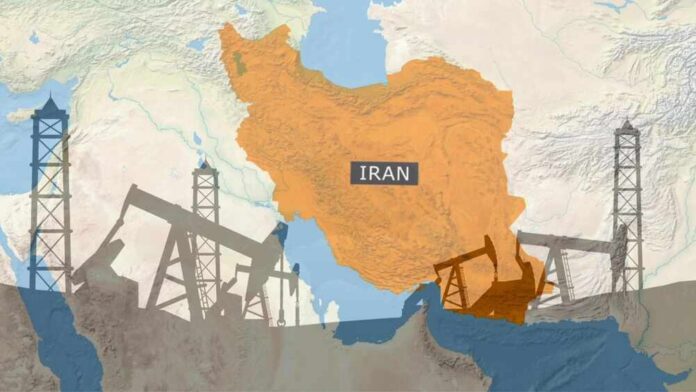
Washington quietly greenlit Iranian oil sales for 60 days, gambling cheaper gas against fresh cash for Tehran.
Story Snapshot
- Treasury waives Iran oil sanctions and related services for a limited window [1][4].
- Markets expect more supply; Brent slipped on the headlines [7].
- Officials say waivers ease energy strains; legality fights loom [2].
- Real volumes face limits from Hormuz risks and short timelines [7][4].
What the waiver does and how it works
New reporting says a United States–Iran memorandum directs the Treasury Department to grant waivers for Iranian crude, petroleum products, and related services such as banking, insurance, and shipping. Reuters describes it as a temporary pass that lets Tehran sell oil and get paid, with a target to fold terms into a final deal within about 60 days [1][4]. An earlier Treasury license shows how such tools work in practice by authorizing specific Iran‑origin oil transactions for a set period [8].
Administration voices pitch the move as relief for tight energy markets and a reset after older sanctions lost bite. The Hill quotes Vice President Vance saying the White House is confident it can issue temporary waivers without Congress and argues earlier penalties had stopped working as intended [2]. That stance frames the waiver as a market valve, not a policy surrender. Still, the clock is short and tied to a broader peace track, which raises real durability questions [4].
Why prices dipped and what could change next
Bloomberg’s market desk linked a drop in Brent crude of roughly one and a half percent to signs that Iranian barrels could return under the waiver. Analysts on air said easing United States sanctions and more tanker movement through the Strait of Hormuz would add supply and pressure prices [7]. If Iran can push out one to two million barrels a day, as some expect, that would be material. But that figure is an estimate, and execution depends on buyers, ships, insurance, and payment channels actually engaging [7].
Physical constraints still bite. Bloomberg noted tanker traffic through Hormuz remains far below pre‑war flows, which caps how much oil can move even if contracts clear [7]. Reuters says the draft understanding ties waivers to reopening Hormuz and lifting a United States naval blockade within about 30 days, which would help logistics if fulfilled on time [4]. Until those lanes are safe and insured, traders may treat the waiver as a near‑term bump from stored or at‑sea barrels rather than a sustained surge.
Legal fight at home, leverage abroad
Capitol Hill resistance is likely. Lawmakers may argue the Iran Nuclear Agreement Review Act limits large sanctions changes without Congress. The vice president counters that temporary waivers fit within executive authority, at least for now [2]. That legal gray zone matters. If politics turn, Treasury could narrow or yank permissions fast. That risk will make refiners, shippers, and banks cautious when signing longer contracts tied to Iranian supply.
There is also a leverage play. Reuters reports the waiver sits inside a 60‑day framework that includes security steps and shipping access [4]. If Iran meets terms, relief could extend; if not, sanctions could snap back. That setup can move some oil now while keeping pressure on talks. But it also hands Tehran short‑term revenue that can outlast a failed deal. For conservatives, that tradeoff is the core concern: do not bankroll a regime that targets our allies and undermines stability.
What this means for your wallet and energy security
Near term, a modest oil price dip can ease gasoline costs at the margin. Bloomberg’s team suggested prices could test lower levels if more barrels show up, though many forces still drive pump prices, including rates, taxes, and refinery issues [7]. Any savings will be uneven and could reverse if the deal falters or if missiles and mines close lanes again. Price relief built on a 60‑day waiver is real but fragile, not a fix for energy independence.
Oil prices retreated as a temporary #US sanctions waiver on Iranian crude and a recovery in tanker traffic through the Strait of Hormuz eased concerns over global supply disruptions. #Forbes
For more details: 🔗 https://t.co/USaXiu8tKV pic.twitter.com/NWJA07lOmD
— Forbes Middle East (@Forbes_MENA_) June 22, 2026
Common‑sense guardrails are clear. First, publish the new Treasury guidance in full so businesses and voters know the scope and end date. Second, track the actual volumes shipped and who is buying. Third, keep military deterrence strong to reopen and secure Hormuz. Fourth, expand American supply and refining capacity at home, where jobs, safety, and the Constitution are not up for negotiation. Waivers come and go; reliable American energy should not.
Sources:
[1] Web – Oil falls as US waives Iranian crude sanctions
[2] Web – U.S. Will Waive Oil Sanctions That Have Long Crimped Iran – ny times
[4] Web – US to Let Iran Oil Sanctions Waiver Expire Amid Blockade – Bloomberg
[7] Web – US extends sanctions waiver on Russian oil: Why it matters
[8] YouTube – Oil Slumps | Horizons Middle East & Africa 6/22/2026