A recent indictment against Venezuelan President Nicolás Maduro is facing significant legal challenges that threaten to unravel the case, sparking considerable debate, particularly within conservative political circles. The controversy centers on alleged jurisdictional flaws and the potential overreach of U.S. law on foreign soil, with critics, including former Judge Andrew Napolitano, suggesting the legal framework is fundamentally flawed and likely to lead to dismissed charges. This situation revives historical debates, notably paralleling the capture of Panamanian leader Manuel Noriega, and raises critical questions about national sovereignty and the future of U.S. foreign policy.
Story Highlights
- Judge Andrew Napolitano critiques the indictment’s legal foundation as weak and problematic.
- Firearms charges are expected to be dismissed due to invalid statutes and jurisdictional issues.
- The case parallels the controversial Noriega capture, with potential implications for U.S. foreign policy.
- Maduro’s indictment raises questions about the limits of U.S. judicial reach on foreign soil.
Napolitano’s Critique of the Indictment
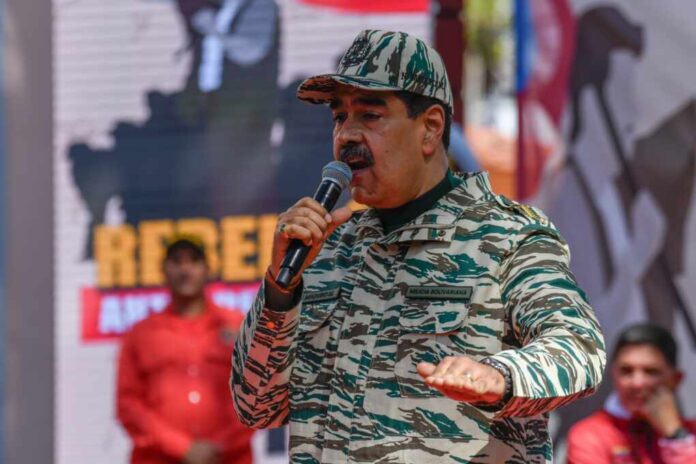
Former Judge Andrew Napolitano has publicly criticized the U.S. federal indictment against Nicolás Maduro, suggesting that the legal framework is fundamentally flawed. He points out that the charges, particularly those related to firearms, are likely to be dismissed due to jurisdictional issues. This critique highlights a core concern for conservatives: the potential overreach of U.S. laws on foreign affairs, which could set a worrying precedent for judicial activism beyond American borders.
Napolitano’s comments also underscore the challenges of applying U.S. gun laws to actions that occurred outside the country, such as Maduro’s alleged possession of firearms in Caracas, which is legal under Venezuelan law. This aspect of the case draws attention to the broader implications of extraterritorial jurisdiction and its potential conflicts with national sovereignty, a topic that resonates with those advocating for limited government intervention.
"He's looking at incarceration for the rest of his life."
Judge Andrew Napolitano analyzed the charges against ousted Venezuelan leader Nicolas Maduro on Monday's "National Report." @Judgenap @ShaunKraisman pic.twitter.com/YkTBkattom
— NEWSMAX (@NEWSMAX) January 5, 2026
Historical Context and Legal Challenges
Maduro’s legal troubles date back to 2020 when the Southern District of New York (SDNY) first indicted him for narco-terrorism and cocaine trafficking. The recent capture and extradition to the U.S. have reignited debates over the legitimacy of such legal actions. The indictment’s expansion to include Maduro’s wife, Cilia Flores, further complicates the matter, raising issues of family involvement in criminal enterprises and the scope of U.S. prosecutorial powers.
The case draws parallels to the 1989 capture of Panamanian leader Manuel Noriega, where U.S. forces seized a foreign head of state under similar charges. This historical precedent raises questions about the legality and ethics of such actions, particularly under conservative values that prioritize national sovereignty and cautious foreign intervention. The case also tests the limits of the “Ker-Frisbie” doctrine, which allows for the trial of individuals abducted from foreign territories.
Potential Implications and Political Reactions
The implications of this case are significant both in the short and long term. In the immediate future, it may lead to procedural delays if the defense’s motions succeed, while also sparking international political backlash over the perceived “invasion” of Venezuelan sovereignty. Long-term, it could establish a precedent for the U.S. to pursue foreign leaders under similar circumstances, although this approach risks expanding claims of immunity and potentially necessitating Supreme Court intervention.
The political reactions in the U.S. are stark. Conservatives who support decisive action against narco-terrorism may view the indictment as a necessary step in combating international drug trafficking. However, those concerned with constitutional adherence and judicial overreach might see this as an excessive use of American judicial power, potentially infringing on foreign sovereignty and setting a dangerous precedent.
Watch the report: Maduro is looking at incarceration for rest of his life: Judge Andrew Napolitano
Sources:
- Judge Napolitano Critiques Maduro Indictment
- Judge Napolitano to Newsmax: Maduro Capture Won’t Matter in Court