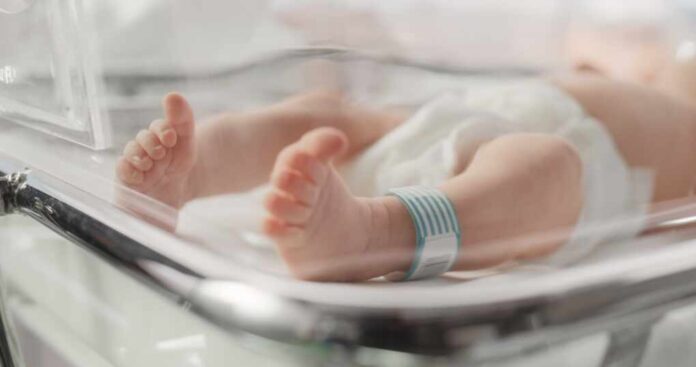
Britain’s Labour government is facing a fresh political storm following reports of secret ministerial talks proposing to expand the nation’s core digital ID scheme to newborns, mirroring models seen in countries like Estonia. While the official 2026 digital ID rollout is mandatory only for right-to-work checks, the rumored expansion—linking IDs directly to birth registration—has sparked an immediate and fierce privacy backlash. Conservatives have seized on the unconfirmed plan, decrying it as a sinister surveillance creep and questioning its relevance to core immigration control goals, all while American observers watch warily for signs of “globalist pressures” encroaching on individual freedoms.
Story Highlights
- Secret ministerial talks propose linking UK digital IDs to newborn birth registrations, mimicking Estonia’s model.
- Tories blast the idea as irrelevant to immigration control, questioning “what do babies have to do with stopping the boats?”
- Core digital ID rollout confirmed for 2026, mandatory only for right-to-work checks amid post-Brexit border security push.
- Unconfirmed rumors fuel privacy backlash, echoing past failed UK ID card schemes scrapped for overreach.
Rumors Emerge from Secret Meetings
Early January 2026 reports from The Times revealed private Labour ministerial discussions on expanding the UK’s digital ID scheme to newborns. Officials drew inspiration from Estonia, where unique IDs issue at birth registration. The proposal links ID issuance directly to birth records, raising alarms over government tracking from cradle onward. Conservatives seized the moment, with Shadow Cabinet Office Minister Mike Wood decrying it as disconnected from immigration goals. This unconfirmed plan revives debates on civil liberties erosion.
EXC. Newborn babies could be given Digital ID in 'sinister' plan discussed privately by ministers https://t.co/4khWu49yIp
— Martin Beckford (@martinbeckford) January 1, 2026
Historical Push for Digital Control
UK digital ID efforts stem from post-Brexit immigration controls, reviving the 2006 ID card initiative abandoned in 2010 over privacy outcries. Labour’s current scheme builds on GOV.UK Wallet and digital driving licences, announced in September 2025 for nationwide 2026 rollout. Prime Minister Keir Starmer positions it as a tool for border security and service efficiency. Phone-based wallets store biometrics like name, date of birth, nationality, and photo, mandatory solely for right-to-work verification to curb illegal migration. Inclusivity measures target non-digital users such as the homeless and elderly.
Stakeholder Clashes and Political Attacks
Labour ministers privately pitched the newborn extension, citing global precedents in India, Ghana, Angola, and Brazil for registration ease. Tories counter that it threatens privacy and strays from core immigration enforcement. Wood’s pointed critique highlights the absurdity of infant IDs in “stopping the boats.” Public consultation looms on details like biometric inclusion and address data, with a federated model avoiding single databases akin to Norway, Finland, and Australia’s voluntary MyID. Power rests with Starmer’s Home Office amid ideological divides.
Government statements emphasize voluntariness except for employment checks, with encryption protecting data. Starmer claims it toughens penalties on illegal work while benefiting citizens through streamlined services like welfare and licences.
Implications and Analyst Views
Short-term, the scheme promises reduced forgery and faster compliance; long-term, it risks surveillance expansion if newborn rumors solidify. Affected groups span UK residents gaining free access, employers facing enforcement, and families potentially onboarded at birth. Economic upsides include service savings; social costs involve privacy fears and divides. Biometrics analysts affirm precedents aid onboarding but stress UK’s immigration focus. Chatham House’s Rowan Wilkinson calls plans insufficient, while IBAnet flags mandatory checks raising rights issues. Tories frame it as sinister overreach incompatible with British character.
Across the pond in President Trump’s America, we celebrate victories over open borders and government bloat—yet watch Europe’s digital experiments warily, lest woke globalism inspire similar encroachments on family freedoms and individual rights.
Watch the report: Newborns could be given digital IDs in expansion of Labour policy
Sources:
- Rumored Plan to Expand UK Digital ID to Newborns Gives Tories Chance to Attack
- New digital ID scheme to be rolled out across UK
- United Kingdom Announces Nationwide Digital ID Scheme