A 22-year-old college athlete was shot dead by police minutes after a 911 call about a possible break-in at a Pennsylvania home, and key facts remain withheld while anger grows on both sides.
Story Snapshot
- Officials say police found Glenwood Pysher IV behind a home after a 911 break-in call, then fired during an encounter.
- Pysher’s family says he was unarmed, at the wrong house after a night out, and was shot too quickly.
- The county detective bureau is investigating, but body-camera video and 911 audio have not been released.
- The clash echoes other late-night “wrong address” shootings that hinge on warnings, distance, and perceived threat.
What Police Say Happened Behind the House
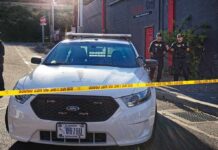
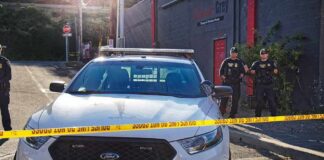
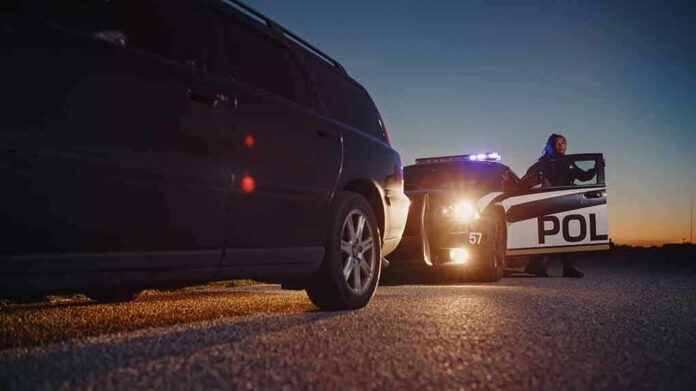
Montgomery County officials said Upper Pottsgrove Township officers went to a Snyder Road home around 12:30 a.m. after a 911 call about a possible break-in. The district attorney said officers found Glenwood Pysher IV in the rear of the property. An encounter followed, and police fired, killing him. Authorities have not described a weapon, a forced entry, or specific commands given before shots were fired. The statement is brief and leaves many operational details unknown.
Investigators said the Montgomery County Detective Bureau is leading the officer-involved shooting review, which is standard in the county. The police chief declined to give more details until the probe ends. That means the officer’s account, body-camera footage, and full incident reports are still sealed. Early facts include the time, the 911 call, and the location at the back of the home. The core claim is that a fast encounter led to gunfire, but the nature of the threat is not yet defined.
What the Family Says and Why It Matters
Pysher’s mother said her son went to the wrong house after a night of drinking. She said he knocked and called out for friends to let him in, believing he was at a friend’s place. She said he was unarmed and that police escalated too fast. Local coverage quotes the family saying backyard surveillance cameras recorded the encounter and are part of the review. These claims, if supported by video, could shape how people judge police decisions that night.
Family accounts often surface first and set the emotional frame. Here, they stress that Pysher was a student and athlete, carried a phone and bag, and posed no harm. Officials have not confirmed whether a weapon was present. Without video or 911 audio in public view, the two narratives sit side by side. Many readers see a familiar pattern: a late-night confusion, a quick response, and a fatal outcome that may or may not meet policy and law standards when all facts are known.
Transparency Gaps and Why Trust Is Thin
Public trust often hinges on speedy release of body-camera video and 911 recordings. Those files answer basic questions: what officers knew, what they saw, what they said, and how fast events moved. In many places, investigators hold footage until cases close, which can take months. That lag feeds suspicion on the right and left, who already think powerful insiders protect their own while families wait for answers and communities argue online without shared facts.
Glenn Pysher, a 22-year-old college baseball player, was shot and killed by police after his family says he mistakenly went to the wrong house following a night out with friends. The shooting remains under investigation. https://t.co/IUrIIjgFU6 pic.twitter.com/ZfVWPUJtqO
— Eyewitness News (@ABC7NY) August 25, 2026
Recent “wrong address” shootings show how small steps can prevent tragedy: better address checks, clear commands, more light, and time to assess. When officers do not or cannot slow down, courts later weigh reasonableness under stress, not perfection in hindsight. That legal test can clear officers even when a mistake happened. People across the spectrum see that gap between lawful and acceptable and feel the system fails them, especially when video and audio stay out of sight during key weeks.
What to Watch Next
Watch for release of body-camera video, backyard surveillance footage, and the 911 call. Those items can confirm whether officers announced themselves, issued warnings, or saw a threat. Look for the autopsy and any toxicology results to set time, distance, and wound paths. The district attorney’s final memo will explain whether charges are filed or declined. Until then, this case remains in the early phase, with a young man dead and a community asking urgent, fair questions.
Sources:
nbcphiladelphia.com, abcnews.com, dps.arkansas.gov