
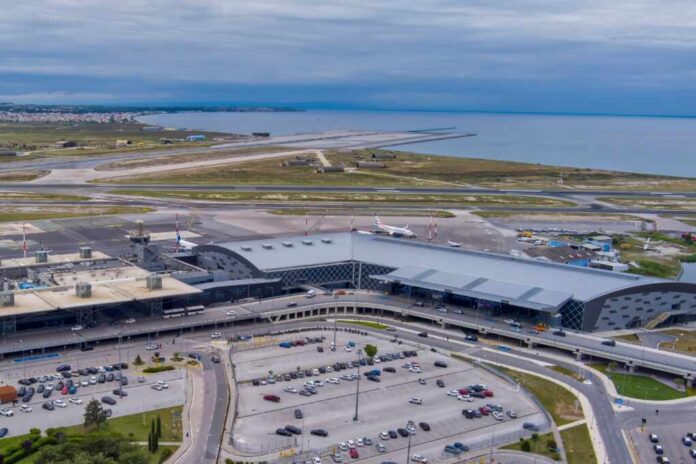
A catastrophic radio frequency failure has brought Greece’s entire airspace to an abrupt halt, grounding all flights and stranding thousands of passengers across Europe. The unprecedented technical breakdown, which simultaneously affected all 39 Greek airports, has exposed dangerous and potentially critical vulnerabilities in the nation’s essential air traffic control infrastructure, raising serious questions about national security and economic preparedness.
Story Highlights
- All 39 Greek airports suspended takeoffs after nationwide radio frequency system collapsed.
- Thousands of passengers stranded across Europe with massive delays and cancellations.
- No backup systems existed for critical air traffic control communications.
- Professionals warn recovery could take “a very long time” with cause still unknown.
Complete Infrastructure Breakdown Grounds Nation
Greece’s Civil Aviation Authority faced an unprecedented crisis on January 4, 2026, when radio frequency systems controlling the nation’s airspace failed simultaneously across all 39 airports. The breakdown began around 9:00 AM, immediately halting all takeoffs and forcing security check-ins to close at major hubs like Athens International Airport. Flight trackers revealed Greek airspace sitting nearly empty, a stark contrast to the usual 600 daily flights at Athens alone during peak winter travel season.
Air travel across Greece was thrown into chaos on Sunday as airports nationwide halted arrivals and departures after a sudden loss of vital radio communication frequencies. The disruption came early in the morning when most aviation radio channels experienced massive interference… pic.twitter.com/FH4QYWSmFz
— Ocean News (@OceanNewsUK) January 5, 2026
Massive Travel Disruption Spreads Across Europe
The technical failure created chaos far beyond Greece’s borders, stranding thousands of passengers throughout Europe. Athens International Airport became ground zero for the crisis, with massive queues forming as departing flights remained grounded. Airlines scrambled to issue widespread delay and cancellation alerts while arrivals continued operating manually where possible, though many flights faced diversions to alternative destinations. By afternoon, only approximately 35 flights operated across all Greek airports combined, representing a fraction of normal capacity.
Critical Security Vulnerabilities Exposed
Aviation specialists revealed a shocking lack of backup systems for Greece’s air traffic control communications, raising serious concerns about national preparedness. The Civil Aviation Authority acknowledged being “still in the dark” about the failure’s cause, despite ruling out cyberattacks or external interference. This complete absence of redundancy in critical infrastructure highlights dangerous vulnerabilities that could be exploited by hostile actors or lead to extended disruptions during emergencies. Such gaps in essential systems represent the kind of government incompetence that undermines public safety and economic security.
Long-Term Recovery Uncertain
Industry professionals warned that restoring full operations would require significant time, with specialists predicting the issue will take “a very long time” to resolve completely. The disruption occurred during peak winter travel season, amplifying economic losses from cancelled flights and stranded tourists. While aircraft maintain independent safety systems preventing immediate danger, the lack of proper contingency planning exposes systematic failures in government oversight of critical infrastructure. This incident may prompt European Union reviews of air traffic control redundancies, though such bureaucratic responses often fall short of addressing fundamental preparedness gaps.
Watch the report: Greece forced to close entire airspace with all flights suspended amid mystery technical failure
Sources:
- Some Greek flights resume after air traffic radio collapse | Reuters
- Delays expected at Ben Gurion Airport after Greece shuts its airports over radio issue | The Times of Israel
- Flights Grounded In Greece Due To Radio Frequency Loss
- Greece: Flight operations suspended nationwide after radio disruption | DD News On Air