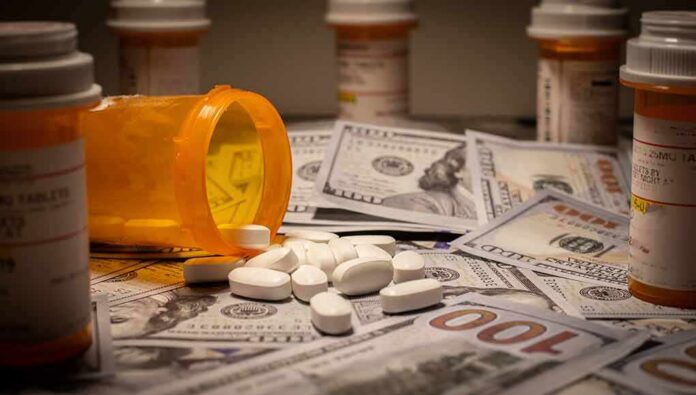
President Trump is ending a Medicare drug subsidy that helped keep monthly premiums down for millions of seniors, and many enrollees could see higher costs in 2027.
Quick Take
- The Centers for Medicare and Medicaid Services said the temporary Part D Premium Stabilization Demonstration will end after 2026.
- The program was designed to help hold down Medicare Part D premiums, so its expiration can raise costs for some people.
- Administration officials say many beneficiaries will still see small changes, and some may see lower premiums.
- New 2027 monthly costs will not be known until later this fall, so the full impact is still not public.
Why the Medicare change matters
The move affects Medicare Part D, the prescription drug benefit used by millions of older and disabled Americans. The subsidy was meant to cushion premium spikes for standalone drug plans, and the government had been paying insurers billions of dollars to keep monthly costs lower. Reuters reported the program was expected to provide about $3.6 billion in subsidies this year.
That makes this decision more than a paperwork change. It is a real policy shift that removes a federal buffer from a market that already depends on heavy government rules. The Kaiser Family Foundation said the average stand-alone Part D premium was about $36 per person per month, and ABC News reported that ending the subsidy could raise premiums by as much as $20 for some enrollees.
What CMS says will happen next
The Centers for Medicare and Medicaid Services says the program was temporary and no longer needed. Fierce Healthcare reported that CMS will end the demonstration at the close of the 2026 plan year and return to “traditional market conditions” in 2027. Administration officials told reporters that premiums will rise by less than $10 for most recipients, while about a quarter of beneficiaries may see no change or even a decline.
Those claims do not erase the risk for seniors who live on tight budgets. ABC News reported that about half of enrollees will either see a premium increase of less than $10 or a premium decrease, but it also said roughly half could see higher costs. The same reporting said enrollees will learn their new monthly prices later this fall, which means the real effect will not be clear until plan filings are released.
How big the cost hit could be
ABC News said KFF estimated some premiums could rise by as much as $20 a month, while the administration said many plans will stay affordable and most recipients will still have options at $10 or less. The Wall Street Journal also reported that the subsidy had been central to keeping premiums manageable before this change.
AP: Trump's CMS is ending a Biden-era Medicare Part D subsidy, saying it stops billions from flowing to insurers. Democrats call it higher costs for seniors. Fiscal discipline or midterm risk? https://t.co/yeE6nhuUEN
— Alexander Rhodes (@TheDailyRightTK) July 31, 2026
For conservatives, the bigger lesson is simple: a program that was sold as temporary is finally being unwound, but the spending habits behind it still matter. Trump allies are right to argue that federal “stabilization” programs can mask the real price of coverage and shift costs onto taxpayers. At the same time, seniors watching their mail for 2027 plan notices have a fair reason to worry about another squeeze on retirement budgets.
What seniors should watch
Beneficiaries should pay close attention when annual Medicare plan notices arrive later this fall. The news coverage is clear that 2027 costs are not final yet, and plan-by-plan changes can vary widely. The safest reading is that most people may see only modest changes, but some seniors could still face a noticeable jump in their drug plan bills.
Medicare Part D itself is not ending, and seniors will still be able to buy drug coverage through private plans or Medicare Advantage. What is ending is the temporary subsidy that had been helping keep those plans cheaper. That distinction matters, because it separates a program shutdown from a full benefit cut, even if many households still feel the price increase.
Sources:
washingtontimes.com, abcnews.com, reuters.com, wsj.com, fiercehealthcare.com, nytimes.com, facebook.com