The Trump administration’s takeover of D.C. policing has yielded 1,914 arrests and six child rescues, igniting disputes over autonomy and civil rights.
At a Glance
- Federal takeover of D.C. police led to 1,914 arrests since August 7.
- Six missing children recovered during operations.
- Robbery, carjacking, and violent crime rates sharply declined.
- Local officials protest loss of authority and potential overreach.
Trump’s Crime Blitz in the Capital
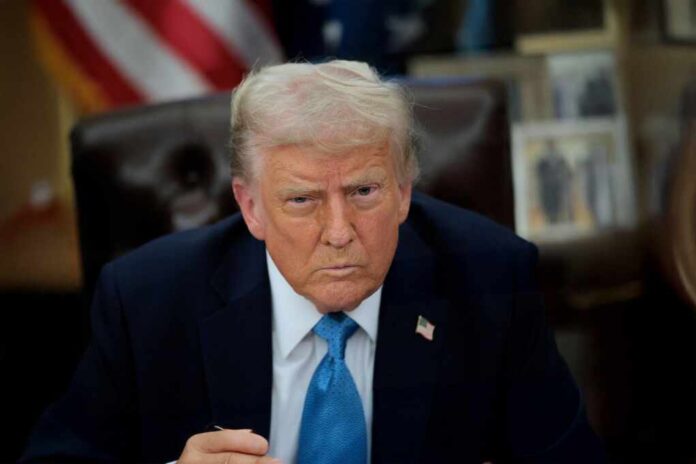
President Trump invoked emergency powers in August 2025, declaring D.C. a crime crisis zone. He ordered federal agents and National Guard units to assume control of the city’s police.
Since the declaration, federal units have arrested 1,914 individuals, with 73 arrests logged in one night. Six children reported missing were also rescued during sweeps.
The administration framed the crackdown as a vital move to restore order. Yet critics point out that crime levels were already trending down before the emergency powers were invoked.
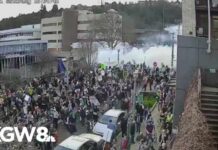
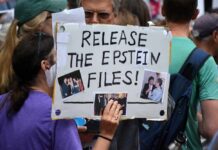
Watch now: 1,900+ arrests since federal operation in DC began, protestors demand alternative solution
Federal Grip, Local Backlash
Federal command over local policing has triggered a sharp jurisdictional clash. City leaders argue that the move undermines D.C.’s limited home rule, stripping elected officials of oversight.
The use of old crime statistics added fuel to the dispute. Trump cited prior violent crime reports, but updated data showed a modest decline before the intervention.
Some residents welcome the surge in visible security. Others fear the presence of federal troops signals creeping authoritarianism and excessive force in daily enforcement.
Crime Drop or Mirage?
Early data shows notable crime reductions under federal control. Officials report robbery down 46 percent, carjacking down 83 percent, and violent crime down 22 percent since the blitz began.
Business leaders credit the crackdown with boosting confidence. Shops and restaurants report more customers, with foot traffic rising in previously unsafe corridors.
Yet experts warn that these gains may not last once federal forces withdraw. Analysts caution that short-term crime suppression often rebounds without lasting structural reforms.
The Road Ahead
The D.C. experiment highlights unresolved tensions in American governance. Federal intervention delivered quick results but set a precedent that rattles defenders of local authority.
Civil liberties advocates warn the episode may normalize emergency powers in urban policing. The blurred line between security and overreach now looms large in debates about democracy itself.
The Trump administration frames the crackdown as proof of law-and-order leadership. For D.C. residents, the deeper question remains whether safety has been secured at the cost of self-rule.
Sources