A recent incident highlights the growing risks journalists face, as a machete-wielding professor’s attack on New York Post reporters culminates in a debatable legal outcome.
Story Highlights
- A machete attack on journalists raises concerns over press freedom and safety.
- The assailant, a university professor, received a non-custodial sentence.
- Behavioral therapy was mandated instead of incarceration.
- Protective orders are issued for the journalist victims.
Machete Assault on Journalists Sparks Press Freedom Concerns
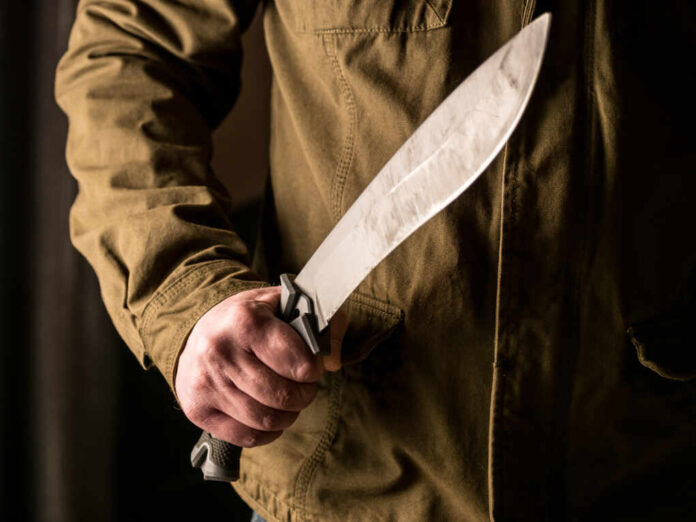
On May 23, 2023, New York Post reporter Reuven Fenton and photojournalist Robert Miller were threatened and chased by Shellyne Rodriguez, an adjunct professor at Hunter College. At her New York City apartment, Rodriguez brandished a machete, pressing it against Fenton’s neck before pursuing the journalists out of the building and kicking Fenton. This alarming incident, caught on video, underscored the increasing dangers journalists face amid heightened tensions in urban reporting environments.
Watch: Pro-Life Reporter Punched During Heated Abortion Debate Interview
The incident’s fallout was significant, leading to Rodriguez’s termination from Hunter College and a legal case that concluded with a plea deal. Rodriguez pleaded guilty to charges of menacing and harassment, avoiding incarceration by undergoing over six months of behavioral therapy. On June 25, 2024, she was sentenced to a conditional discharge, with protective orders issued for Fenton and Miller. This outcome has drawn criticism, especially from those advocating for stronger deterrents against threats to press freedom.
Legal Outcomes and Reactions
The legal resolution of Rodriguez’s case has sparked debate over the adequacy of behavioral therapy as a deterrent for violent threats against journalists. While Rodriguez is not incarcerated, she remains under court-ordered behavioral conditions, a decision that some argue is too lenient. The Bronx District Attorney’s Office confirmed the sentencing details, emphasizing the protective orders in place for the victims. Fenton, reflecting on the attack, noted that while Rodriguez may not have intended physical harm, the threat was palpable and real.
In recent years, incidents of aggression toward journalists have become more visible, particularly in New York City. The attack on Fenton and Miller echoes previous assaults on media personnel, such as the March 2022 attack on New York Post photographer G.N. Miller. These patterns of violence raise critical questions about the protections available to journalists and the potential chilling effects on press inquiry when threats are not met with substantial legal consequences.
Broader Implications and Industry Response
This case has broader implications for the media industry and academic institutions alike. For journalists, the risks of field reporting are ever-present, necessitating calls for stronger legal safeguards. Media organizations may intensify their advocacy for robust protections to ensure safe reporting environments. Meanwhile, academic institutions like Hunter College may review staff conduct protocols and crisis management strategies to mitigate reputational risks and uphold public accountability.
As the discussion around press freedom and journalist safety continues, industry experts and press freedom organizations underscore the need for robust legal frameworks that deter threats while balancing rehabilitative justice. This incident serves as a stark reminder of the vulnerabilities faced by journalists and the ongoing need for vigilance in protecting their rights and safety.
Sources: