
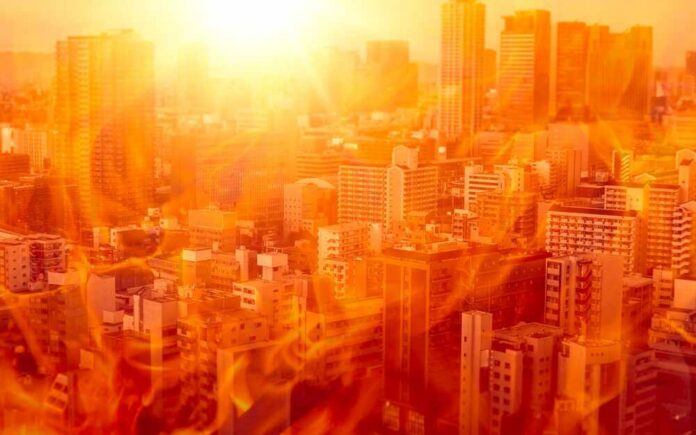
A record-breaking heat dome is turning the Western United States into a pressure cooker, exposing how unprepared our leaders are for a hotter, harsher future.
Story Snapshot
- A massive heat dome is driving triple-digit temperatures across the Western U.S., breaking local records and straining power and health systems.
- Satellites and ground stations clearly show the event, but old, unclear records and slow government data release fuel public distrust.
- Scientists say climate change is making these heat domes stronger and more frequent, while policy responses lag far behind the science.
- Working families face higher bills, health risks, and wildfire danger, even as many feel elites are insulated from the worst impacts.
What This Heat Dome Is Doing to the Western U.S.
Forecasters say more than 30 million people in the Western United States are now under excessive heat alerts as a strong “heat dome” settles over the region. Under this dome, temperatures in places like California’s Central Valley are running 10 to 20 degrees above normal, with forecasts near 108°F from Sacramento to Bakersfield. Cities across Nevada, Arizona, and Utah are also hitting triple digits day after day, pushing hospitals, power grids, and outdoor workers to their limits.
This pattern is not a random hot spell; it is a sustained high-pressure system that acts like a lid and traps hot air near the ground. With clear skies and strong sun, the heat builds each day and does not escape at night, leaving neighborhoods to “bake” around the clock. In past events, similar domes helped drive temperatures above 120°F in places like Death Valley and led to all-time records in cities across the Southwest. That same basic setup is now repeating over the West in mid-July 2026.
How a Heat Dome Works — and Why We Are Seeing More of Them
Meteorologists describe a heat dome as a large, stalled zone of high pressure that blocks cooler air and storm systems from moving in. Air is forced downward inside the dome, compresses, and warms, while the lack of clouds means the sun heats the ground all day long. Research shows these kinds of stuck patterns, linked to slow-moving waves in the jet stream, have nearly tripled since the 1950s, leading to more heatwaves, floods, and wildfires. In simple terms, the atmosphere is getting “stuck” hot more often and for longer stretches.
Scientists looking at past heat domes, like the deadly 2021 Pacific Northwest event, found that human-driven climate change made such extremes far more likely and more intense. One study of a March 2026 heat dome in the West concluded temperatures like those would have been “virtually impossible” without global warming. Another analysis showed that climate change made similar events dozens of times more likely than in the late 1800s. These are not activist talking points; they are peer-reviewed findings from climate and weather scientists.
Records, Data Gaps, and Growing Public Distrust
As this Western heat dome pushes temperatures to new highs, some cities are posting “all-time records,” while others debate what counts as a record at all. A recent dispute over whether a 1901 reading in Billings, Montana should stand as the true all-time high mirrors earlier fights from the 2021 heat dome, where old measurements and limited archives created confusion. Agencies like the National Oceanic and Atmospheric Administration control key data but often move slowly to release full station logs, leaving room for doubt and frustration.
That frustration fits a wider mood in the country: many Americans on both the right and the left suspect that federal institutions protect their own image first and serve regular people second. When NASA satellites clearly show a massive heat dome overhead, but government records still cannot settle basic questions about past extremes, it feeds the sense that the system is sloppy, political, or both. For people sweating through 105°F afternoons, record disputes can feel like elites arguing over paperwork while neighborhoods struggle to stay safe and cool.
Everyday Impacts: Heat, Wildfire, and Economic Strain
Extreme heat does more than break numbers on a weather map; it reshapes daily life, especially for people without much money or political power. Under this Western heat dome, outdoor workers, seniors, and those without reliable air conditioning face the highest health risks, including heat stroke and dehydration. Power demand jumps as millions run air conditioners nonstop, which raises electric bills and can push aging grids toward brownouts or blackouts, hitting low-income families hardest.
A powerful heat dome is shattering temperature records across the western US, putting tens of millions under excessive heat alerts.https://t.co/8GNggRJlqW pic.twitter.com/p9ukQfSnL5
— Yoopya (@yoopya) July 14, 2026
At the same time, hot, dry conditions under a dome can prime the land for large wildfires, as shown in studies of the 2021 season where a heat dome helped drive record fire weather. Farmers and ranchers must worry about drought stress on crops and animals as soil dries out and irrigation costs rise. Yet many feel that national leaders talk about climate and energy in abstract terms while failing to deliver practical protections, like modernized grids, better cooling centers, and clear plans for rural communities that sit directly under these recurring domes.
Sources:
washingtonpost.com, youtube.com, usatoday.com, newsweek.com, nasa.gov, npr.org, worldweatherattribution.org, aljazeera.com, jpl.nasa.gov, euronews.com