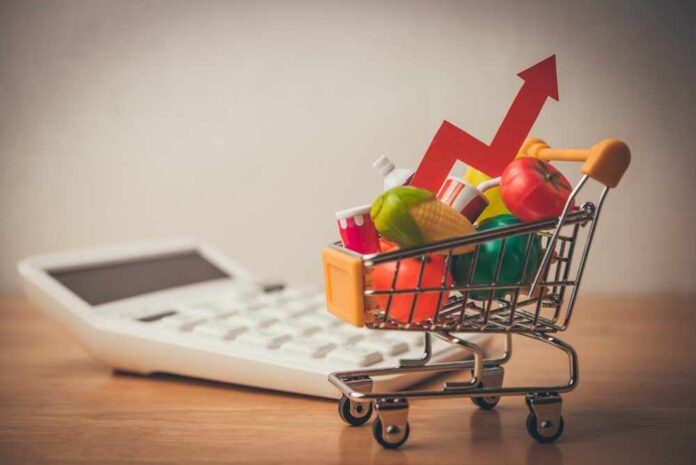
For the first time in years, official data show prices cooling while many American families feel poorer and more squeezed than ever.
Story Snapshot
- Headline inflation for June came in lower than economists expected, easing price pressures on paper.
- Official data still show prices much higher than before the recent inflation surge, keeping budgets tight.
- Weak consumer spending, falling savings, and rising credit card debt point to deep stress for households.
- Confusing and sometimes false claims about inflation are fueling anger at a system many see as serving elites, not ordinary Americans.
What the New Inflation Surprise Really Shows
Economists were braced for another hot inflation report, but the June consumer price reading came in cooler than expected, with several market previews pointing to a small monthly drop in overall prices and a step down in the yearly rate from May’s 4.2 percent pace. In May, the Bureau of Labor Statistics reported that the Consumer Price Index rose 0.5 percent for the month and 4.2 percent over the prior year, the fastest annual increase in three years, driven mostly by sharply higher energy costs. Those May numbers confirmed what shoppers already felt: gas, utilities, and many daily essentials had jumped. Now, early June figures suggest inflation may finally be losing some steam, thanks in part to falling gasoline prices after tensions in the Strait of Hormuz eased. Even so, prices remain far above where they were a few years ago, and families still face the painful gap between official data that talks about “cooling inflation” and wallets that feel anything but cool.
Behind the headline surprise is a simple truth that matters more than any single number: most households are running out of cushion. Corporate earnings from consumer-facing companies show that people are pulling back on non-essential spending, from family entertainment to dining out. The personal savings rate has slid in recent years, dropping from a healthier level near 6 percent down toward 4 percent, meaning families have less set aside when prices jump or hours get cut. At the same time, total credit card debt has climbed above one trillion dollars, and delinquency rates have hit their highest levels since the early 2010s, a clear sign that more people are falling behind on even minimum payments. These trends line up with survey data on consumer confidence, which now sits in what some economists bluntly call “recession territory,” showing deep worry about the future. Lower inflation on paper does not erase the stress of living on thinner savings, higher debt, and paychecks that do not stretch as far as they used to.
Official Numbers Versus What People Feel
There is also growing confusion over which inflation numbers to trust, and that confusion is feeding anger across the political spectrum. Official releases from the Bureau of Labor Statistics use detailed price surveys and a published schedule, with the agency stating clearly that the June Consumer Price Index would be released on July 14 at 8:30 in the morning Eastern Time. In May, the same agency showed energy prices jumping almost 4 percent in a single month and more than 20 percent over the year, making it easy to see why the overall inflation rate moved up. Yet social media posts and partisan outlets have pushed very different stories, sometimes claiming far lower inflation or even outright deflation without linking to any primary government report, document number, or named expert. Fact-checkers across the political map have spent years knocking down false claims about “no inflation,” gas under two dollars, or inflation being “stopped” by one administration or another. This noisy information war makes many Americans feel that someone is lying, but they are not always sure who.
The deeper issue is trust: trust in numbers, trust in leaders, and trust that anyone in Washington is truly on the side of ordinary workers and retirees. The Bureau of Labor Statistics tries to keep methods neutral, even as it updates how it weights different kinds of spending in the Consumer Price Index basket. Critics on both the right and the left say those changes can blur how bad price increases really feel, especially for items like food, rent, and energy that take up a big share of lower and middle-income budgets. At the same time, some alternative media channels have strong incentives to push dramatic “truth bomb” narratives about surprise deflation or collapsing inflation, because shocking headlines drive clicks, ad money, and subscription sales. When official data show prices still rising compared with last year, and family budgets say the same, wild claims of pain-free deflation sound less like truth-telling and more like another way elites play games with numbers while regular people struggle.
Why This Matters Beyond the Numbers
The fight over the June inflation surprise ties into a broader frustration that now reaches far beyond traditional party lines. Conservatives who spent years warning about “woke” spending, runaway deficits, and costly green energy mandates see stubborn inflation as proof that the federal government has lost control of basic economic stewardship. Liberals who worry about widening inequality and what they view as harsh treatment of the poor and undocumented see inflation and high interest rates as yet another burden falling hardest on those with the least. Both sides increasingly suspect that powerful insiders, from central bankers to corporate lobbyists, are doing just fine no matter which way prices move, while ordinary families absorb the shock. That suspicion is reinforced every time official numbers are used to claim “mission accomplished” on inflation even as groceries, rent, and medical bills remain painfully high. When people hear leaders say inflation is easing but feel their own budgets breaking, the gap feeds the sense that the system serves the “deep state” and the well-connected more than it serves them.
US consumer inflation cooled more than expected in June, government data showed today, as energy prices fell on a temporary cooling of the US-Iran war. https://t.co/pesGYxDmhR
— RTÉ Business (@RTEbusiness) July 14, 2026
Looking ahead, several real risks could quickly turn today’s welcome cooling into tomorrow’s renewed price surge. Energy markets remain jumpy as global tensions continue, and analysts on business networks warn that any new shock in places like the Strait of Hormuz could send oil and gasoline higher again. The Federal Reserve, watching both official inflation and signs of financial stress, may face hard choices about interest rates that could hit borrowers and job growth. Meanwhile, content moderation rules on social platforms mean that some extreme economic claims might be flagged or buried, while more polished but still misleading talking points from politicians and pundits spread widely, a pattern already seen with past false inflation narratives. For citizens trying to protect their families and plan for the future, the safest path is to look past viral posts and partisan spin and focus on a few core facts: prices are still much higher than before, household buffers are thinner, and the people meant to manage the economy often seem more focused on politics and optics than on making the American Dream feel reachable again.
Sources:
facebook.com, bls.gov, cnbc.com, x.com, calendarx.com, cato.org, breitbart.com, youtube.com, krdo.com, factcheck.org