A trusted traveler in America’s expedited border program allegedly smuggled over 60 pounds of cocaine worth $1.1 million right under officials’ noses, exposing dangerous cracks in border security.
Story Highlights
- CBP arrested a 25-year-old U.S. citizen SENTRI participant at San Ysidro Port of Entry seizing 60.14 pounds of cocaine hidden in his Honda Civic’s doors.
- Non-intrusive imaging and canine teams detected the drugs valued at over $1.1 million during secondary inspection.
- Suspect faces federal charges; vehicle and cellphones seized, highlighting vulnerabilities in the trusted traveler system.
- Incident at busiest U.S.-Mexico crossing underscores ongoing cartel threats despite heightened enforcement.
The Bust at San Ysidro
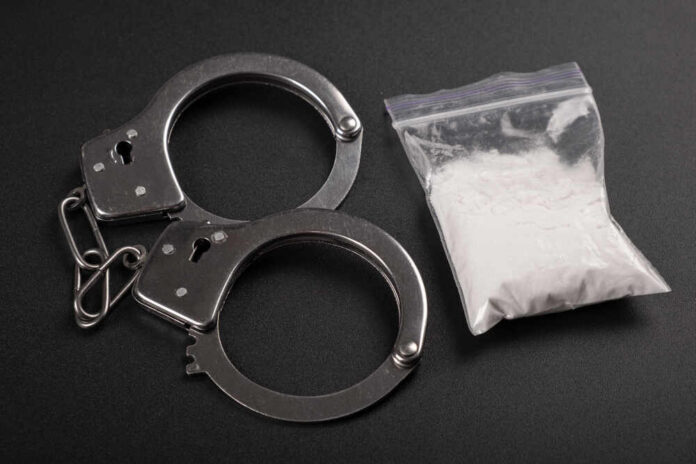
U.S. Customs and Border Protection officers at the San Ysidro Port of Entry in California arrested a 25-year-old U.S. citizen. The man held SENTRI status, a program for pre-vetted, low-risk travelers granting expedited border access. During secondary inspection of his 2020 Honda Civic, non-intrusive imaging revealed anomalies in the vehicle doors. A canine team confirmed the presence of narcotics, leading to the discovery of 20 packages totaling 60.14 pounds (27.28 kilograms) of cocaine.
Vulnerability in Trusted Traveler Programs
The SENTRI program aims to streamline crossings for approved individuals, including U.S. citizens, after rigorous background checks. This case reveals potential weaknesses, as the suspect exploited his trusted status to attempt smuggling at one of the nation’s busiest land ports. San Ysidro processes massive daily traffic from Mexico, where cartels frequently target vehicles for concealment. CBP’s success here relied on advanced technology and K-9 units, preventing a massive drug influx into American communities.
March 2026 seizures at ports like San Ysidro rose 27% from March 2024, signaling intensified enforcement under President Trump’s second-term border priorities. Yet, U.S. citizen involvement raises alarms about internal threats bypassing traditional scrutiny focused on non-citizens.
Enforcement Success Amid Broader Challenges
CBP seized the vehicle, drugs, and two cellphones, with the suspect now facing federal charges for narcotics importation and smuggling. The operation disrupted an estimated $1.1 million in street value, striking a blow against traffickers. San Diego border communities stand to benefit from reduced local drug availability. This bust reinforces CBP’s role in public safety, even as trusted programs face review for breaches.
Americans on both sides of the aisle share frustration with government failures allowing drugs to poison communities. Conservatives applaud stricter enforcement removing poisons like cocaine, while some liberals decry systemic issues enabling any smuggling. Both recognize elites in Washington too often prioritize politics over securing borders and protecting citizens from cartel violence.
CBP Says It Seized More Than 60 Pounds Of Cocaine From US Citizen At Border | ZeroHedgehttps://t.co/ceCZ8U9wHP
— Jerry Dean Bowers (@vipertoxin) April 17, 2026
Implications for Border Security
Short-term, this seizure cuts local supply chains, prompting traffickers to adapt tactics like vehicle door hides in common sedans. Long-term, incidents like this may drive policy changes, tightening SENTRI vetting amid rising interdictions. No cartel links surfaced in reports, but U.S. citizens aiding smugglers erode trust in expedited systems designed for efficiency.
As Republicans hold Congress and the White House in 2026, pressure mounts to fortify borders against fentanyl and cocaine flows from Mexico. Heightened scrutiny for all travelers, citizens included, aligns with America First principles limiting government overreach while prioritizing safety. Communities weary of deep state inaction demand accountability to restore the American Dream unhindered by drug epidemics.
Sources:
CBP Says It Seized More Than 60 Pounds Of Cocaine From US Citizen At Border
CBP Says It Seizes More Than 60 Pounds of Cocaine From US Citizen at Border