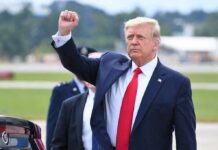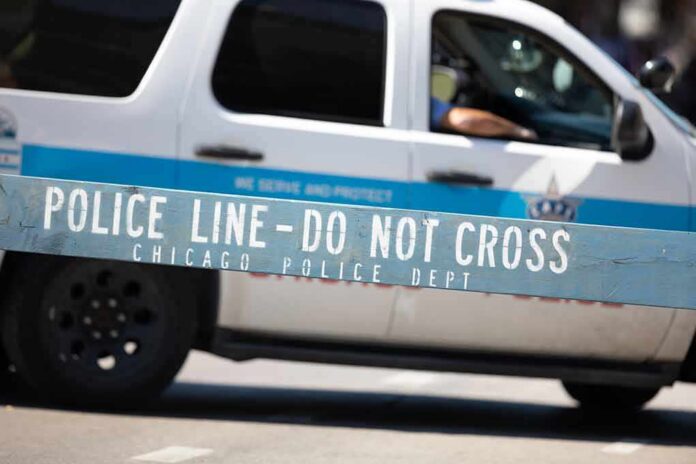
After another violent weekend, President Trump warned Chicago will “die” without federal help, reigniting a hard fight over who is actually fixing crime in the city.
Story Snapshot
- President Trump urged Illinois leaders to request federal crime-fighting help after a bloody weekend of shootings.
- Governor JB Pritzker and Mayor Brandon Johnson rejected military intervention and said crime is falling.
- City and national data show many offenses dropped in 2026, even as some early 2026 shootings and homicides ticked up.
- The clash reflects a national pattern: shocking weekends drive alarm while longer-term trends look mixed.
What Triggered Trump’s Warning
President Trump posted overnight that Chicago risks “dying” without federal intervention. He tied the warning to a weekend of gun violence and said he could fix crime “fast,” similar to what he claimed in Washington, D.C. He pressed Governor JB Pritzker to “call” and accept federal help. Fox News Digital reported six killed and 39 shot over the weekend, which fed the push for rapid action. The message framed Chicago as an emergency that demands federal muscle.
Trump’s team and some allies have floated options that include federal law enforcement surges and, if necessary, use of the National Guard under the Insurrection Act. The White House argument centers on saving lives and pushing past local political fights. Supporters say federal deployments can stabilize hotspots and deter armed groups. The urgency pitch taps broad frustration that government leaders argue more than act when communities need immediate safety gains.
How Illinois Leaders Responded
Governor Pritzker rejected any armed military role in Chicago and said there is no crisis that justifies it. He added the National Guard is “not required” for city policing and vowed to challenge illegal deployments. Mayor Brandon Johnson agreed, saying military forces are not the right tool for local crime. Both leaders emphasized that if assistance is needed, it should come from agencies like the Federal Bureau of Investigation (FBI) and the Bureau of Alcohol, Tobacco, Firearms and Explosives, not troops.
Pritzker argued the city has made real gains. He and Johnson pointed to major declines in homicides and other offenses since the 2021 peak. They said recent investments in police and community violence programs are working on the ground. They also said there had been no formal outreach from the administration and no request from the state for intervention. Their bottom line: keep building on local progress, not escalate with troops.
What The Numbers Actually Show
The Council on Criminal Justice reported that 10 of 13 tracked offenses in Chicago fell in the first half of 2026 compared to 2025, including sharp drops in robbery and car theft. The group also found homicide fell across many large cities. These data support claims of year-over-year improvement for many crime types. At the same time, some early 2026 measures showed shootings and killings rose versus early 2025, which fuels the “emergency” narrative after bloody weekends.
Trump just dropped the hammer overnight.
Chicago weekend: 41 shot. 3 DEAD.
Not a blip.
Not “isolated.”
Normalized slaughter.He’s calling Governor Pritzker out by name: invite the federal crime-fighting machine in, or watch the city die.
D.C. got cleaned up FAST when Trump… https://t.co/Uv6BHdspWs pic.twitter.com/NEeHa1EtdA
— Gunther Eagleman™ (@GuntherEagleman) September 1, 2026
Local analyses also highlight the swing in public mood. Chicago hit a decades-low homicide count in 2025, then saw a modest increase in early 2026. Many residents still do not feel safe, even when numbers improve. High-profile events, rapid social media spread, and repeat victimizations widen the “fear gap.” That gap lets both stories travel: progress in the data and pain in the streets. Leaders on both sides cite different slices of the same picture to make their case.
Why This Fight Matters Beyond Chicago
This clash exposes a deeper trust problem. Many Americans think powerful insiders protect themselves first and deliver results last. When the White House offers a “crime-fighting machine,” some hear overdue backup. When state leaders say “no troops,” some hear defense of local control and civil rights. Both sides claim to stand for safety and order. Both also risk talking past families who want fewer bullets now and lasting change next.
Policy choices carry trade-offs. Federal surges can help target gun traffickers and violent crews. Military deployments raise legal questions and can strain community trust. Local strategies build roots but take time. The best path likely mixes fast, focused federal help with local leadership, clear measures, and steady funding. Voters should watch who shares the full data, sets public goals, and accepts responsibility if results slip again. That is how accountability starts.
Sources:
mediaite.com, independent.co.uk, yahoo.com, foxnews.com, fox32chicago.com