At a dinner meant to celebrate press freedom after an assassination attempt, the president turned the spotlight on the press itself with an hour of cutting jokes, personal insults, and uneasy silence.
Story Snapshot
- President Trump used the rescheduled White House Correspondents’ Dinner to mix praise for some journalists with harsh attacks on others.
- The speech followed an April shooting outside the original dinner, and Trump opened by condemning political violence and honoring a wounded Secret Service officer.
- Many in the room reacted with long stretches of silence as Trump mocked reporters, politicians, and hinted at a third presidential term.
- The night exposed a deeper rift between the White House, the media, and public faith in the institutions that are supposed to hold leaders accountable.
A Press-Freedom Dinner Overshadowed by a Combative Speech
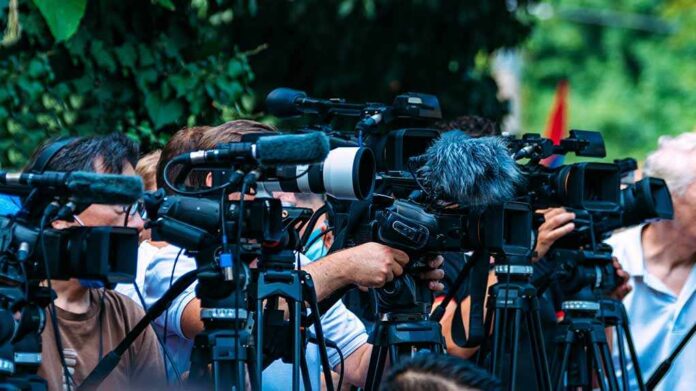
President Trump returned to the White House Correspondents’ Association dinner on Friday night, three months after gunfire ended the original event in chaos. The rescheduled gala moved to Washington’s Waldorf Astoria hotel under tight security, after a man allegedly tried to force his way into the April dinner and fired shots near the ballroom that held Trump, his cabinet, and hundreds of journalists. This dinner is meant to honor press freedom, yet it unfolded as a tense face-off between a president and the media that covers him.
Organizers opened the night by honoring the Secret Service officer who was shot in April and credited with stopping the attack, along with staff from the original Washington Hilton venue. Trump began his remarks by condemning political violence and praising the officer and others who responded, echoing his earlier comments that “in America, we do not yield to political violence.” That opening framed the evening around safety and democratic norms, at least for a few minutes, and drew some of the warmest response of the night.
From Calls for Unity to Hour-Long Riffs and Insults
After his opening, Trump shifted into a long, rally-style speech that blended jokes, campaign talking points, and sharp personal barbs. He poked fun at journalists and politicians in the room, repeating lines familiar from his campaign events and touting what he sees as his accomplishments in office. Networks and wire services described the address as “rambling” and “insult-filled,” with repeated jabs at reporters’ looks, intelligence, and credibility mixed in with lighter attempts at humor.
Several outlets reported that many jokes landed with little or no reaction, leaving long stretches of awkward quiet in a room usually known for big laughs. Some journalists later said the dinner “felt like a hostage situation,” describing the mood as tense as Trump cycled between calls to work with the press and attacks on their work. Trump himself told the crowd he had cut the “most biting” parts of a speech prepared for the April dinner, saying, “I was going to rip people,” and calling that decision “such a letdown.” That line signaled he believed he was showing restraint, even as many listeners felt he was already crossing lines.
Personal Targets, Identity Jabs, and a Trump 2028 Tease
Reporting from inside the room says Trump singled out specific journalists and politicians by name, sometimes mocking their bodies and appearances. One account from the Pittsburgh Post-Gazette describes him comparing a female cable news reporter to transgender social media figure Dylan Mulvaney, after he called the reporter a “young, attractive woman.” That mix of gender and identity-based joking drew particular criticism from advocates and added fuel to claims that the speech dipped into antigay or anti-trans mockery.
Trump also revived some of his favorite nicknames and attack lines against Democratic rivals, while throwing a few barbs at his own administration officials. Near the end of the speech, he pulled out a red “Trump 2028” hat and declared he was running again, joking about a third term and, in some commentary, even hinting at a fourth. Supporters saw the bit as classic Trump showmanship, but critics argued it made light of basic term limits that are supposed to protect against leaders holding power for too long. For many Americans who already worry that both parties ignore rules when it suits them, this “joke” hit a deeper nerve.
A Rare Moment of Praise in a Sea of Distrust
Amid the swipes, Trump did offer a few more conciliatory lines about the press in general. According to local Washington outlet WTOP, he told the crowd there were “a lot of people that I like, some I don’t like at all, but I respect most of them,” acknowledging that his view of journalists is not purely hostile. Reports from multiple newsrooms also note that he praised some reporters by name and recognized their work, even as he blasted others. These small nods suggest he wanted to show at least a thin layer of respect for the role of the press.
United States President, Donald Trump, declared his intention to seek a fourth term in the White House during a light-hearted speech at the White House Correspondents' Dinner, telling attendees he had "won three times" and planned to do it again. pic.twitter.com/U4y3APFi7w
— Urban News Television (@UrbanNewsTVE) July 26, 2026
Still, the overall tone reflected a relationship that has been broken for years. Trump has long called major outlets “fake news,” while many reporters see his attacks as aimed at chilling independent coverage. That history meant both sides came into the ballroom wary and defensive. When jokes turned into personal shots, especially after an attempted attack tied to political rage, many in the room saw the speech not as “roasting” but as another sign that leaders and institutions are drifting away from shared rules of fair play.
Why This Night Matters Beyond Washington
For people watching at home, especially older conservatives and liberals alike, the dinner may have looked less like a fun night out and more like proof that the system is off the rails. Conservatives who feel big media outlets sneer at their values could see Trump’s jabs as overdue payback, even if some went too far. Liberals who fear the “America First” agenda erodes norms could see the insults as one more attack on a free press that is supposed to stand up to the powerful.
Underneath those differences sits a shared worry: powerful people in Washington are fighting each other in ballrooms while the country’s deeper problems go unresolved. This dinner was held to honor press freedom days after an alleged attempt to kill government leaders at that very event. Yet the main story that emerged was an hour of mutual resentment and awkward silence. For many Americans who already believe a distant elite runs the show, the night likely confirmed their sense that the people in charge are more focused on scoring points than fixing a system that feels increasingly rigged.
Sources:
nbcnews.com, c-span.org, youtube.com, deadline.com, cnn.com, newindianexpress.com, wtop.com