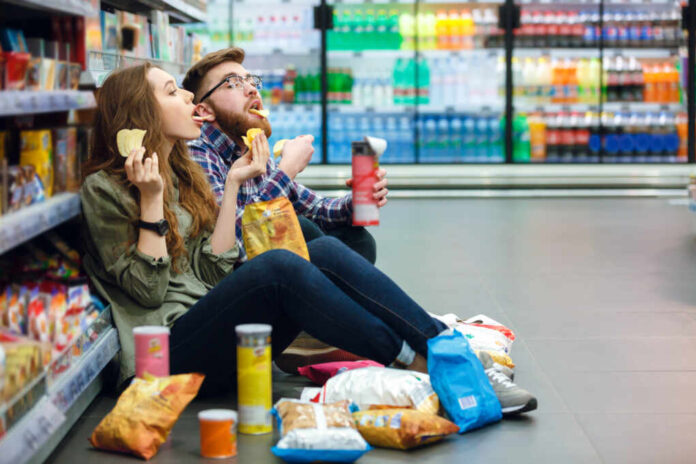
The Trump administration, in a significant policy shift, is limiting the types of food that can be purchased with Supplemental Nutrition Assistance Program (SNAP) benefits. This change, led by Health and Human Services Secretary Robert F. Kennedy Jr. as part of the “Make America Wealthy Again” initiative, aims to reduce junk food consumption among recipients by expanding the list of restricted items. As of August 2025, nine states have signed waivers to implement these restrictions, but the move has ignited debate over government overreach and the potential impact on low-income families.
Story Highlights
- Trump administration restricts SNAP purchases of junk food in nine states.
- Health and Human Services Secretary Robert F. Kennedy Jr. leads the initiative.
- Concerns rise over implementation challenges and impact on low-income families.
- Policy aligns with broader “Make America Wealthy Again” initiative.
Trump Administration’s New SNAP Restrictions
The Trump administration, in a significant policy shift, is limiting the types of food that can be purchased with Supplemental Nutrition Assistance Program (SNAP) benefits. This change, led by Health and Human Services Secretary Robert F. Kennedy Jr., is part of the “Make America Wealthy Again” initiative. The policy aims to reduce junk food consumption among SNAP recipients by expanding the list of restricted items beyond alcohol, tobacco, and hot foods.
As of August 2025, states including Arkansas, Idaho, Utah, West Virginia, Florida, Colorado, Louisiana, Oklahoma, and Texas have signed waivers to implement these restrictions. The initiative is framed as both an economic and health measure, aiming to promote better nutrition and reduce government spending on healthcare related to poor diet choices.
SNAP bans on soda, candy and other foods take effect in five states Jan. 1 https://t.co/6bb04w3h87 pic.twitter.com/tImIPBOcET
— New York Post (@nypost) December 30, 2025
State-Specific Implementations and Challenges
Arkansas was among the first to adopt the new guidelines, banning soda, low/no-calorie soda, and other sugary drinks. The state’s waiver will take effect on July 1, 2026. While Idaho and Utah have also signed waivers, specific restrictions for these states have not been detailed. The expansion to more states has been rapid, with agreements in place for states like West Virginia and Florida to follow suit.
Implementing these changes comes with challenges. Retailers must update systems to comply with the new rules, and SNAP recipients need clear guidance to avoid confusion about eligible purchases. Critics argue that these restrictions may not significantly impact health outcomes and could create unnecessary hurdles for those relying on SNAP.
Long-Term Implications and Opinions
In the long term, this policy could lead to a reduction in the consumption of unhealthy foods among SNAP recipients, aligning with the administration’s health goals. However, nutrition professionals warn that such measures may not address the root causes of poor dietary habits and could instead limit access to essential nutrients for low-income families.
While the administration argues for the economic benefits of reduced healthcare costs, experts are concerned about the paternalistic nature of the policy, which could set a precedent for increasing federal control over individual choices. This policy shift reflects broader debates on the role of government in public welfare and personal responsibility.
Watch the report: Healthy Reform or Hidden Punishment? SNAP Junk-Food Ban Begins | The Business Standard
Sources:
USDA Official Press Release on State Waivers
SNAP junk-food purchase restrictions take effect Jan. 1 in five states, others to follow in 2026 — see where | LiveNOW from FOX.
Snap bans on candy, soda to start in five US states, limiting food-aid purchases
HHS Press Room: Additional State Waivers