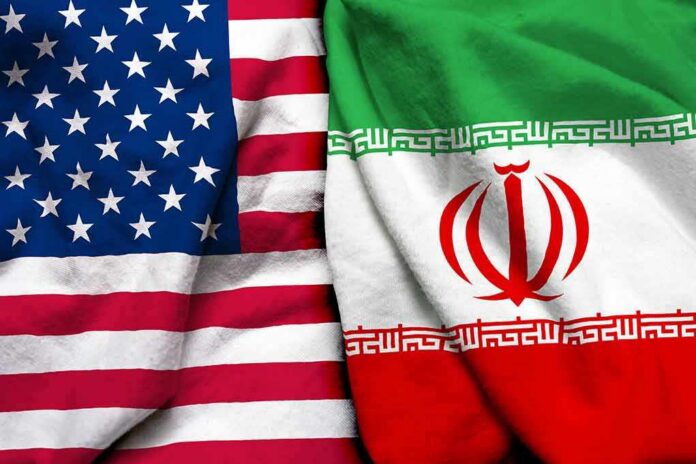
President Trump’s team is rolling out what Treasury calls maximum economic pressure on Iran’s oil cash, betting money, not missiles, will force change.
Story Snapshot
- Treasury moved to choke Iran’s oil sales and financing as part of a wider pressure push.
- Officials labeled the coming steps the “toughest sanctions in history,” signaling more designations ahead.
- Iranian leaders vowed to beat the measures and called them unjust, setting up a long fight.
- Past campaigns show sanctions can bite fast but often trigger evasion networks over time.
Washington’s New Economic Offensive Targets Iran’s Oil Money
The United States Department of the Treasury announced new steps against Iran’s oil sales and related financing on May 28, 2026. The Office of Foreign Assets Control said the actions aim to block funds that help rebuild Iran’s military and threaten the United States and its partners. The statement described a campaign of maximum economic pressure. It targets brokers, shippers, and financiers tied to Iranian petroleum flows. The move signals a sustained effort rather than a single sweep.
Treasury Secretary Scott Bessent later said the United States will impose the toughest sanctions in history on Iran. He argued stronger economic measures could reduce the need for large new military operations. The warning previewed more designations in the coming days and weeks, including secondary risks for foreign banks, insurers, and refiners that touch Iranian oil. The message to allies and rivals was blunt: help Iran trade oil and expect consequences from Washington.
Pattern of Repeated Designations and Expanding Risk
The United States has spent 2026 adding names across the network that moves Iranian oil. Reuters reported sanctions on over 30 people, companies, and vessels linked to a so‑called shadow fleet in February. Those actions cited support for oil exports, missiles, and arms production. A July action targeted a financier tied to Iran’s new Supreme Leader and other entities after tanker attacks in the Strait of Hormuz. The steps show a rolling series of hits meant to dry up revenue streams.
The State Department described the approach as continuing maximum pressure on Iran’s shadow oil economy. A May fact sheet said tens of millions of barrels were moved by the networks now in focus. It tied those sales to the Islamic Revolutionary Guard Corps and Iran’s military staff. The goal is to cut the money that funds weapons and regional proxies. The agencies want to drive down exports and raise the cost of evasion across shipping, banking, and insurance.
Tehran’s Defiance and the Likely Cat‑and‑Mouse Ahead
Iran’s leaders rejected the campaign and framed it as unjust. Parliamentary speaker Mohammad Baqer Qalibaf said Iran must plan to overcome unjust sanctions after the latest United States warnings. His statement echoed years of Tehran’s resistance messaging and signaled no immediate policy shift. That stance suggests a drawn‑out contest as Iran seeks end‑runs through covert fleets, informal finance, and friendly buyers outside the dollar system.
United States guidance hints officials expect such workarounds. The Treasury’s shipping advisory explains evasion tactics and tells maritime players how to spot them. It sits under a directive to run a robust and continual enforcement campaign. That wording admits this is not a one‑and‑done squeeze but a long chase across global trade lanes. In plain terms, Washington plans to keep tightening, while Iran keeps trying new routes and fronts to sell oil.
Why This Matters for Americans Watching Prices and Power
Sanctions that hit oil flows can spill into energy prices and shipping costs. Families and small firms already feel higher costs from past shocks. A longer fight could raise risks in the Strait of Hormuz and make insurance more expensive for tankers. Supporters argue pressure is cheaper than war and can weaken a hostile regime’s reach. Critics warn it can punish regular people and push trade into darker channels that make the world less safe.
Many Americans across party lines see a deeper issue: a government that promises results but often delivers cycles of crisis. Iran policy has swung between deals and pressure for years. Each turn was sold as the fix. The new push is forceful and clearer than past steps. But lasting success will hinge on steady enforcement, allied support, and real changes in Iran’s actions. Without that, it risks becoming another costly grind with few lasting gains.
What to Watch Next
Watch for more Treasury and State Department designations and any drop in reported Iranian oil exports. Look for signs that major insurers, banks, and shippers exit lanes tied to suspect cargoes. Track Iran’s response in the Gulf, including tanker escorts and drone or missile activity that could raise maritime risk. Finally, monitor whether partners in Europe and Asia align with United States measures or look for carve‑outs that could blunt the pressure.
Sources:
facebook.com, npr.org, reuters.com, aljazeera.com, fes.de