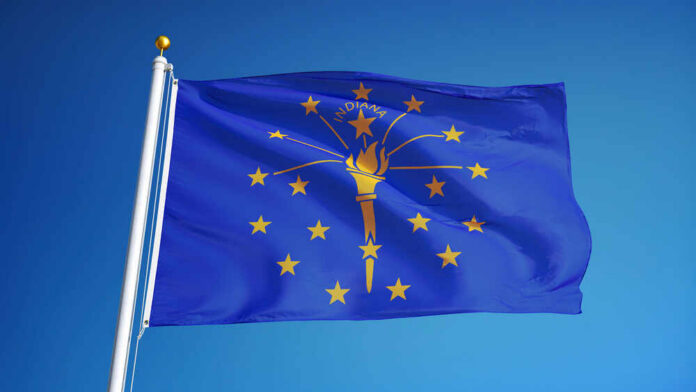
Indiana’s Republican primary results sent a blunt message to GOP lawmakers nationwide: defy Trump on a core power issue like redistricting, and you may not survive the next election.
Quick Take
- Trump-backed challengers defeated most of the Indiana GOP state senators who blocked a proposed “9R-0D” congressional map.
- The fight began after Indiana’s House passed a more aggressive redistricting plan, but the state Senate refused to advance it.
- Outside spending and endorsements helped turn low-turnout primaries into a loyalty test inside a deep-red state.
- Supporters call the results accountability; critics warn the precedent could narrow debate inside the GOP while fueling lawsuits and backlash.
How a redistricting dispute turned into a GOP purge
Indiana’s May 5, 2026, Republican primaries delivered decisive wins for multiple Trump-endorsed challengers over incumbent state senators who had opposed a Trump-backed congressional redistricting plan. The proposal aimed to move Indiana’s U.S. House delegation toward a “9R-0D” outcome by squeezing out remaining Democratic seats. Indiana’s House advanced the effort, but the state Senate stopped it, triggering months of intra-party conflict that culminated at the ballot box.
President Trump made the Indiana dispute personal and political, using endorsements and public criticism to pressure senators he labeled insufficiently aligned with the party’s national goals. Reporting ahead of the primary described a concentrated effort: Trump and allies promoted challengers in several districts, while outside groups amplified the message with ads and direct voter contact. The result, described across outlets as a major MAGA sweep, showed that incumbency offered limited protection once primaries became a referendum on Trump’s influence.
Why the Senate rejected the map in the first place
Indiana Republicans already hold a dominant position statewide, and earlier post-census maps preserved a strongly Republican congressional delegation. That background matters because some GOP state senators argued that pushing for an even more aggressive map carried risks—legal challenges, political blowback, and the perception that state legislators were turning redistricting into an openly nationalized power play. The Senate’s refusal—reported as a major setback for Trump’s redistricting push—set up the confrontation that followed.
Several of the targeted lawmakers framed their stance as caution rather than rebellion, stressing legal and institutional concerns. At least one incumbent publicly pushed back on the “RINO” label as the primary approached, illustrating the broader split inside the party: Trump-aligned activists want sharper partisan tools, while some traditional Republicans worry that courts and public opinion can turn a short-term gain into a longer-term liability.
The money and the mechanics: low-turnout primaries, high-stakes outcomes
Primaries in safe Republican districts can be decided by relatively small numbers of voters, which makes them highly sensitive to messaging, endorsements, and spending. Coverage of the Indiana races highlighted how political action committees and aligned organizations poured resources into contests that most Americans would not normally follow. In practical terms, that environment rewards the side that can nationalize the stakes, define an incumbent early, and motivate reliable voters to show up when turnout is low.
What the results mean for Republicans—and for public trust
For Trump and his allies, the Indiana outcomes reinforce a theory of governance: party majorities should use power aggressively to secure durable control, especially in Congress. For Republicans who lost, the message is that internal dissent—particularly on priorities tied to national power—may be treated as disqualifying. For Democrats, the episode offers a ready-made argument that Republicans are weaponizing maps, although Democrats have pursued their own aggressive redistricting strategies in other states.
Indiana RINO Bloodbath: MAGA Takes Indiana State Senate After Trump Seeks Revenge by Ousting RINOs Who Killed 9R-0D Redistricting Map https://t.co/bJVa7NDKMW #gatewaypundit via @gatewaypundit
— Frizz (@FrizzTm) May 6, 2026
The bigger issue for voters—conservative, liberal, and independent—is what this says about a system that often rewards political survival over transparent, consensus-driven policymaking. Redistricting has become one more arena where citizens see insiders fighting for advantage while daily concerns like prices, public safety, and economic mobility compete for attention. Indiana’s primaries didn’t settle the map fight, but they did clarify who controls the Republican coalition in the state right now.
Sources:
Sen. Rogers responds to “RINO” attacks ahead of May primary
Indiana primary tests Trump’s control over Republicans amid redistricting fight
Indiana RINO Bloodbath: MAGA sweeps Indiana after Trump seeks revenge for blocked redistricting map
Trump rails against ‘RINO loser’ Republicans who blocked redistricting, endorses primary candidates
Indiana Senate Rejects Congressional Redistricting Effort in Major Defeat for Trump Administration