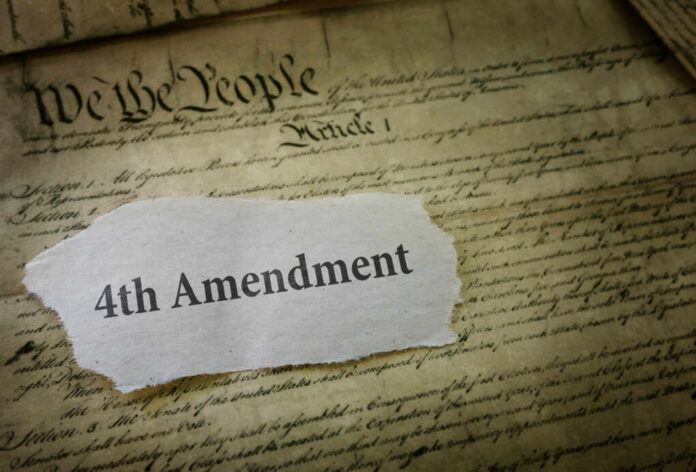
An alarming arrest has ignited a major legal debate, drawing attention to the fine line between law enforcement practices and constitutional rights. The December 2024 arrest of Luigi Mangione, accused in the murder of UnitedHealthcare CEO Brian Thompson, led to the discovery of a loaded gun in his backpack. This warrantless search has now become the central focus of pretrial hearings, where defense claims of Fourth Amendment violations clash with the prosecution’s argument that the search was a permissible incident to arrest. The outcome of this high-profile case is expected to have significant implications for police procedure and the balance of public safety and individual liberty.
Story Highlights
- Luigi Mangione, accused of murder, was arrested with a loaded gun found in his backpack.
- The arrest raises legal debates over warrantless searches.
- Pretrial hearings focus on the admissibility of evidence in a high-profile murder case.
- The case underscores the tension between law enforcement practices and constitutional rights.
High-Profile Arrest Stirs Legal Debate
In December 2024, Luigi Mangione was arrested in Altoona, Pennsylvania, linking him to the murder of UnitedHealthcare CEO Brian Thompson. During Mangione’s arrest at a McDonald’s for forgery, officers discovered a loaded gun in his backpack. This arrest has sparked a legal battle over whether the search was conducted legally, without a warrant, and if the evidence should be admissible in court.
Pretrial hearings in late 2025 have been dominated by defense claims that the search exceeded the scope of the forgery arrest. Officer Christy Wasser, a veteran of the Altoona Police Department, testified that the search was incident to the arrest, which is permissible under current law. However, the defense argues that the search was an overreach, violating Mangione’s Fourth Amendment rights.
Hours after Luigi Mangione was arrested in Altoona, Pennsylvania, NYPD officers tried to interview him as the prime suspect in the fatal shooting of UnitedHealth Group executive Brian Thompson https://t.co/W3dzNza7mF
— Bloomberg (@business) December 16, 2025
Implications for Law Enforcement and Rights
The outcome of this case could have significant implications for law enforcement practices and individual rights. If the court rules the evidence inadmissible, it could weaken the prosecution’s case against Mangione, impacting the broader issue of how police handle searches during arrests. The tension between maintaining public safety and upholding constitutional rights is at the forefront of this debate.
Prosecutors Joel Seidemann and Nichole Smith argue that the search was justified, given the circumstances of Mangione’s arrest and the nature of the charges. However, the defense maintains that the search was an unwarranted invasion of privacy, with potential repercussions for how similar cases are handled in the future.
Broader Context and Future Considerations
This case is set against the backdrop of rising gun violence and ongoing debates over gun control and Second Amendment rights. The decision on admissibility of evidence in Mangione’s case could influence future arrests and the balance between effective law enforcement and individual liberties. The ruling, expected in May 2026, will be closely watched by legal specialists and constitutional advocates alike.
The Mangione case highlights the delicate balance between protecting public safety and preserving constitutional protections. As communities grapple with crime and violence, the importance of ensuring that law enforcement practices comply with constitutional standards remains a pivotal concern for citizens and policymakers alike.
Sources:
- “‘There’s a weapon!’: Officer testifies in evidence hearing about finding gun in Luigi Mangione’s bag”
- Two convicted felons charged with federal firearms violations
- 19 charged in Bronx shooting conspiracy tied to courthouse violence
- Judge says he’ll rule in May on Luigi Mangione case