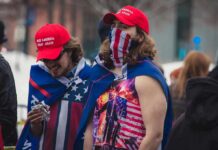
A veteran Chicago federal prosecutor says she was forced out after refusing to take the fall for a botched protest case that her boss allegedly ordered into felony territory.
Story Snapshot
- Sheri Mecklenburg retired “under protest,” saying U.S. Attorney Andrew Boutros pushed felony charges in the Broadview Six case.
- Judge-led scrutiny and released transcripts flagged grand jury errors; prosecutors dismissed the case.
- The Justice Department disputes her account and says her own memo backed the felony conspiracy charge.
- The clash widens a trust gap on both left and right over how justice is managed and who gets blamed.
The Resignation and Core Allegation
On September 24, Assistant United States Attorney Sheri Mecklenburg submitted a three-page letter retiring “under protest” and stating this was “not a voluntary departure”. In the letter, she said United States Attorney Andrew Boutros “personally directed” her to pursue felony charges against six immigration protesters known as the Broadview Six. She also accused leadership of scapegoating her after the case unraveled, saying she became a “convenient target” for public blame. Her lawyers added that she faced discipline if she filed in court on her own behalf.
Chicago outlets and national media reported the same core claim from the letter: that Boutros pushed for felonies instead of misdemeanors. The New York Times posted the document, anchoring the account to Mecklenburg’s own words. The charge decision matters because it raised the stakes and helped turn a local protest case into a federal test with serious penalties. The record, however, lacks internal emails or memos that independently verify who gave the final instruction at the time.
What Went Wrong in the Grand Jury
The Broadview Six indictment collapsed after the United States Attorney’s Office acknowledged serious errors in grand jury proceedings. Prosecutors moved to dismiss, and the judge canceled trial plans. A partial transcript later outlined categories of alleged misconduct during the grand jury process, including improper vouching and flawed instruction. Boutros told the court that mistakes occurred but said no one acted with intent to mislead the judge, and he argued the dismissal and reforms made further sanctions unnecessary.
The transcript disclosures fueled public anger from multiple sides. Civil libertarians pointed to potential overreach. Law-and-order advocates saw basic standards breaking down. For many readers, the bottom line was simple: the government built a felony case that then failed at the most basic gate. When cases falter this way, the question often shifts from “what did the protesters do” to “who in the government owns the failure”.
Boutros and Department Push Back
Boutros and the Department of Justice rejected Mecklenburg’s narrative. The Department said the claim that she proposed a misdemeanor and was told to file a felony is false, adding that her written recommendation listed the felony conspiracy as the strongest count. Boutros has said politics played no role and that his office dismissed charges, waived fee opposition, and started reforms, so a special prosecutor was not needed. He also maintained that leadership did not engage in misconduct.
The office issued a rare public report to address a specific rumor about grand jury appearances. It stated that since taking office in April 2025, Boutros has never appeared before any grand jury hearing or deliberating evidence on any matter. That statement answered one narrow point but did not settle who pushed the charging theory. The competing accounts therefore remain: Mecklenburg says top-down pressure; the Department says she endorsed the felony herself.
Why This Fight Resonates Across Politics
This dispute lands in a climate where many Americans distrust how power is used. Conservatives see a justice system that too often fails basic order and fairness. Liberals see selective enforcement and crackdowns on protest. Both sides see leaders protecting their own careers. A collapsed felony case over a protest at a federal detention site ties all those concerns together. When the paper trail is thin, letters and press statements shape the narrative more than full records do.
‘Broadview Six’ prosecutor pens fiery resignation letter saying US attorney pushed for felony charges https://t.co/CEDvbuTQcp
— Chicago Breaking News (@ChicagoBreaking) September 26, 2026
What should matter next are verifiable records. The full resignation packet, internal charging emails, and the complete grand jury record would help show who chose felonies and why. Until then, the strongest confirmed facts are these: the indictment was dismissed after admitted grand jury errors; Mecklenburg retired “under protest”; and leadership says her own memo backed the felony count. That mix offers a clear warning sign about transparency and accountability in a system too often run for insiders, not citizens.
Sources:
chicago.suntimes.com, nytimes.com, cbsnews.com, capitolnewsillinois.com, chicagotribune.com