
A crowded off-campus porch collapsed during William & Mary’s homecoming week, sending at least 28 people for medical care and exposing basic safety gaps that should be preventable.
Story Snapshot
- A back porch collapsed near William & Mary, injuring at least 28 people.
- Thirteen were taken by ambulance; 15 got to hospitals on their own, all non-life-threatening.
- City fire, police, and nearby county crews responded to the late-night call.
- Officials have not said what caused the failure; a city inspection is underway.
What Happened On Matoaka Court
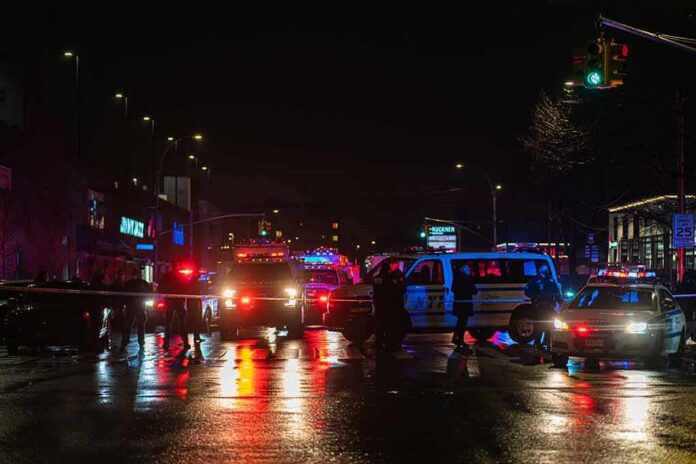
On October 23, around 10 p.m., emergency crews answered a structure collapse call in the 200 block of Matoaka Court in Williamsburg. Responders found that the back porch of an off-campus residence had failed. The incident occurred during William & Mary’s homecoming week, when many students and visitors were nearby. Local reporting described at least 28 injured people linked to the collapse. University officials confirmed students were among the injured and that help was made available to them.
William & Mary said 13 people were transported by emergency services and 15 more traveled to hospitals on their own. The university’s senior public safety official said none of the injuries were life-threatening. That tally sets a floor, since some students may have sought care later. City and university updates did not claim fatalities or critical trauma at the time of their notices. Local outlets matched the initial count and location details reported by officials.
Emergency Response And Ongoing Review
Williamsburg Fire Department, James City County Fire Department, and Williamsburg Police Department managed the scene. The multi-agency response handled triage, transport, and scene safety for a large group of students and guests. Officials coordinated with area hospitals to confirm the number of walk-in patients. City codes staff began reviewing the site. Authorities had not yet named the cause of the collapse, and no owner or tenant information was released in the reports cited here.
William & Mary emphasized student support, directing injured students to campus services and counseling. The university framed the event as occurring at an off-campus residence and did not call it an official school function. That matters for responsibility and next steps, which often depend on control over the site and the event. The university said it was sharing updates while gathering information and working with local officials.
What We Know And What We Do Not
Officials have not identified why the deck failed. Early media often guess “too many people,” but engineers warn that many collapses involve weak connections where the deck meets the house, corroded fasteners, or other defects. Industry and code sources have long cited ledger failures and poor guardrail connections as frequent problems in deck incidents, which is why inspections and proper hardware are vital. Those patterns offer general context but do not establish the cause on Matoaka Court.
A deck collapsed during a party in Williamsburg, leaving 28 people reportedly injured, including William & Mary students. Emergency crews took 13 to hospitals; officials were checking reports that 15 others went on their own.
The back porch gave way at a home in the 200 block of… pic.twitter.com/fcxbvxuFNA
— HeyDay News (@heyday_news) October 25, 2026
The injury count remains best stated as “at least 28.” The university said 13 were transported by ambulance and 15 went on their own, and noted that some students could have sought care later. Local stories echoed those numbers while hospitals and officials worked to confirm walk-ins. Until the city’s codes review is complete, unanswered items include the deck’s age, permits, maintenance history, occupancy at failure, and who oversaw the property.
Why This Matters For Families And Town-Gown Safety
College towns rely on safe housing near campus. A deck failure at a busy student gathering shows how one weak link can hurt dozens. Clear rules, inspections, and basic upkeep protect everyone, no matter your views on student life or party culture. When property risks go unchecked, the burden falls on students, parents, and first responders. Transparent findings and follow-through can reduce repeats, set fair responsibility, and restore trust in the system that is supposed to keep people safe.
Sources:
rollingout.com, wtvr.com, dailypress.com, wahoodecks.com