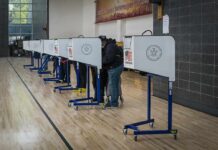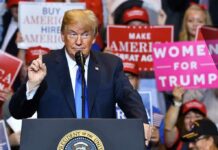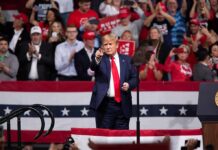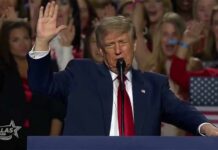
President Trump’s push to set national voter identification and citizenship checks by executive order is now colliding head-on with courts and the Constitution.
Story Snapshot
- Trump signed and proposed executive orders to require proof of citizenship and tighten mail voting for federal elections.
- Judges have blocked key parts of similar orders, saying the White House cannot set election rules.
- Legal experts say emergency powers do not give a president control over how states run elections.
- The clash highlights a wider loss of trust in government and the rules of the vote.
What the White House Ordered and Why It Matters
President Trump signed an executive order in March that directs federal agencies to verify citizenship for federal elections and to tighten mail and absentee ballot handling, including steps through the United States Postal Service. A prior election order outlined changes to the national mail registration form and other federal touchpoints. The White House frames these moves as basic safeguards to stop ineligible voting and foreign influence. The orders aim to set uniform checks before the 2026 midterms.
Trump and allies also argued for national voter identification if Congress stalls on new laws. He vowed to pursue a federal voter identification rule through executive action and said details would come “shortly,” signaling a path that bypasses gridlock on Capitol Hill. Supporters say uniform rules would fix weak spots across states. They argue that a patchwork approach invites mistakes, delays, and doubt that can shake faith in results.
How the Courts and the Constitution Push Back
Federal judges have already blocked or narrowed key parts of the administration’s election orders. A court barred enforcement of proof-of-citizenship requirements and rejected rules that would have tossed mail ballots that arrive after Election Day, even if postmarked on time. Legal experts interviewed by National Public Radio said the Constitution gives states, with Congress as a backstop, authority over election administration—not the president. They added that a national emergency does not create new election powers.
This legal view rests on a simple point: presidential emergency declarations can only trigger powers that Congress already put into laws. They do not hand the White House control over state-run elections, ballot counting, or registration rules. That is why orders that try to direct state election procedures often end up in court and face quick injunctions. When judges step in, they tend to preserve the state role and the guardrails that keep election rules stable close to Election Day.
The Political Stakes for Both Sides—and for Voters
Republicans who back these orders say tighter rules will curb illegal voting, stop foreign meddling, and make outcomes clear on election night. They see federal action as necessary because they believe some states move too slowly or ignore risks. Democrats and many election officials see the orders as federal overreach that could block eligible voters, burden local offices, and change rules without lawmakers’ consent. Recent court rulings support those concerns by halting contested provisions.
Beyond partisanship, the dispute taps a deeper frustration that many Americans share. People on the right and left feel distant from powerful decision makers. They see rushed orders, constant lawsuits, and mixed messages as signs the system serves insiders first. Clear rules made in public, by the proper branch of government, can rebuild trust. Courts, for now, are signaling that major election changes must come from Congress or the states, not from emergency claims by the executive branch.
Sources:
thegatewaypundit.com, whitehouse.gov, presidency.ucsb.edu, npr.org