Declassified White House records say China amassed over 200 million U.S. voter files, exposing a sweeping data vulnerability that crosses party lines.
Story Snapshot
- Declassified files describe a 2016 dataset with 204.8 million U.S. voter records tied to China-linked actors
- President Trump says China obtained 220 million voter files during the 2020 cycle
- Federal assessments say no foreign actor changed votes or altered the tally in 2020
- Experts warn voter data can fuel influence, identity theft, and targeted threats
Declassified Files Describe Massive Voter-Data Collection
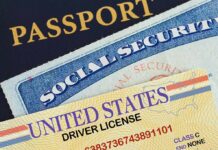
White House documents released in July 2026 detail large-scale collection of American voter data by entities linked to the People’s Republic of China. One declassified record describes a single 45-gigabyte file, dated 2016, that listed 204,822,241 voter records, including names, ages, phone numbers, and addresses. The documents frame the activity as part of a years-long effort to gather, buy, and analyze U.S. voter information. The disclosure has triggered urgent questions about data security across states and vendors.
President Donald Trump said the newly declassified material shows China acquired about 220 million voter files during the 2020 election cycle. He called it “the largest compromise of election data in history” and ordered agencies to investigate the exposure and related vulnerabilities. News outlets and social posts amplified the number as the central claim. The White House transparency push has increased pressure on state officials to explain what was accessed and how systems will be secured before the next election.
What We Know About Impact on Votes and Tallies
Federal reviews after the 2020 election reported no evidence that any foreign government changed votes, blocked voting, or altered the count. A joint statement and related documents from the Department of Justice and the Cybersecurity and Infrastructure Security Agency said no foreign actor compromised the technical process of voting or tabulation. That finding holds even if foreign groups collected voter data. The distinction matters: stolen personal data can be harmful, yet it is different from hacked vote totals.
Independent researchers and legal analysts have long drawn a line between data exposure and direct election interference. Public reports describe regular foreign influence efforts, including propaganda and targeted messaging, but not successful manipulation of ballots or machines in 2020. The declassified files now raise a separate practical concern. They suggest adversaries may hold detailed voter profiles that can power microtargeted outreach, scams, or coercion. Those threats can chill trust even without changing a single vote.
Why Voter Data Is Valuable—and Vulnerable
States collect voter names, addresses, and other details to run elections. Some of that information is public by law, and some is restricted. Data brokers and campaigns also compile profiles from many sources. Foreign actors can buy, scrape, or steal these lists, then enrich them with breach data and social media. When combined, the files can map communities, beliefs, and likely behavior. That map can guide influence campaigns, phishing, identity theft, or doxing aimed at officials and voters.
Rhode Island is on this list.
The White House Government Transparency Task Force just released the first declassified U.S. Intelligence Community records under President Trump's direction.
The findings are alarming.
Voter registration rolls from at least 18 states were… pic.twitter.com/KYGTYczgsk
— Vic Mellor For Congress RI (@VicMellorForRI) July 17, 2026
The 2016 dataset and the 220 million figure, if both accurate, point to long-running exposure at national scale. The size hints at a mix of legal acquisition and illegal theft. That blend is hard to trace and easier to repeat. It also blurs lines of blame between governments, vendors, parties, and platforms. Voters see systems that share or lose their data, while few leaders are held to account. That fuels a common anger: the system protects insiders, not citizens.
What Reforms Are Now on the Table
State lawmakers can reduce risk without federal gridlock. Stronger rules can limit resale of voter data, mask sensitive fields, and tighten who can access full files. Contracts with election vendors can require breach reporting, audits, and clear security baselines. Federal grants can fund data hygiene, multi-factor access, and staff training. Public dashboards can show when data is shared, with whom, and why. These steps target exposure while preserving transparent elections.
National leaders can also separate two debates. First, secure voter data against foreign use. Second, keep verifying that votes and counts remain sound. Clear, regular audits and paper trails build trust. Straight talk about what happened—and what did not—reduces rumor spread. Declassifications should include context, methods, and limits to avoid confusion. People deserve proof and plain language, not spin. That is how a government earns back confidence across party lines.
Open Questions the Documents Do Not Settle
The files leave key gaps. They do not show exactly which state systems or vendors were breached, how networks were entered, or how long access lasted. They also do not detail whether the same actors still hold updated data. Agencies say votes were not changed, but have not mapped every path data took from states to outside hands. Until investigators fill those holes and publish specifics, the public will keep asking if leaders are hiding failures or fixing them.
Sources:
redstate.com, facebook.com, govinfo.gov