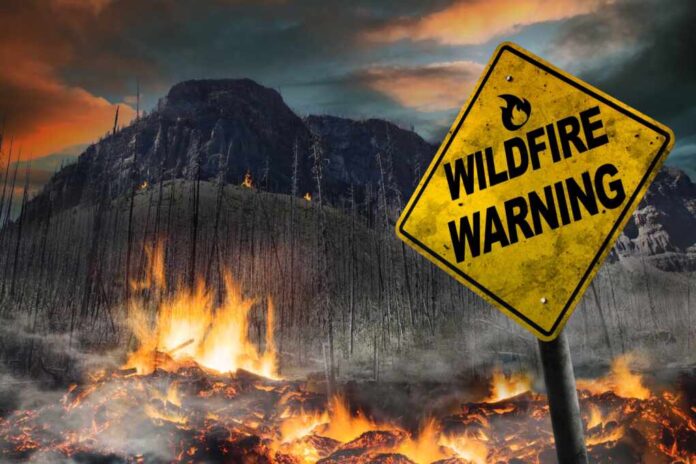
A rapidly spreading wildfire crisis across an entire province of Canada has led officials to declare a state of emergency, as simultaneous blazes in every region force mass evacuations and disrupt daily life.
At a Glance
- Thousands of residents displaced as fires erupt across every region of Manitoba.
- More than 120 active wildfires reported during the current season.
- Evacuations described by officials as the largest in provincial history.
- Authorities mobilizing emergency personnel and resources across remote and urban zones.
- Disaster declaration in effect to unlock state-level support and aid.
Provincial Firestorm Unfolds
A sweeping wildfire emergency was declared today after a province-wide outbreak ignited over 120 active fires and scorched vast swaths of land. Officials report that “fires are burning in every region” of the area, marking what is being called the largest evacuation in provincial memory. The unprecedented scale has prompted the government to declare an official state of emergency, unlocking critical emergency powers and mobilizing resources to affected communities.
Local authorities emphasize the widespread nature of the crisis, noting that multiple fires ignited nearly simultaneously across rural, suburban, and dense forest zones. In many areas, residents were ordered to evacuate within hours, with some communities abandoning homes and livestock amid rising smoke and heat.
Watch now: Manitoba Declares State of Emergency Over Wildfires — Again · YouTube
Mobilizing to Respond
Under the new emergency declaration, provincial authorities are deploying firefighting units, water-bombing aircraft, and military support to battle the infernos. An interagency task force has been activated to coordinate evacuation, shelter, and logistics operations. Firefighters face intense heat, unpredictable wind shifts, and difficult terrain, complicating containment efforts across the fire perimeter.
Emergency shelters have been established in safer zones, with aid organizations working tirelessly to provide food, water, medical care, and temporary housing. Authorities anticipate a prolonged crisis, with fire risk expected to remain high as drought and heatwave conditions persist.
Underlying Causes and Broader Context
Experts warn that extreme dry weather and record-breaking heatwaves have created tinderbox conditions across numerous fire-prone regions globally. In parts of southern Europe and Turkey, wildfires fueled by soaring temperatures above 45 °C have killed dozens and displaced thousands this summer, underscoring the growing climate-driven fire threat.
In contrast, other regions including Utah and New York have also declared emergency statuses due to similarly intensified wildfire seasons—each reflecting a trend toward more frequent and expansive fire events earlier in the year.
The current provincial crisis is emblematic of a broader, climate‑linked escalation in wildfire risk, where conditions that once occurred seasonally now persist and expand across multiple regions simultaneously.
What’s Next
Authorities warn that containment may take weeks and anticipate additional evacuations should winds shift or firebreaks fail. Emergency declarations remain in effect for the duration of the crisis, allowing access to federal funds, military aerial assets, and rapid deployment of personnel.
Residents are urged to stay informed via official channels, avoid fire zones, and prepare for potential power disruptions and poor air quality. Local governments continue enforcing travel restrictions and curfews in high-risk areas to maintain public safety.
The province now faces a long haul toward stabilization and recovery—one driven by climate pressures and a fire season with unprecedented scale.